Understandin' & dodgin' food risks
Welcome to the third post in our homesteadin’ and food growin’ series. Today we’re divin’ headfirst inter somethin’ every homesteader who messes with vittles needs to know. ‘Cept whether yer runnin’ a farm-stand, fixin’ supper in yer kitchen or sellin’ at the market. We’re talkin’ food safety and risk wranglin’. Figurin’ out and tacklin’ them dangers that could mess up what we eat ain’t just ’bout followin’ the law, it’s ’bout keepin’ yourself and yer kin healthy as a horse.
What is HACCP - An' why care?
HACCP ya know, hazard analysis and critical control points is this big ol’ worldwide system for makin’ sure the food ya grow or cook is safe to eat up. It means spottin’ them sneaky hazards in your food makin’ process and settin’ up checkpoints ta squash ’em flat, or keep ’em away. Any outfit sellin’, makin’ or haulin’ food’s gotta have it by law as part o’ their safety setup.
But hold your horses, this ain’t just for fancy factories. If your dreamin’ o’ peddlin’ yer homegrown goods like fresh baked bread, jam from your orchard, or cheese from your goats,. You need to get HACCP basics down pat. Here in Sweden, the livsmedelsverket’s is your go to for advice and rules, they’re right helpful answerin’ questions, too.
The four main food risks lurkin' out there
There’s four big types o’ risks that can sneak in to your food and cause a ruckus.
Microbiological nasties: Bacteria, yeasts, molds and viruses – like salmonella or listeria sneakin’ in.
Physical troublemakers: Foreign bits like glass shards, metal scraps or plastic chunks.
Chemical critters: Leftover cleaner, pesticides or weed killers.
Allergens: Stuff that sets off allergies in sensitive folks, such as nuts, gluten or lactose.
How to whip these risks inter shape
Keepin’ your food safe means preventin’ trouble upfront and jumpin’ on it quick if it shows. Here’s some key ways ta wrangle ’em.
Wash yer hands real good ‘fore handlin’ food, and wear clean duds.
Watch them temps. Keep perishables at 5°C, 41 F or less ta slow bacteria partyin’.
Scrub and disinfect work surfaces with the right stuff.
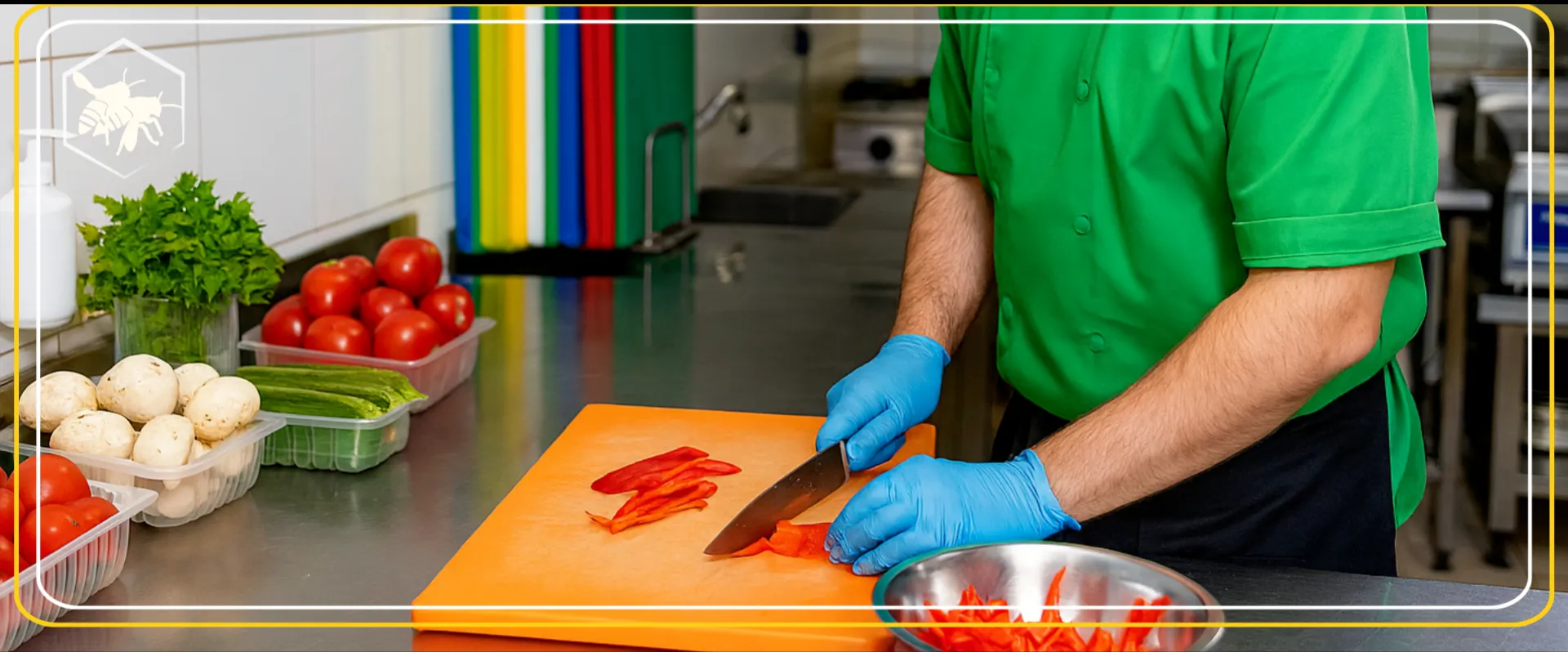
Keep raw stuff separate from ready to eat – no cross-contaminatin.’
Share Your Food Safety Tips!
Are all them bugs bad news?
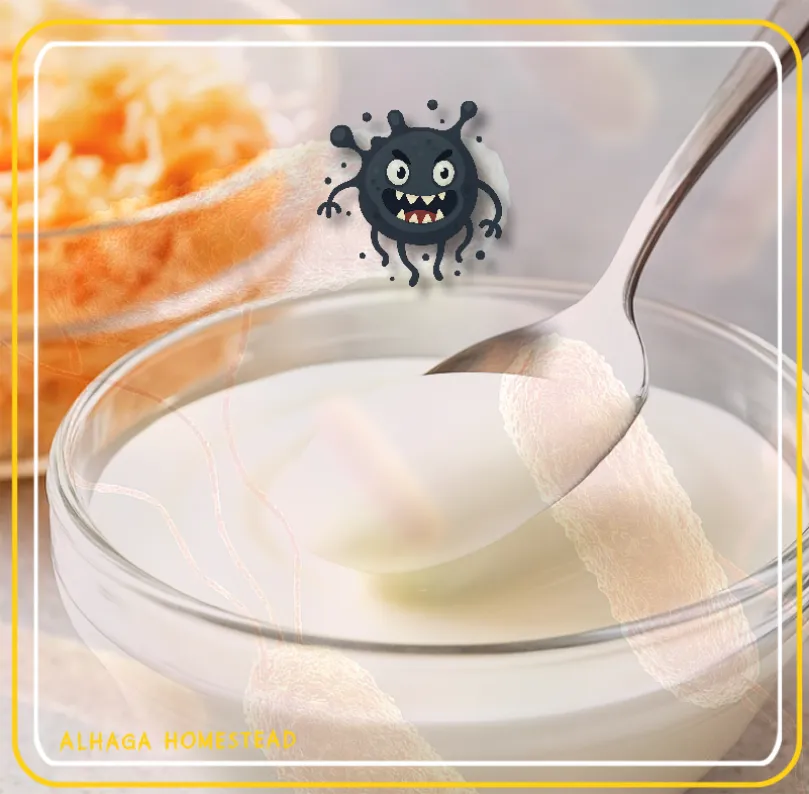
Naw, not by a long shot. Plenty o’ microbes are harmless or even good for us. Like them lactic acid bacteria makin’ yogurt, sauerkraut and other fermented goodies. But them pathogenic ones? They can give ya food poisonin’ even if the food looks and tastes fine as frog hair. That’s why ya stick to safety routines every dang time.
Here’s a wild fact: Bacteria can multiply like nobody’s business in the right setup. At room temp, one lil’ bug can split every 10-20 minutes. Imagine leavin’ a dish out fer two hours in summer heat, could turn inter a real health hazard quicker’n a coonhound on a scent.
A lesson from Emil o' Lönneberga (our Swedish little rascal)
A charming example of the importance of food safety can be found in the Swedish story of Emil in Lönneberga. When his mama Alma told him ta toss out them fermented cherries from the wine makin’, Emil sat there with his pig knuckled hand an’ reckoned it’d be a cryin’ shame ta waste such fine berries. An’ we all know how that kerfuffle ended up. Didn’t spell no big disaster, but it sure drives home how ya gotta stay sharp with what ya do with yer vittles.
Gettin’ the basics o’ food safety down is like investin’ in your health and your whole self-sufficiency setup. Stick ta simple, solid routines and you can cut them risks way down. Makin’ goods ya an’ yer customers can chow down on with a clear conscience.
Food allergies is a big deal for anybody handlin’ eats, ‘specially us homesteaders chasin’ that self-reliant life. Happens when your body’s defenses mistake somethin’ harmless for a threat and go full hog on it. Common culprits? Nuts, seeds, milk stuff, shellfish, fish, dyes and flavor boosters. But we got wiggle room ta tweak recipes and dodge them reactions creative like.
Common questions about food allergies and risks
Explore answers to frequently asked questions about managing food allergies and ensuring food safety on your homestead.
What are the signs of a food allergy reaction?
Common signs include nausea, diarrhea, skin rashes, stomach cramps, tingling in the mouth, swelling of the throat, difficulty breathing and in severe cases, anaphylactic shock.
How can I prevent cross-contamination in my kitchen?
Use separate cutting boards and utensils for raw and cooked foods, wash hands thoroughly and store allergens in clearly labeled containers away from other foods.
What steps should I take if someone has an allergic reaction?
Immediately call for emergency medical help, administer an epinephrine auto-injector if available, and keep the person calm and comfortable until help arrives.
How do I ensure my food is free from contaminants?
Maintain high hygiene standards, cook food to appropriate temperatures, and regularly clean all kitchen surfaces and equipment.
What are some safe food preservation methods?
Effective methods include canning, drying, pickling, freezing and vacuum sealing, which help prevent spoilage and maintain food quality.
Why is it important to label food storage containers?
Labeling helps prevent accidental exposure to allergens, ensures proper food rotation, and aids in identifying the contents and expiration dates.

Key practices for allergy prevention
Inquire about allergies
Always ask guests about their allergies before serving food to prevent any adverse reactions.
Meticulous Recipe Inspection
Carefully check recipes to ensure no hidden allergens are present, protecting everyone from unexpected reactions.
Thorough Cleaning Protocols
Wash hands and sanitize surfaces after handling allergens to avoid cross-contamination and ensure safety.
Swap outs for the allergy crowd
As homesteaders, we love experimentin’ with what grows in our dirt. Here’s some handy swaps:
Duck eggs ‘stead o’ chicken eggs: Prime pick fer folks touchy ’bout hen eggs.
Kefir over raw cow milk: That fermented drink goes down easier on the gut.
Goat milk in place o’ cow: Gentler on the tummy, great fer lactose troubled souls.
Mind ya, everybody’s wired different – what works for one might rile another, even natural bee goodies like propolis can spark skin fuss in some.
Signs your hittin' an allergy wall
Knowin’ the warnin’ signs o’ a reaction’s key to headin’ off trouble. Watch fer these:
Nausea hittin’ hard
The runs (diarrhea)
Skin rashes poppin’ up
Belly cramps twistin’ ya
Tinglin’ in lips, tongue or mouth
Swellin’ in throat or gob
Breathin’ woes or talkin’ trouble
Anaphylactic shock (that’s life-threatenin’, call help fast!)
Dodgin' allergy blowups
To keep reactions at bay, ya oughta:
Always holler and ask ’bout allergies ‘fore servin’ up.
Scrutinize yer recipe, no sneaky triggers slippin’ in.
Wash hands good after messin’ with allergens.
Keep ’em separated from other foods.
Stash in clear labeled jars or bins o’ their own.
Scrub counters and tools thorough like after.
Even a smidgen o’ allergen can kick up a storm, so bein’ picky as a hen pickin’ corn is yer best bet.
Recognizing allergy symptoms
Understanding the signs of an allergic reaction is crucial for immediate intervention. Symptoms can range from mild, like skin rashes and nausea, to severe, such as difficulty breathing and anaphylactic shock. Early recognition can prevent escalation and ensure timely medical assistance.
Being aware of these symptoms allows for quick action, potentially saving lives. It’s essential to educate yourself and others about these warning signs to foster a safer environment for everyone, especially in settings where food is shared.
Food safety in the real dirt
Besides allergies, there’s a heap o’ other food safety angles worth yer mind. Here’s spots where you can step up and shield yourself and your folks. Bugs can spark food poisonin’ if they spread or boom to bad levels. Basic hygiene fixes ’em good:
Block contaminatin’ them touchy foods.
Keep raw meat from mixin’ with cooked stuff.
Cook it through to kill off bad actors.
Whip out preservin’ chemicals when you need ’em.
Dodgin' cross contaminatin'
To cut cross risks low:
Treat raw meat and poultry like it’s crawlin’ with germs.
Use separate boards and tools for raw and ready eats.
If you can, stash raw goods in their own fridge from the cooked.
Gear's part in keepin' it safe
Clean tools and surfaces is make or break, so here’s solid pointers:
Stick to top notch cleanin’ standards on all equipment.
Grab different knives and boards for meat, veggies an’ such.
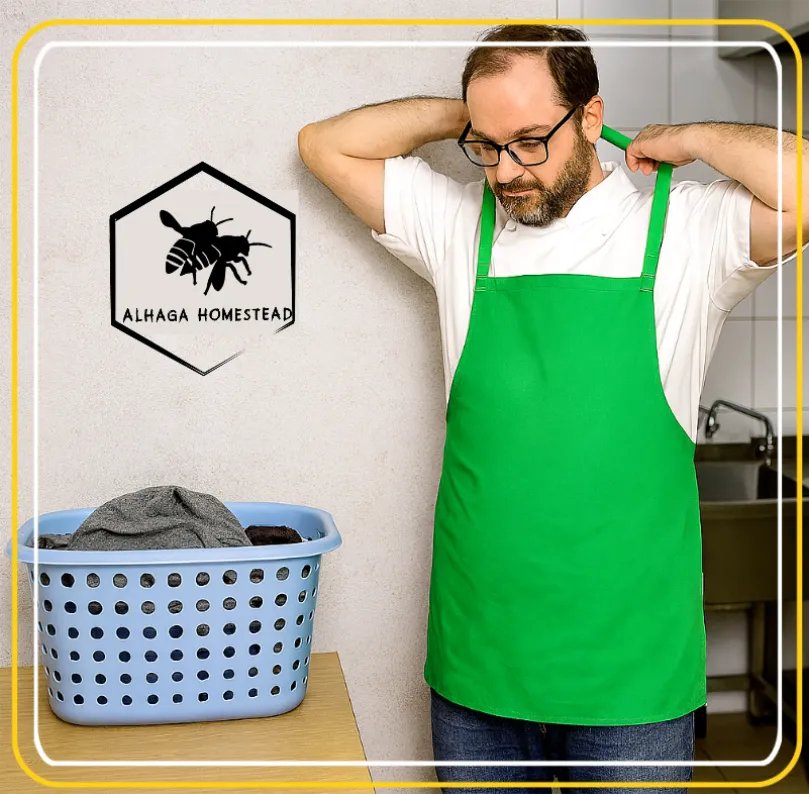
Work in fresh clothes, maybe color coded duds for tasks.
Keep hot food hot an’ cold stuff cold all the way.
Preservin' - Homesteaders' best pal
Canning makes it tough for bacteria to thrive, that’s why us self-sufficers love it. Tried an’ true ways:
Dryin’ it out
Picklin’ in brine
Honey or sugar as keepers
Smokin’ over a fire
Saltin’ heavy
Freezin’ solid
Vacuum sealin’ tight
These tricks don’t just save your harvest, they brew up one of a kind flavors that’ll have y’all comin’ back for more.
Chem and physical sneaky contaminants
‘Side them microbe menaces, keep an eye peeled for chemical and physical nasties too.
Chemical contaminatin’: Comes from pesticides, cleanin’ chems or even grease. Symptoms act a lot like bacteria woes ya don’t wanna mess with ’em.
Physical contaminatin’: Bits like glass shards, dirt, paper or plastic. Out on country farms like ours, ya got extras to watch – insects, flies, mice, dust or bone chips from meat.

Final holler from my porch
Hot diggity, y’all’ve moseyed through more’n half this blog series now… But this is just the trailhead on your self-sufficiency adventure. Why not jump in as a guest writer. Got any clever cleanin’ tricks or safety hacks for keepin’ vittles pure? I’d love hearin’ from you.
Here at Alhaga, I always welcome fresh tales, questions and tips. Homesteading ain’t just growin’ food. It’s buildin’ community, sharin’ know how, and craftin’ a sustainable tomorrow together.
Thanks for ridin’ along this far in today’s post about food risk. Tomorrow we pick up with good handlin’ practices.
Fredrik.