
Why good handlin’ really matters
Embrace a New Perspective
Join Alhagas community
Connect with like-minded individuals and start your journey towards personal growth today by leave your comment below.
Growin’ yer own food and livin’ off the land sure is a mighty fine journey toward self-reliance and sustainability. But let me tell ya, that’s just half the job. If you truly wanna make the most of your harvest and make sure it’s safe to eat, you gotta stick to good handlin’ practices from the moment ya pick it till it lands on yer supper plate.
In this post, the next to last one in this series we’re fixin’ to dig deeper into why these practices matter. And how you can get ’em rollin’ smooth on your own homestead.
Hygiene & contamination control
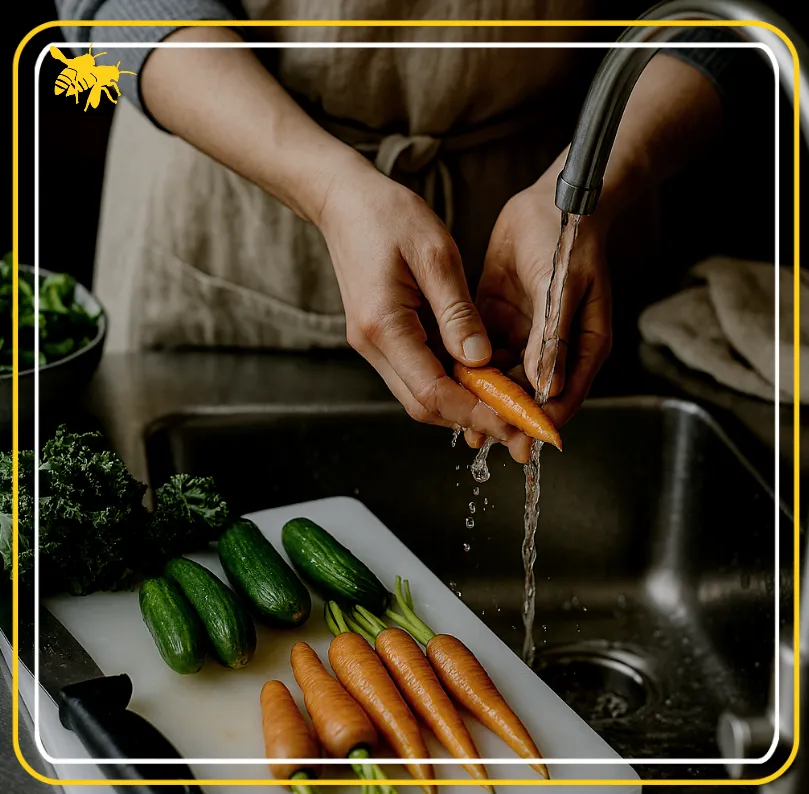
Now, the cornerstone of good handlin’ is keepin’ things clean – real clean. That means makin’ sure yer hands, yer tools and them work surfaces stay spotless from start to finish. From when ya pull them carrots up till ya plate yer meal, every step needs a good dose of care.
Here’s a few key things to keep in mind:
Wash your hands good before handlin’ any food.
Use clean tools and containers for harvestin’ and storin’.
Don’t go mixin’ ingredients that might contaminate each other. Like raw meat and fresh picked veggies.
The key to keepin’ things fresh
Store your homegrown veggies right, and ya’ll be amazed how long they’ll stay fresh and crisp. Here’s some of the best ways to keep different crops lastin’ longer.
Cold storage
For root crops and hardier veggies, cold storage is the real deal.
Keep carrots, beets, and parsnips in boxes filled with damp sand or sawdust.
Potatoes, winter squash, and onions love a cool basement or root cellar sittin’ somewhere between 32°F and 39°F (that’s around 0°C–4°C for ya metric folks).
High humidity – ’bout 90–95% – helps keep things from dryin’ out.
Make sure you got good airflow to stop mold from creepin’ in.
Fridge storage
When ya ain’t keepin’ it too long, the fridge works just fine.
Toss leafy greens in airtight containers or bags with a tiny splash of water.
Cut the tops off root veggies before tossin’ ’em in the fridge.
Cabbage’ll stay fresh for up to five months if you treat her gentle.
Freezin’ for the long haul
Freezin’s a mighty fine way to stretch that harvest all through the winter.
Blanch your veggies right after harvest to lock in flavor and nutrients.
Use reusable silicone bags for freezin’ whole tomatoes or other produce.
Most homegrown veggies’ll keep up to a year in the freezer if you handle ’em proper.
Visual Inspirations for Mindful Living
Lockin’ in that harvest
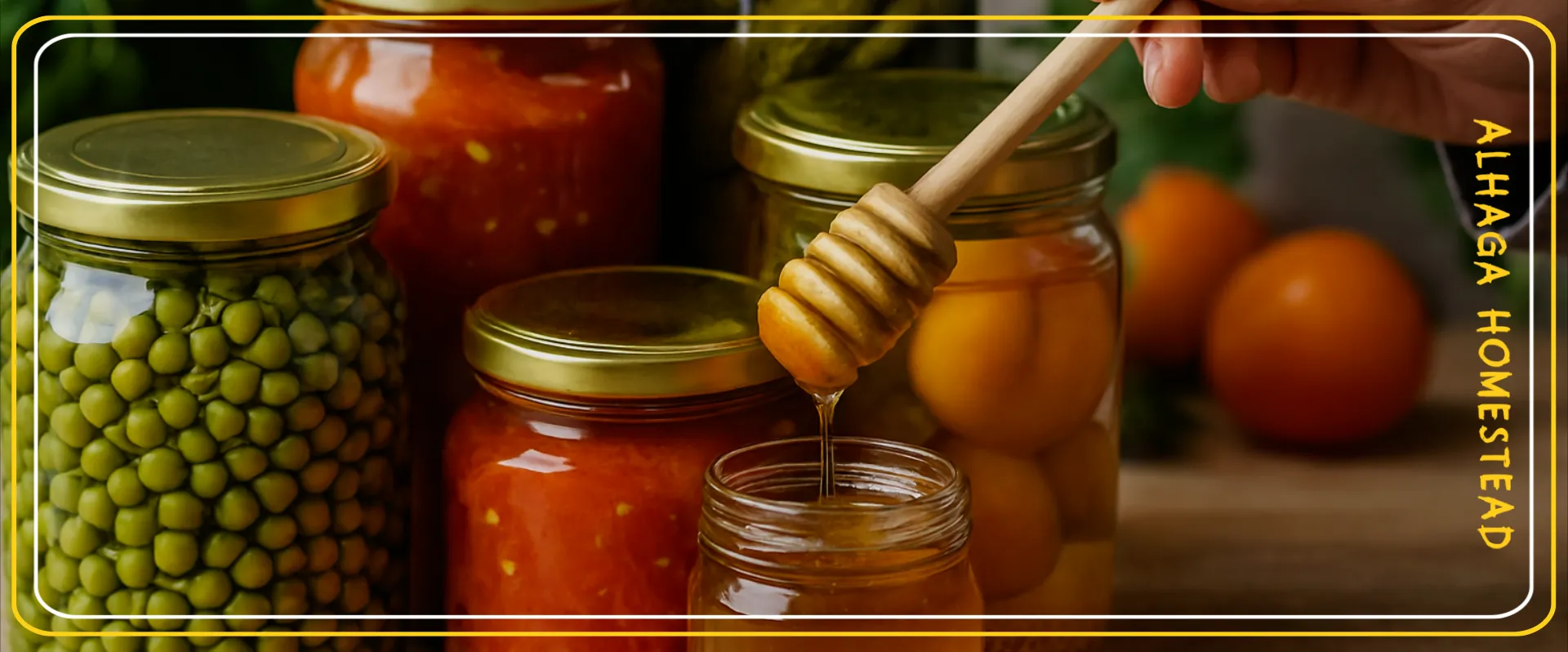
For veggies with a whole lotta water in ’em – like summer carrots, eggplant, kale, broccoli, spinach and apples. Cannin’ can be a real fine option, ya know. Just make sure you follow proper canning procedures so the food stays safe, and always use sterilized jars and clean gear all the way through. Last but not least, double check that them lids are sealed up good and tight before ya stash ’em away.
Thinkin’ outside the cellar
If you don’t have one of them old school root cellars or fancy storage rooms, don’t fret. There’s plenty of clever ways to keep yer harvest. Ya can use old wooden crates or pallets lined with straw, hay or sawdust to help with insulation and moisture control. Store garlic and onions in mesh bags or braided bunches in a cool, dry, dark spot where the air can move around ’em a bit.
If you don’t have a basement, you can set up an above ground “cold room.” Kinda like a walk in cooler, and there’s actually several ready made cooler rooms on the market these days that’ll do the trick.
Cookin’ and handlin’ it right in the kitchen
When it’s finally time to cook, it’s real important to stick to good habits. Wash them veggies well before usin’ ’em, and cook your food to proper temperatures so any sneaky bacteria don’t stand a chance. Don’t forget to cool leftovers down quick after supper so they don’t sit around in that “danger zone” where bacteria love to grow.
Spreadin’ the goodness
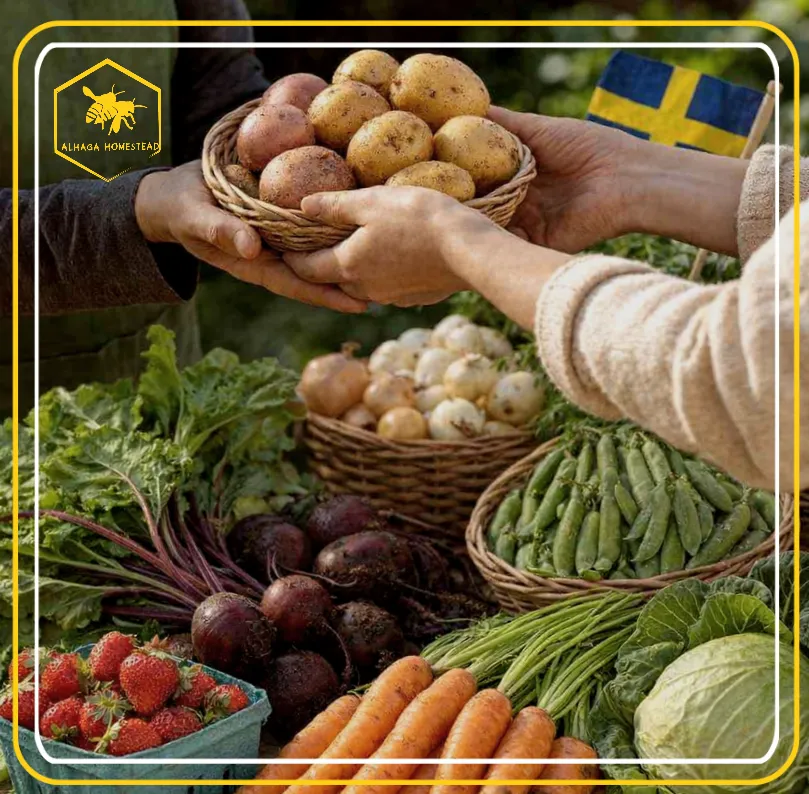
If you grow more than you and your family can eat, why not share that bounty? Sellin’ at markets, farm-stand or passin’ jars and veggies to friends and kin not only spreads a whole lotta joy, it also helps keep good food from goin’ to waste. Just remember to keep the same hygiene standards when you’re handlin’ food for others as ya do for yer own table – clean hands, clean jars and proper storage all the way.
Takin’ good care of your harvest ain’t just about the practical side of things. It’s also a way of honorin’ all the sweat and heart you’ve poured into yer garden. When ya follow these simple guidelines. You can enjoy your homegrown veggies longer, cut down on food waste and share that homestead happiness with others. So next time your sittin’ there with your hands in the dirt, remember that every little step counts along the way.
Quality and safety first
If you grow more than you and your family can eat, why not share that bounty? Sellin’ at markets, farm-stand or passin’ jars and veggies to friends and kin not only spreads a whole lotta joy, it also helps keep good food from goin’ to waste. Just remember to keep the same hygiene standards when you’re handlin’ food for others as ya do for yer own table – clean hands, clean jars and proper storage all the way.
Takin’ good care of your harvest ain’t just about the practical side of things. It’s also a way of honorin’ all the sweat and heart you’ve poured into yer garden. When ya follow these simple guidelines. You can enjoy your homegrown veggies longer, cut down on food waste and share that homestead happiness with others. So next time your sittin’ there with your hands in the dirt, remember that every little step counts along the way.
Temperature check
Frozen goods oughta be sittin’ at -18°C (0°F) or colder. If they creep up past -12°C (-10°F), it’s better not to sell ’em or give ’em away.
Chilled foods should stay between 1°C–4°C (34°F–39°F). If they’ve been sittin’ above 8°C (46°F), they’re no longer safe to eat.
Visual inspection
Make sure there ain’t any signs of pests, damage, mold, or other funny business on yer products. If anything looks contaminated, toss it out or send it to the compost pile right away.
Labelin,’ shelf Life & keepin’ folks informed
Labelin’ your products properly ain’t just a nice touch, it’s a big part of keepin’ food safe for everybody who eats it. Clear labels and realistic shelf life dates help folks handle and store the food right once it leaves your homestead, and that keeps both their bellies happy and yer reputation solid.
Here’s some general guidelines on shelf life for common homestead goods, so ya know what to expect when ya store ’em right.
Fresh meat (beef, lamb, pork: 3–5 days in the fridge, up to 4–12 months in the freezer.
Chicken, turkey and duck (whole or parts): 1–2 days in the fridge, up to 1 year frozen.
Rabbit: 1–2 days fridge, 3–4 months freezer.
Ground meat: 1–2 days fridge, 3–4 months freezer.
Cooked meat: 3–4 days fridge, 2–3 months freezer.
Veggies: Generally 3–5 days fridge (leafy greens might go quicker if they store bought.)
Dried beans: Up to 12 months.
Grains, rice, oats: Up to 30 years if stored right.
Canned goods: Low acid stuff holds 2–5 years, high acid ones 12–18 months.
Acid talk - low vs. high - what’s the diff..?
The big difference ’tween low acid and high acid foods comes down to their pH level and natural acid content, ya see.
Low acid foods:
pH higher than 4.6.
Less natural acids.
Examples: Meat, fish, veggies, dairy.
High acid foods:
pH under 4.6.
More natural acids.
Examples: Citrus fruits, vinegar, fermented stuff.
This split changes how long they last and the canning methods you need. High acid foods are safer from bacteria growth and don’t need as heavy processin’ as low acid ones, which gotta be pressure canned to kill off tough spores.
Dried goods the long haulers
Fruits and veggies: Up to 25 years if ya store ’em proper.
Dried grains and beans: Up to 30 years.
Fermented foods
Sauerkraut and kimchi: Several months to over a year in the fridge or cool spot.
Frozen foods, winter’s best friend
Meat and poultry: Up to 8–12 months (might last longer, but quality drops after).
Veggies: Up to 8–12 months.
Keepin’ quality high
Right storage is key to keepin’ your products fresh and top notch. Here’s some handy tips to make it happen.
Your dry storage spots oughta be cool, dry, well ventilated and spick and span clean.
Don’t set food straight on the floor or touchin’ walls, use shelves raised up off the ground. Never store food on the floor, ya hear…
Keep it all in airtight containers to fend off moisture and pests.
Check regular like for signs of bugs or mold.
If you can, use separate fridges. One for raw stuff, one for cooked.
Keep temps between 1°C–4°C (34°F–39°F). Check and log ’em often.
Don’t shove hot food right into the fridge, let it cool first.
Don’t overpack it, so air can circulate free.
Freezer oughta run at -18°C (0°F) or colder.
Label every frozen item clear with what’s inside and the date.
Don’t overload the freezer, airflow matters there too.
Remember, freezin’ don’t kill bacteria. It just stops ’em from multiplyin.’
Delivery, the final stretch
When you deliver to customers or hand off to friends and family, make sure it travels under the right conditions.
Use insulated boxes or coolers for chilled or frozen goods.
Tell the receiver how to store it proper.
Always make sure it looks mighty invitin.’ Presentation counts, ya know.
Sharin’ yer homestead surplus ain’t just about cuttin’ waste, it’s about spreadin’ joy and good eatin’ to your community. Follow these guidelines, and ya can rest easy knowin’ yer folks get high quality goods your proud of.
Remember: Careful work, cleanliness and a lovin’ touch are the keys to success on yer self-sufficiency journey.
Checkin’ cans & bottles
Makin’ sure your canned and bottled goods are safe and sound is a big part of homestead life. Stick to the right routines, and ya avoid contamination while stretchin’ shelf life. Here’s practical tips for checkin’, storin’, and handlin’.
I personally like storin’ my smaller cans upside down. Sounds odd, but it makes leaks real easy to spot, a sure sign somethin’s wrong. Worried ’bout mess? Just set ’em on a tray. This trick helps ya catch problems quick and fix ’em fast. How ’bout you, how do you do it? Drop a comment below.
Inspect lids on bottles and jars to make sure they’re sealed good and proper.
Look for dents, rust or damage on lids or jars. These can mean contamination risk.
If a seal ain’t solid, toss that product out.
Stock rotation – First in, first out
It’s mighty important to use up older stock before addin’ new, so slide them older products to the front of the shelves. Label everything clear with production date and use by date. Check regular like to make sure they’re still in good shape.
Thawin’ frozen goods safe
When ya thaw frozen food, stick to these rules.
Put it in a cool spot, away from sensitive stuff like fresh veggies or cooked eats.
Once thawed, chill it and cook within 24 hours.
Big rule: Never refreeze thawed food..! That sets up a perfect spot for bacteria to boom.
Stay outta the danger zone
Did you know ’bout 80% of food poisonin’ cases come from poor temp control? Keep cold food cold (under 5°C/41°F) and hot food hot (over 63°C/145°F). Dodge that danger zone from 5°C–60°C (41°F–140°F) where bacteria party hard – best ya can. Even if these tips lean toward restaurants, it’s smart know how for any home cookin’ scale.
To wipe out bacteria, cook thorough.
Food needs at least 70°C (158°F) for two minutes in the thickest part.
Some spores and toxins need even hotter, so make sure it’s fully done before servin.’
Keep it at least 63°C (145°F) when servin.’ Gear for holdin’ hot should stay over 65°C (149°F).
Keep cold eats chilled till showtime. Store in the fridge as close to servin’ as ya can, handle light, and keep away from other foods to avoid cross contaminatin.’
If ya ain’t servin’ right after cookin,’ cool it fast.
Break into smaller batches for quicker chill.
Use cold containers dunked in ice water.
Get it down to 8°C (46°F) within 60 minutes after cookin.’
Reheat in’ cooked food
Reheatin’ – specially meat and poultry – is a top cause of food poisonin.’ Always heat proper, don’t just warm it up. If not hot enough, bacteria wake up.So hit at least 70°C (158°F) core temp before servin.’
Guidelines for reheat in’ cooked eats
Handlin’ reheated food right keeps taste and safety intact. Here’s the keys:
Don’t pull it outta the fridge too early, keep it cold till reheat time.
Minimize handlin’ to cut contamination risk.
Split into small portions for even, quick heatin.’
Heat core to at least 70°C (158°F).
Serve right away.
Reheat only once, multiple times ups bacteria risk big time.
What some of Alhagas readers say
Thanks Fredrik, this blog serie have provided insights that transformed my understanding of the topic. Highly recommended.
“A must-read for anyone looking to deepen their knowledge. The clarity and depth are unmatched.”
Incredibly informative and engaging. I learned so much and can’t wait to read more!


Join Alhagas green little family
That wraps up today’s post on basic food safety from a homesteader’s view. But don’t ya fret none. Tomorrow’s final wrap-up dives into keepin’ yer workspace clean and shares more priceless lessons that’ll give yer self-sufficiency journey a real boost.
Don’t forget to share yer stories in the comments below. This is yer shot to swap ideas with like minded souls. Brag on them green victories (it’s allowed, I promise…) Ask them questions that keep ya up at night. And if you see one you can answer, jump right in. In our community, we grow together – just like our crops do.
So let’s keep growin,’ learnin’ and inspirin’ each other. See you tomorrow for the last, meaty part of this homesteading adventure.
Final thoughts
Learn in’ ’bout food safety is, I’d say, a cornerstone of becomin’ a successful homesteader. Follow these guidelines, and ya not only shield yerself and yer family from foodborne woes, but ya maximize the shelf life and quality of yer homegrown eats.
Remember, self-sufficiency ain’t just ’bout growin’ food. It’s craftin’ a sustainable, healthy way of life. By sharin’ know how and stories, we ain’t just buildin’ stronger gardens. We’re buildin’ a tighter knit community.
So dear reader, what’d ya learn today that yer excited to try on yer own homestead? Got any personal tips for safe food handlin’ ya wanna pass along? Let us hear yer thoughts in the comments below.
See ya tomorrow for our last bit on keepin’ the workspace clean – a must for yer garden as much as yer kitchen. Till then, keep plantin,’ learnin’ and inspirin.’
P.S. As an Amazon Associate, I earn a small commission from qualifying purchases at no extra cost to you. Every purchase means a lot and helps me keep sharing inspiration, experience, and knowledge about homesteading and self-sufficiency. Thank you so much for your support!