
From the autumn garden to the pantry
There's something special about autumn
At Alhaga homestead, the harvest finds a new life in glass jars, where ingredient like vegetables, salt and patience make room for deeper flavours.
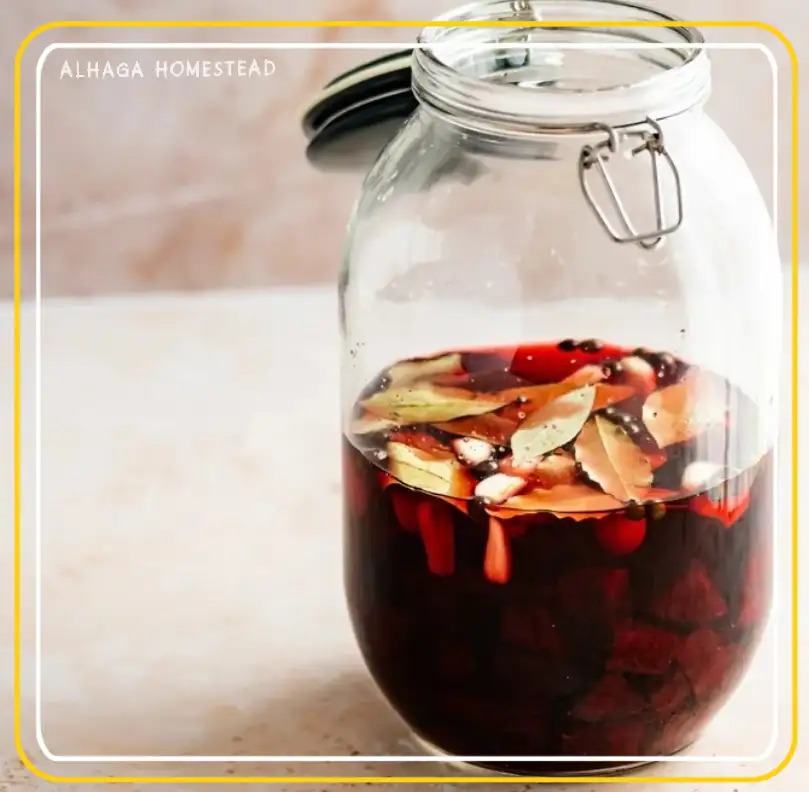
Outside the kitchen window, the wind begins to carry a little more weight, and the mornings grow cooler by the day. A few stubbornly green plants are still hanging on out in the garden, but the big harvests are slowly making their way indoors. Baskets filled with cabbage, carrots and onions are waiting for their turn.
The season turns at Alhaga
That's usually when I bring out the glass jars
Before long, they’ll be lined up in the pantry, quietly doing what they’ve done for generations. No fancy equipment, no electricity. Just vegetables, salt and time.
Fermentation is one of humanity’s oldest ways of preserving a harvest. Long before freezers and refrigerators came along, people learned how to work with nature’s own lactic acid bacteria to transform and preserve food. From Korean kimchi and Japanese miso to Nordic sauerkraut and cultured milk products, generation after generation has relied on the very same principle.
And I reckon that’s one reason I enjoy fermentation so much here at Alhaga homestead as it serves as a gentle reminder that nature doesn’t always need to be hurried along.
Why I keep coming back to fermentation
There are plenty of reasons fermented foods have become popular again, but for me it mostly comes down to four things.
Make the most of the harvest
When the garden gives us more than we can eat fresh, a jar helps carry those vegetables into the colder months.
Let the flavors grow
Give carrots or cabbage a few weeks, and they develop tangy, lively notes all their own.
Add variety to the table
Fermented vegetables bring new flavors to a varied diet, along with naturally occurring lactic acid bacteria.
Keep it simple
Most batches begin with vegetables, water, salt and patience. No fancy equipment or electricity needed.

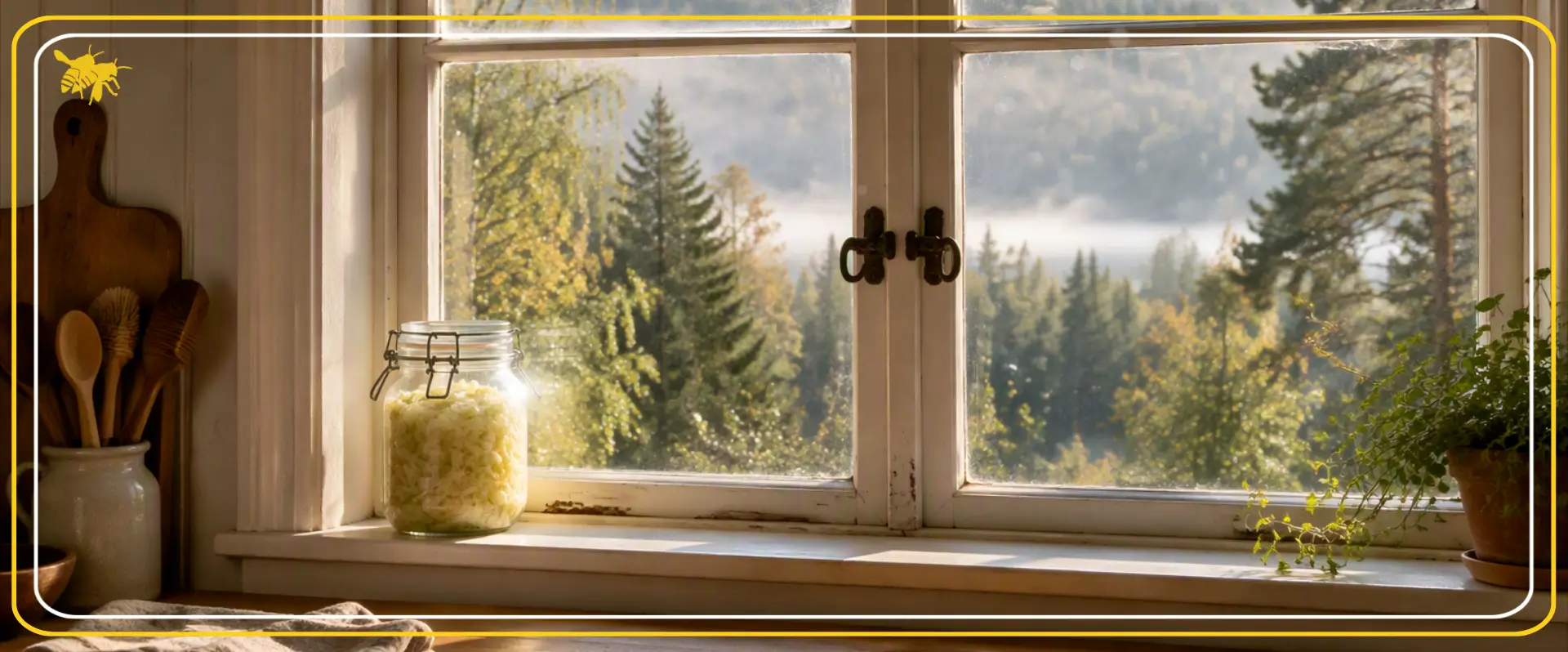
A few favorites from the pantry
- Fermented carrots from the autumn harvest
- Carrot sticks with a gentle tang
- Shredded carrots tucked into a small jar
- Garden carrots saved for colder days
- Crunchy carrots to serve alongside a meal
- A simple carrot batch for beginners
- Mildly fermented red onions
- Thin onion slices with a little tang
- Red onions to brighten a winter plate
- A small jar made from the onion harvest
- Softly sour onions for everyday meals
- Another way to enjoy the season’s onions
- Mixed vegetables from the garden
- Cabbage and carrots from the late harvest
- Whatever seasonal vegetables are ready
- A jar that changes with each growing season
- Garden odds and ends put to good use
- A little memory of this year’s harvest
“Fermentation asks me to slow down and listen to nature. In a modern kitchen, a jar of vegetables and a little patience keep an old tradition alive.”

karolina
If you're just getting started
Start simple.
Make a small batch of sauerkraut or a jar of fermented carrots. Pick a recipe that’s been tested by plenty of folks before you and follow it carefully.
And when you take that first taste, don’t expect it to taste like fresh vegetables.
The whole point is that the flavor changes.
The first time, it might seem a little unusual.
The second time, you begin to understand it.
By the third time, chances are you’re already fixin’ to start another jar.
An ol' tradition in a modern kitchen
Fermentation isn’t just about preservation, flavor or health. It’s also about slowing down for a little while and working alongside nature’s own processes.
I fill a jar with vegetables from the garden, and a few weeks later the time itself has done the rest of the work. And every time I hear that gentle little hiss when the lid comes off, it feels like a very old tradition is still alive and well.
Warm regards, Fredrik. 🧺