
A simple ferment for every season
Your down home guide to the best veggies to start fermentin’
Well, hi there, friends. Pull up a chair and let me tell you a little story ’bout how our fermenting journey kicked off here on Alhaga homestead.

It all started with Miss X havin’ one of her “let’s give this a whirl” moments – you know the kind. One jar of carrots, a bag of salt and a whole heap of questions… We remember standing there in the kitchen, kinda wondering, “Is this thing actually gonna work?” But let me tell you, a few weeks later when that tangy, fresh fermented aroma hit our noses. We knew we’d cracked open the door to somethin’ special.
Now, here’s the thing, fermenting ain’t just about sauerkraut and kimchi. Truth be told, near about any vegetable and plenty of fruits too can be fermented. And through this pretty simple process, you bring out the very best flavors and nutritional goodness from your garden haul.
Right now when its just me here at Alhaga homestead, fermented goodness has become a way to make the most of my harvest, stretch the season and whip up brand new flavors from what I already got growin’. It’s also a way to slow down a spell, let time and them tiny bacteria do their work.
By the way, ya didn’t miss out that there are many more fermentation posts on this new blog.
I’ve updated it and tried to gather as many as possible, along with plenty of tips on getting started. I hope you would like the new look from the old blog that we started from.
In this here post, I wanna invite you right into our Alhaga kitchen and show you my top 15 fermented vegetables – the ones I think are best to start with. We’ll talk flavor, texture, what they do for your body and how you can use ’em in your everyday life.
Whether you’re just startin’ your fermenting journey or you already got a few jars in the pantry but wanna try something new, I hope this guide feels like a friendly invitation, not a strict rulebook.
Ready? Let’s dig into Alhagas top 15 fermented veggies that I flat out think you oughta start with.
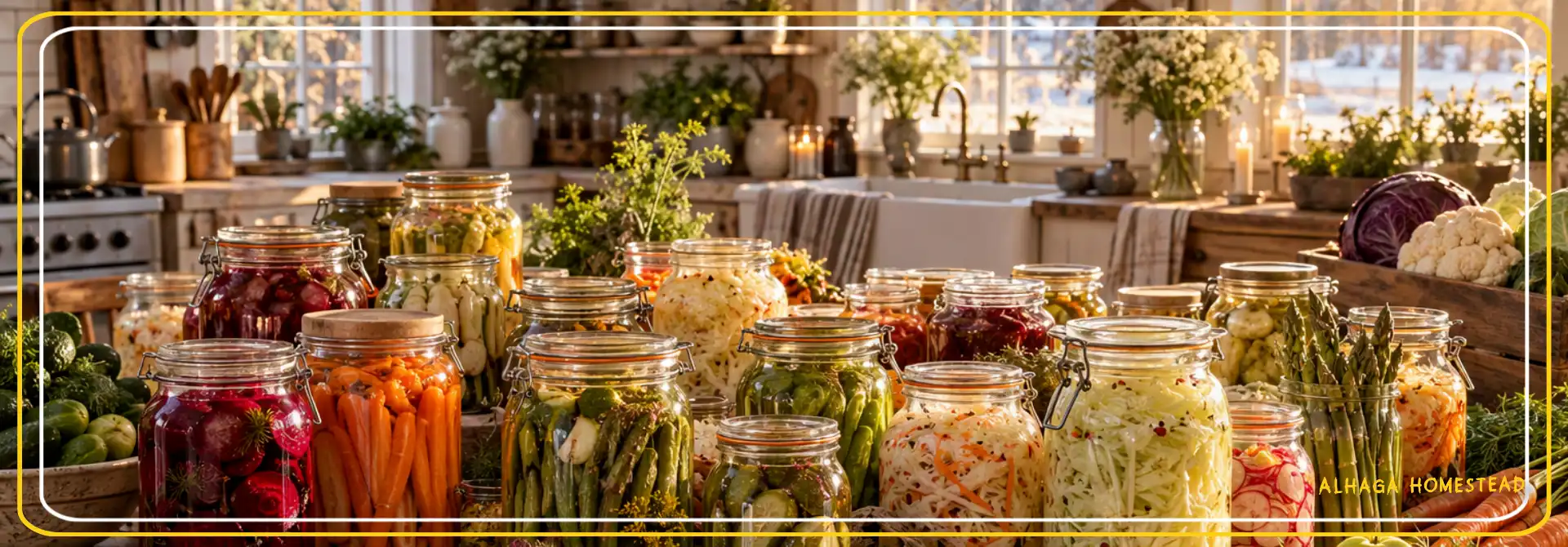
1. Beets – sweet, earthy and packed with goodness
Beets were one of the first veggies after carrots that we dared to ferment back home. They’re naturally sweet, which means they ferment quick and give you a mild, earthy tang that just about everybody likes.
They’re loaded with magnesium, potassium, iron, soluble fiber – and vitamins A, C and B6. Plus a whole bunch of antioxidants that help protect your cells from free radicals and support a healthy immune system.
How I do it in my kitchen
I slice the beets thin or cut ’em into sticks, toss in a little garlic, thyme and submerge them in a 2% brine. After a few weeks they’ve got this deep, almost wine colored look with a fresh tang in the background. This one’s probably my favorite.
Why not use fermented beets in:
Salads with feta cheese, walnuts and honey from local beekeepers
Sandwiches on coarse bread with butter and some leafy greens from the kitchen garden
As a colorful side to root veggie dishes and stews
Openin’ a jar of fermented beets in the middle of winter feels a bit like pulling summer outta a can. The color, the smell, the taste all remindes of the harvested day.
2. Asparagus – easy and surprisingly delicious
Asparagus was a real surprise for us back in the days. We figured it’d turn out too soft, but fermented asparagus has become one of my spring and early summer favorites. Right now, I don’t have any own plants yet, so I buy mine from the store. Maybe once I find a good patch of land, I’ll give growing my own a shot. What do youl think – should I take a swing at asparagus? Drop yer thoughts in the comments below, and tell us in the group why you think it’s worth growing.
Fermented asparagus is simple to make. Just trim off the tough bottom part of the stalk so it fits in the jar, cover it with brine, and toss in some garlic and thyme for extra flavor. It’s a good source of folate, potassium, fiber and thiamin (vitamin B₁). Which supports your nervous system and helps your body turn carbs into energy.
Use it often:
I like to say fermented asparagus is like an upgraded version of fresh – just a tad softer, but with a deeper, tangier flavor that makes you want to eat piece after piece. It’s perfect on cheese boards alongside fermented grapes or pears, with a cup of tea and a little philosophizing about the future.
Its great in spring salads with eggs, herbs, and a drizzle of oil or as a side to grilled fish or chicken.

Little tips for lively ferments
Choose good produce
Reach for organic, unsprayed, or locally grown fruit and veggies when you can. Fresh harvests make a lovely place to start.
Begin With a Small Jar
Try a little at a time, taste as you go, and find the combinations your family loves best.
Give Fruit a Gentle Nudge
Fruit and berries often carry helpful microbes on their skins. A teaspoon of honey can help get a sluggish batch going.
3. Broccoli – quick ferment with a probiotic kick
At first, I thought broccoli was too delicate for fermentin’, but turns out I had it backwards. A quick ferment of 3–5 days gives you a light probiotic tang without turning those tender florets to mush.
One favorite trick
Try fermenting just the broccoli stalks. Chop ’em into pieces a bit bigger than a pea and let ’em ferment with garlic, a little habanero and fennel seeds. They come out nice and crisp and soak up all that spice flavor.
In my kitchen fermented broccoli ends up in quick stir fries, tossed in near the end or as a salad with sichuan peppercorns and fresh herbs.
When I standin’ at the stove and toss a handful of fermented broccoli into a wok, it feels like I got a little pantry full of ready made flavors – reminding me that fermenting ain’t just a project, it’s real, appreciated everyday food. Especially after a long day in the garden.
4. Cabbage – the backbone of many classics
Cabbage is the foundation of some of the world’s most famous ferments, like sauerkraut and kimchi. It’s tough – easy to work with and gives you a steady, tangy base to build on.
Here on Alhaga homestead, I always got at least one jar of cabbage goin’. Sometimes it’s plain sauerkraut with just salt and caraway seeds. Sometimes it’s a kimchi inspired mix with chili, garlic and ginger. Cabbage is rich in vitamin C, fiber, and various plant compounds that support your immune system and keep your gut happy. Perfect when fall and winter are rollin’ around and we wanna strengthen ourselves from the inside out.
How to approach fermentin’ cabbage
In the fall, you make the most of the late harvest and fill several jars at once. My own little kitchen garden don’t look like much right now, everything’s still getting started – but I trying to grow two or three heads of cabbage anyway each season.
I also like to recommend mixing cabbage with carrot and onion for extra sweetness and depth. One jar often becomes the base of a whole meal – served alongside sausage, potatoes or stews. The smell from a jar startin’ to ferment reminds me why I leep doing this. It smells alive, tangy and a little earthy. just like a kitchen oughta smell when it’s hard at work.
5. Carrots – where sweet meets tangy
Carrots were our very first ferment, and they hold a special place in my heart. Fermented carrots give you a delicious balance of sweet and salty. They keep a nice crunch even after weeks in the jar. They’re rich in beta carotene, fiber and minerals like potassium and magnesium its a simple veggie that still feels a little magical once it’s fermented.
Use fermented carrots in:
I cut the carrots into sticks, mix in a little ginger and submerge ’em in a 2% brine. After a few days, they’ve got a nice tang and a deeper sweetness than fresh carrots.
Enjoy them as a snack with your protein shake at the gym, toss them into a lunch salad, or serve them alongside a hearty potato and meat stew. When Miss X’s daughter tried fermented carrots for the first time, she was mighty skeptical. But our rule at home is, you gotta taste before you can say it’s yucky. Can you guess what she said? “But these are good!” And that’s exactly the feelin’ we wanna create, that fermenting ain’t weird, it’s natural and delicious, something even kids can appreciate.
What will you put in your next jar?
Choose a few favorite fruits or veggies, start small and see where the ferment takes you. Share your questions, handy tips, and surprising flavor discoveries in the comments – let’s learn from each other, one jar at a time.
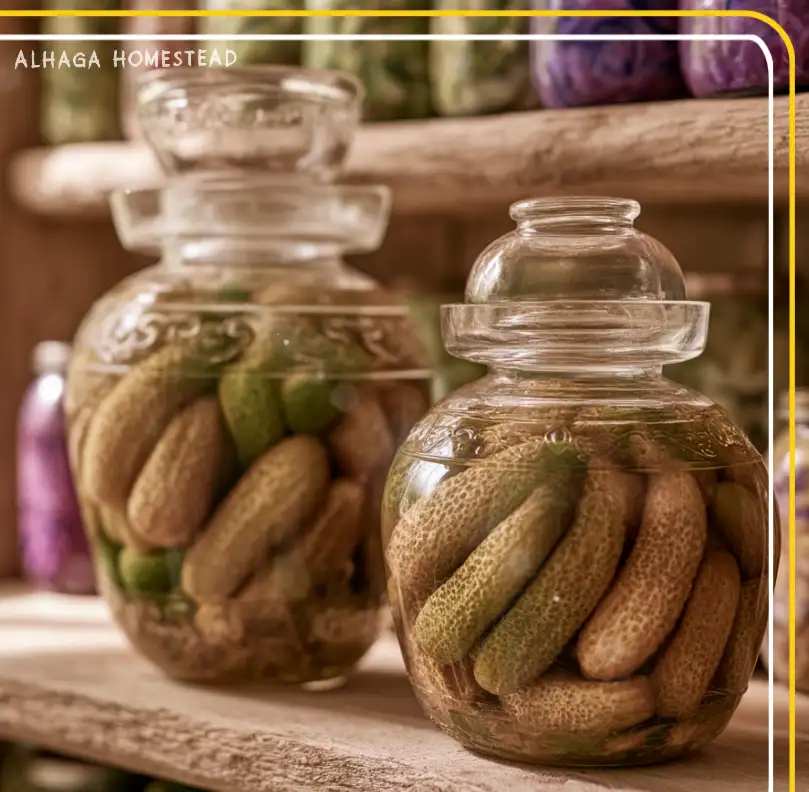
6. Corn – sweet and fiber rich ferment
Corn was an experiment that turned into a favorite. I weren’t sure if it’d work, but fermented corn has this unexpectedly good, lightly tangy flavor with a soft but still chewy texture. I even used regular canned corn, rinsed it off, and dropped it straight into our jar. It’s a good source of fiber and minerals like magnesium, zinc, copper and iron. And maybe a fun way to use up excess from the corn patch when the harvest is at its peak.
Fermented corn is great in:
Try mixing it with a little onion and chili in a 2% brine, then let it ferment at room temperature for 5–10 days or until it reaches just the tanginess ya love. Spoon it over tacos or nachos with fermented peppers and onions – or toss it into a salad bowl with lime, cilantro, and leafy greens for a sweet, tangy kick.
Openin’ a jar of fermented corn in the fall darkness feels a bit like pullin’ out something special. That yellow color, that sweet smell, that fresh taste remind us of all them sunny days out in the country.
7. Cauliflower – crisp, hearty and full of antioxidants
Cauliflower’s become one of my go to veggies when I want somethin’ crisp and hearty in a jar. Fermented cauliflower’s got a nice texture, is rich in fiber and is a good source of antioxidants. Especially sulforaphane, which you find in lots of cruciferous veggies. Studies have shown sulforaphane has anti inflammatory and antioxidant properties, makin’ cauliflower extra interesting from a health standpoint.
On Alhaga, I like to mix cauliflower with:
• Carrot and onion for color and flavor
• A little chili and garlic for heat
• Dill and fennel for a cooling twist
It’s perfect in stir fries with broccoli, noodles, and sauce with meat or fish. When I packin’ cauliflower florets into my jars, layer by layer, it feels like I building little treasure chests – jars we’ll open with joy when the days get darker.
8. Cucumbers – refreshin’ probiotic snacks
Fermented cucumbers, or pickles, are a classic for a reason. They’re crisp, tangy, and go with everything from sandwiches to sausage and cheese.
At home I always got a few jars of cucumbers goin’ in late summer when the cucumber patch is at its peak and I need to get a handle on the overflow. They’re perfect to take along as little snacks when I’m out adventuring in the woods.
Cucumbers also contribute fluids and antioxidants, and can be a good way to get more hydration through your food – especially on hot summer days when you’re workin’ out in the garden.
Eat ’em often:
• With meatballs, potatoes and cream sauce – cranberry sauce, of course
• As a snack straight from the jar when you’re out in the kitchen
Mix them with dill, garlic and mustard seeds – or try fennel and peppercorns with a little chili for gentle heat to your jars. For me – the scent of dill, garlic and tangy cucumbers is the scent of a Swedish late summer – long days by the coast, picnics with friends, fishing, love and the simple joy of being present.
9. Garlic – flavorful and good
Garlic was somethin’ I only used fresh for a long time, till I tried fermentin’ it in honey. Fermented garlic gets softer and less sharp, with a deep, nutty flavor that I now enjoy.
It’s rich in antioxidants and various plant compounds that support the immune system and are said to give you a healthy little tummy. A small jar that makes a big difference in the kitchen.
How to do It and use it
Peel the garlic cloves, leave ’em whole in a small jar, and cover them with 2% brine. After a few weeks, they’ve turned soft, almost creamy, and developed a nice tang. It’s a flavor booster in sauces, marinades, and spreads, you could eat them straight from the jar while you’re cooking.
Pullin’ out a clove of fermented garlic and tasting it in the middle of cooking has become a little ritual for me – a moment when I pause, smile and think, “Yeah, this here turned out real good.”
10. Kale – versatile and nutrient dense
Kale’s one of fall’s heroes in many gardens. It tolerates cold, stays in the kitchen patch a long time, and gives you greens clear into late autumn. Kale is excellent to ferment, both on its own and mixed with other veggies like garlic and onion. It’s full of antioxidants, phytonutrients and vitamin K.
Phytonutrients are natural compounds in fruits, berries and vegetables that, among other things, give ’em their color and act as the plant’s own defense – and in turn, can support our bodies.
Fermented kale works well In:
Fermented kale is a great way to add something green, tangy, and full of character to a meal. Try it in hot dishes toward the end of cooking. Toss it into salads with nuts, seeds and a good oil or add it to a grain bowl with beans and sauce.
I’m not the biggest kale fan, but I love using a little in green ferments with carrot, onion and herbs. A touch of chili and ginger gives it a kimchi like edge.
A jar of fermented kale can easily save a meal when you’re craving something green and tangy. Harvestin’ kale late in the fall, maybe even with a little snow around your feet, and then packin’ it into jars feels like saving a bit of fall’s strength for the darkest months ahead.
11. Onion – complexity in every jar
Onion’s one of them veggies I almost always include in my ferments. It adds depth and complexity to just about any vegetable ferment.
Red onion is especially lovely – both for its flavor and its beautiful color in the jar. I love adding a small amount of fermented red onion to the classic Swedish onion sauce many of us grew up with. It brings a gentle sweetness and a subtle tang that makes the sauce feel a little brighter and more alive.
Have you ever tried fermented onions in a sauce where you want both sweetness and tang?
I’ve learned not to underestimate the onion. A jar of just fermented onion might sound simple, but once you taste it you realize it’s like a spice in itself. A little sweet, a little sharp, a little tangy and incredibly useful.
12. Peppers – color, flavor and Vitamins
Peppers are one of many peoples absolute favorites when it comes to color and joy in a jar. Any pepper, from small to large, from mild to hot, is excellent to ferment. Many like to grab ’em when they can buy whole discount boxes of just peppers at the store.
You can ferment thm whole, in strips, rings or diced dependin’ on how you plan to use them. Peppers are rich in vitamin C, antioxidants, and various plant compounds that support a healthy body and balanced inflammation.
How I like them
I experiment with different varieties, from sweet to hot to get different flavors and heat. I often cut the peppers into pieces, mix with onion and garlic, and submerge in brine. Fermented peppers work both as a side and as a flavor booster in stews and sauces. They are a colorful adition to salads, tacos, wraps and quesadillas.
Openin’ a jar of red, yellow and orange peppers in the middle of winter is like lightin’ a little color candle in the kitchen – it reminds me of hotsummer days, the time I’ve shared together with friends making barbecue.
13. Radishes – from peppery to tangy
Radishes were a surprise for me. Fresh, they’re often pretty peppery. But fermented, they lose much of their bite and get a pleasant agreeable tang instead. They’re rich in potassium, calcium and vitamin C. A little root that packs a lot of flavor and nutrition.
You can use fermented radishes in:
Fermented radishes bring a bright, tangy crunch to summer meals. Add them to a Nordic-inspired salad with crème fraîche and walnuts, layer them onto a sandwich with a creamy spread, or scatter them over a noodle salad for color and bite.
To make them, rinse the radishes, trim the tops, and keep them whole or cut them into wedges. Cover with a 2% brine and ferment at room temperature for 3–5 days. The result is milder, softer and pleasantly tangy – perfect alongside all kinds of summer food.
14. Green beans – crisp and nutrient rich
Green beans have become a pantry staple for me in late summer. They ferment easily in a brine and give you a crisp, tangy side that goes with lots of things. They’re good sources of vitamin C, fiber, folate, silicon and vitamin K. All of which contribute to healthy bones, hair and skin. One more reason to keep ’em in rotation.
Folate (which is formed from folic acid in the body) is especially important for blood cell formation and cell function. Somethin’ I think about when I planning meals for me and my friends.
Fermented green beans go well with:
• Appetizers with cured meats
• Salads with tomato, onion, and herbs
• As a crisp side to grilled or roasted meats
I just trim the ends off the green beans, pack ’em standin’ up tight in jars, and pour on 2% brine. Sometimes I add a little garlic, thyme or chili for extra flavor. And after a few weeks, they’re crisp, tangy, and ready to use.
Pullin’ out a jar of green beans in the winter feels like opening a door to memories just a crack – that green color, that fresh smell, that crisp texture remind me of long days in the kitchen garden that I’ve just barely started.
15. Rutabaga – sharp and flavorful
Rutabaga’s one of them kinda forgotten veggies that I learned lots of folks appreciate. They’re rich in fiber, vitamins, and minerals, making them an excellent source of nutrition. Fermented rutabaga gets a nice balance of earthiness, sweetness and tang, and it gives a slightly different character than carrots and beets.
I haven’t fermented rutabaga yet – but I’m excited to try it.
Over the years, I’ve received so many wonderful tips from those of you who followed the old blog. Several of you strongly recommended rutabaga, so I wanted to include it in this updated post.
Many of you have told me that fermented rutabaga becomes a real favorite – earthy, gently sweet and a little more “grown up” in flavor than other veggies. Some say it takes a moment to get used to, but that it quickly becomes one of those ferments ya keep coming back to.
If you’ve tried it, I’d love to hear from you. What do you and your family love about it, and how do you enjoy it? Leave a comment and share your experience with the rest of us, we’d love to hear what you think…

Bonus – my top 5 fruits to start fermentin’
Now, youl might be thinkin’ fermenting is just for veggies. But let me tell ya, fruit can get just as magical and excitin’ through fermentation. Lots of fruits and berries that grow right here in Sweden are perfect to ferment, both for drinks and as sides to your meals.
Here on Alhaga homestead, I see fermented fruit as a way to make use of our overflow. Stretch the season and create brand new flavors for breakfast, coffee breaks and celebrations. Right now, we’re just tryin’ to find that dream plot of land so we can start planting our own bushes and trees. But till then, we’re making do with what we can get our hands on.
1. Apples – The classic homestead staple
Apples are the classic in Swedish kitchen gardens. Fermented apples come out both fresh and tangy, and they work just as well in a crisp salad. On your breakfast yogurt, or as the base in a fresh experiment with water kefir.
How I think about it
I like to use mixed varieties for different flavors and sweetness levels. If you don’t have any gran apple trees wy not politely ask for apples when we pass by a house with a big tree droppin’ with ’em – folks are usually happy to share.
Cut the apples into pieces, pack them in a jar and cover with a light brine for ont to 3–5 days . Fermented apples often become a favorite for breakfast and coffee breaks.
2. Pears – sweet, round and wonderful
Pears get this wonderfully round flavor when they ferment. Try fermenting them with a little ginger or cinnamon for an extra flavor kick. For even more depth, try mixing your pears with apples, or let them ferment a little longer to develop a deeper, more wine like flavor. Serve them on a cheese board, spoon them over desserts or enjoy them straight from the jar.
3. Plums – sweet, juicy and fancy
Plums are sweet and juicy, and they turn out fantastic as a fermented side on a romantic cheese board or in a tangy drink. Remove the pits, pack the plums in a jar and cover with a light brine. Sometimes I add a little lemon balm, vanilla or ginger for extra warmth. Fermented plums often become a favorite with cheese, cured meats, and dark chocolate – and for good reasons.
4. Cherries – deep color and berry goodness
Cherries give a beautiful color and a deep, berry like flavor to fermented drinks and preserves. Perfect when summer’s at its best. I only tasted fermented cherries myselves, but they work real well in:
• Drinks mixed with water
• As a topping on yogurt, oatmeal and desserts
• As a color and flavor boost in sauces for meat and game
Openin’ a jar of fermented cherries is like gettin’ a reminder of short and warm moments with someone you hold dear.
5. Rhubarb – the Swedish favorite
Rhubarb might not be a fruit botanically speaking, but in the kitchen it certainly behaves like one. Its bright tartness makes it a wonderful base for fermented drinks like kvass – fresh, tangy and wonderfully thirst-quenching.
I simply cut the rhubarb into pieces, pack it into a jar and cover it with a light brine for 3–5 days. Sometimes I add lemon or a little honey for extra flavor, but my favorite addition is a few Sichuan peppercorns.
The result is a mighty fine base for refreshin’ summer drinks and cozy winter kvass.
Tips for fermentin’ fruit and veggies – From Alhagas kitchen to yours
When you’re fermentin’ fruit and veggies, try to use organic and unsprayed produce for the best results. Especially if you don’t have the chance to grow your own. At home I try to use as much of my own homegrown stuff as possible, but I also happy to buy from locally produced farms and gardens when my own harvest don’t quite cut it.
Start with small amounts and feel your way to your own favorites. Fruits and berries often have natural lactic acid bacteria on their skins and just need a little help gettin’ going. Sometimes I add a teaspoon of honey to kick start the process.
Dare to experiment and discover how fermentation can turn ordinary fruits into new flavor experiences with your family. That’s exactly how we learned when we started by tryin’, tasting, sometimes failing – and then tryin’ again. And when we think we’ve nailed it, we bring in our most skeptical and critical judge: Miss X’s daughter, who gets to deliver the final verdict on our sometimes crazy antics. Thats how te journey started for me and where I am today.
How to handle rhubarb and plums on the go
I like to freeze rhubarb in pieces right after harvest. It keeps well in the freezer for up to 12 months and can be used straight from the freezer or thawed before fermenting. Freezin’ doesn’t affect your ability to ferment, but the rhubarb might get a little softer in texture.
When it comes to plums I remove the pits from plums and freeze ’em. When I wanna ferment them, I just take them out and thaw ’em. Freezing breaks down the cell walls, which means they release more juice and can get a little softer. But the flavor and fermentation process aren’t negatively affected.
What to keep in mind – from my experience
Frozen and thawed fruits and veggies tend to get softer and can give a different texture than fresh, but they work great for fermenting. I use both frozen and fresh ingredients in the same ferment batch if I want.
I have also start to experiment by dry fermented berries, if you’re interested I might write a small post on that in the future.
When I ferment thawed fruit or rhubarb, I use all the liquid that’s released during thawin’. It adds a ton of delicious flavor and nutrition to the ferment.
The bottom line – how I see it
Freezin’ your harvest to ferment later is both safe and practical. You might get a slightly softer texture, but the flavor and nutritional value stay put. Which I think is perfect for spreading out the work throughout the year and makin’ use of the whole harvest. It’s also a way to let the harvest live on – from summer’s full land and good finds in the stores to winter’s dark days, jar after jar.
A fermented journey – together
Fermenting vegetables and fruit ain’t just a fantastic way to make the most of your harvest. It’s also a journey full of flavor, creativity and discoveries to share with the people you love. Here at home, I see every jar as a little adventure. Sometimes it turns into a new favorite, sometimes it teaches me something for the next batch.
Miss X was always the adventurous one, letting her curiosity lead the way and never shying away from unfamiliar flavors. She led the way on this journey, and I’m doing my best to carry that spirit forward while finding my own path.
Whether you’re a beginner or an experienced self sufficiency enthusiast, there’s always new combinations to try and discoveries to make in the kitchen. So why not pull out a jar today, pick a few of your favorites from the list – and let the fermentation begin?
Feel free to share your own tips, questions or flavor experiences in the comments. Lets get inspired by each other and growing together as food loving homesteaders. Remember, veggies from colder weather that are harvested later in the season are often best for fermentation, since they’re better suited for long term storage and the fermentation process. By choosin’ the right vegetables, you can create a bunch of delicious and nutrient rich fermented foods to enjoy – here on Alhaga homestead I see every jar as a little adventure, and I hope you’ll soon do the same.
Good luck with your fermenting and remember, sometimes it’s the small experiments that lead to the biggest flavor sensations.
I look forward to hearin’ about your fermenting adventures, Fedrik. 🧺