
Discover the Magic of Food Forest Gardens
Creating a thriving bloomin’ ecosystem in your backyard
Transform your outdoor space into a vibrant ecosystem that supports biodiversity and provides fresh produce. Keep reading and learn how to balance nature with cultivation in your own food forest garden.
Biodiversity boost
Enhance your garden’s ecosystem by introducing a diverse range of plants that attract beneficial wildlife.
Sustainable practices
Adopt eco friendly gardening techniques to maintain a healthy and productive environment.
Year round harvest
Plan your garden to ensure a continuous supply of fruits, vegetables, and herbs throughout the year for your family.
The Essence of Food Forest Gardens
Building a balanced ecosystem
Food forest gardens are designed to mimic natural ecosystems, promoting a harmonious balance between plants, animals, and humans. By incorporating a variety of native species, these gardens support local wildlife and enhance biodiversity. The key is to create a self-sustaining environment where each element plays a role in the overall health of the garden. From providing habitats for pollinators to enriching the soil with organic matter, food forest gardens offer a sustainable solution for those looking to cultivate their land responsibly and a bloomin’ ecosystem.
Alright, y’all, let’s dive into the next blogpost in our nine part series about food forest gardens and a bloomin’ ecosystem. So let me ask if youre ready to get in tune with nature? Are you ready to explore how you can create a bloomin’ ecosystem in your forest garden while balancin’ it with your need to grow some crops.
We’re not just talkin’ about looks here, we’re talkin’ about creatin’ a bloomin’ ecosystem that attracts all sorts of wild critters. Imagine birds chirpin’, squirrels runnin’, rabbits hoppin’, and all kinds of animals makin’ themselves right at home in your backyard. Sounds like a dream, right?
Well, it don’t gotta be just a dream, most of it’s totally doable. With some careful plannin’ and plantin’ the right stuff, you can turn your property into a bloomin’ wonderland for promotin’ biodiversity.
Now, if your goal is to produce crops for your household, you might wanna take a slightly different approach. Maybe a more organized style would suit your needs better, so you can maximize your food production per square foot.
But even if your focus is on growin’ crops for your household, there’s no reason you can’t incorporate some wild elements into your design. Just keep in mind that the more you plant, the harder it’ll be to maintain everything down the line. But that’s a future problem for you to worry ’bout, for now, let’s focus on gettin’ started.

Your 3 easy seps to create a bloomin’ ecosystem
Step 1: Plan for diversity
Select a mix of native plants that bloom at different times to ensure a continuous food source for pollinators and wildlife.
Step 2: Design varied habitats
Incorporate different habitats such as tall grasses, rock piles, and water features to attract a wide range of species.
Step 3: Balance cultivation
Use companion planting techniques to grow crops while maintaining areas for wildlife. Integrate flowering plants to support pollinators.
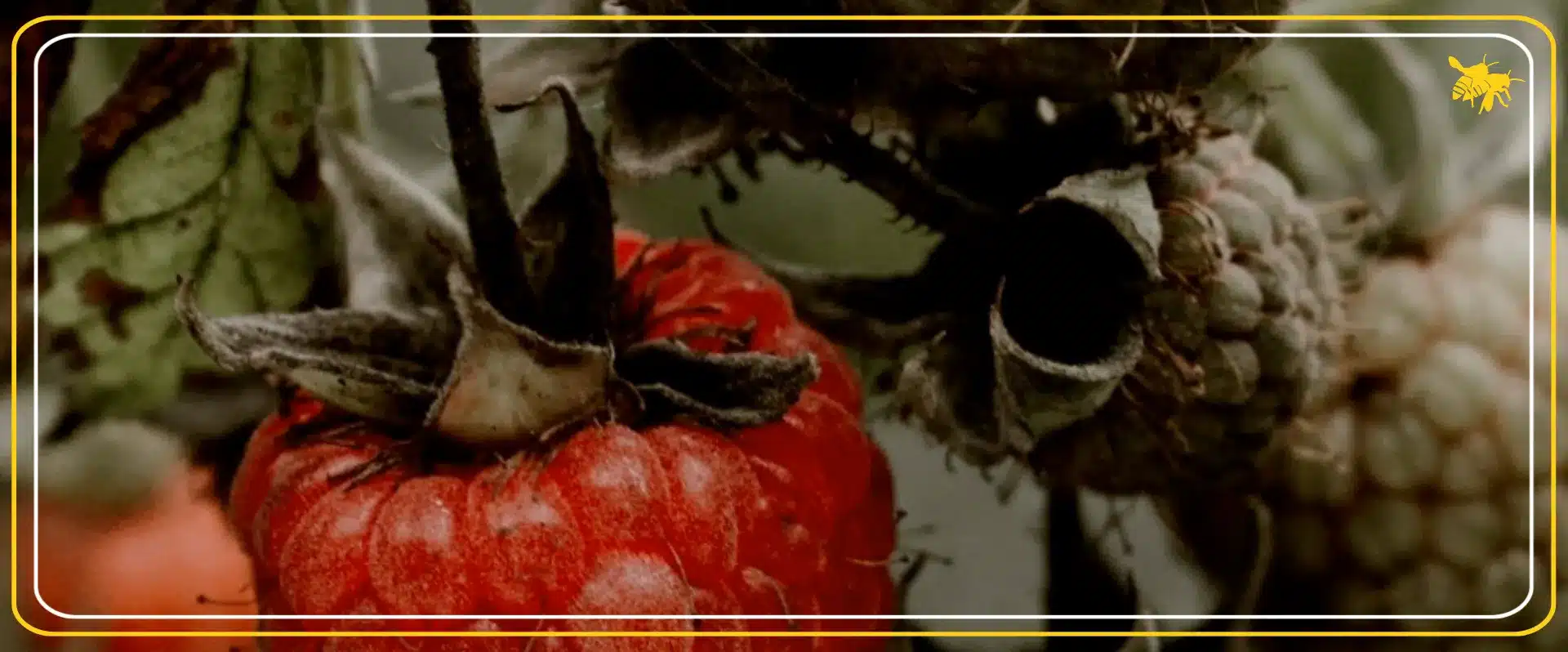
Enhancing biodiversity through planting
Choose a mix of native plants that bloom at different times of the year. This gives you a constant source of nectar and pollen for pollinators. Think about includin’ trees and shrubs that produce berries, like rowan and wild apples, climbin’ plants like hops, kiwi and grapevines to create hideouts and nesting spots.
Ivy and honeysuckle are some plants that are often recommended in these plantings, but I would like to raise a warning finger as these can, in a bad sense, become a bit invasive for my preference.
And dont forget to add some bloomin’ herbs like lavender, thyme, and chamomile. These will attract beneficial insects, ensuring your garden is a vibrant haven for biodiversity.


Building a wildlife friendly environment
Create varied habitats
Different critters thrive in different environments. By offerin’ a variety of habitats, you can attract a wider range of wildlife. Let the grass grow tall in some areas to create shelter for small critters and build a rock pile or a woodpile that can become a home for insects and small reptiles. Put up birdhouses, bat houses, and insect hotels in strategic spots.
Create zones
Divide your forest garden into different zones.
Have a more structured area for your more delicate veggies and herbs, usually up front where you move around a lot. Let other areas further back be more “wild” to attract wildlife. Use vertical spaces like old fences and trees for climbin’ plants.
Balance wildness with cultivation
Creatin’ a wild bloomin’ ecosystem don’t have to exclude growin’ your own crops. Use companion plantin’ principles to maximize space and promote biodiversity. You can do this by plantin’ beans that fix nitrogen alongside corn that provides support, and squash that covers the ground. Choose compact varieties that are designed for smaller spaces.
The Role of Water in Wildlife Gardens
Ensuring a sustainable water source
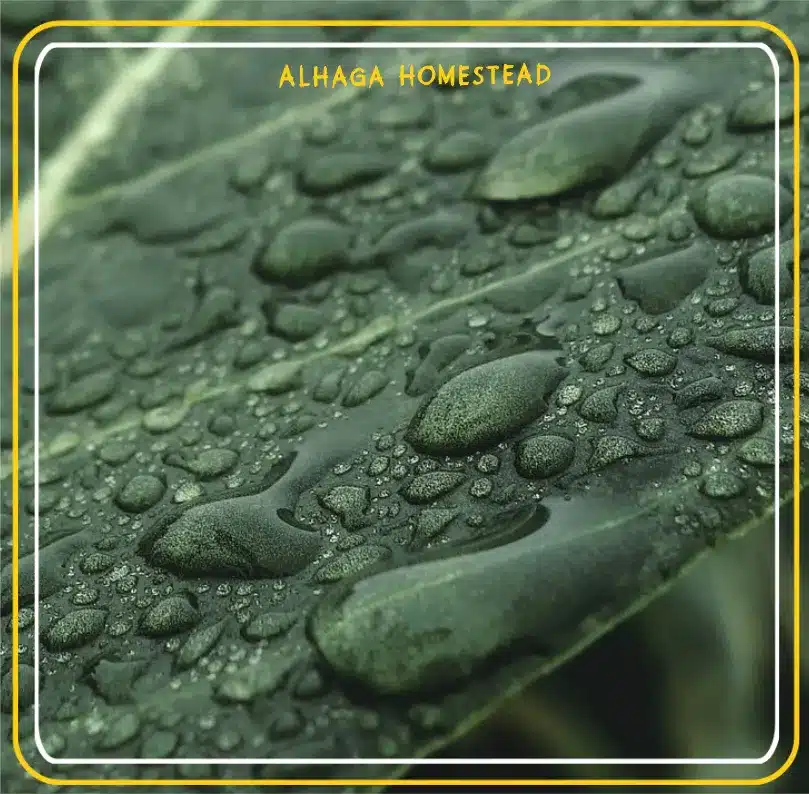
Water is a vital component of any wildlife friendly garden. Even a small water feature, such as a birdbath or a mini pond, can significantly enhance the attractiveness of your garden to wildlife. These water sources provide essential hydration for birds, insects, and other creatures, while also supporting aquatic life like frogs and salamanders. By maintaining clean and accessible water, you create a crucial resource that sustains the diverse life in your garden.
In addition to attracting wildlife, water features contribute to the overall aesthetic and tranquility of your garden. The gentle sound of water can create a peaceful atmosphere, while the presence of wildlife adds movement and interest. Ensuring that your water sources are well-maintained and strategically placed will enhance both the ecological and visual appeal of your garden, making it a true sanctuary for nature.
Make room for pollinators
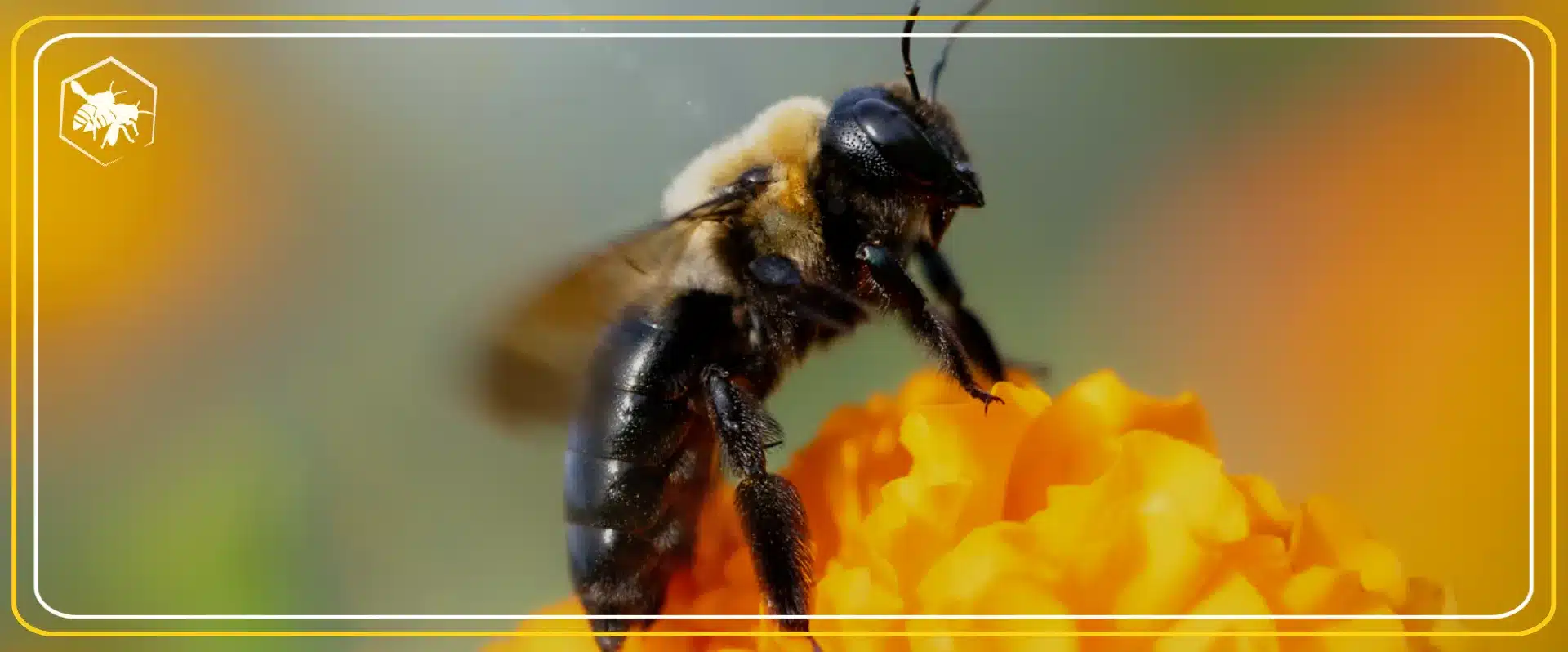
Integrate bloomin’ plants among your crops to attract pollinators and plant sunflowers, chamomile, and mustard between your veggies and shrubs. Don’t be afraid to let some of your herbs like dill go to seed, seeds are the source of all life.
Nurturing Your Garden
Maintaining with care
Maintaining a garden that supports biodiversity involves thoughtful practices. Use organic pest control methods to protect both your crops and the surrounding wildlife. Rotate crops to sustain soil health and compost regularly to recycle nutrients. By creating varied habitats, such as rock piles and tall grass areas, you provide shelter for a range of critters. These efforts ensure your garden remains a vibrant, living and bloomin’ ecosystem.
Water management is crucial for a healthy garden. Ensure a reliable water source, like a small pond or birdbath, to attract wildlife. Keep water clean and accessible, adding rocks to prevent bees from drowning. Strategic placement of birdhouses and insect hotels further enriches the environment, inviting diverse species to thrive in your garden.
Integrate flowering plants among your crops to attract pollinators, essential for a productive garden. Sunflowers, chamomile, and mustard are excellent choices to plant between vegetables and shrubs. Allow some herbs to go to seed, providing food for wildlife and ensuring the continuation of your garden’s life cycle. These practices foster a balanced and flourishing ecosystem.
Embracing the Journey
Enjoying the process
Remember, creatin’ a bloomin’ ecosystem is a gradual process. It takes time for nature to establish itself, so be patient and enjoy every little sign of success. Notice new bird species visitin’ your garden, delight in the sight of butterflies flittin’ between flowers and enjoy your own homegrown veggies and fruits in your forest garden.
This process is gradual, requiring patience and observation. Each small success, from a new bloom to a bountiful harvest, is a testament to your efforts and nature’s resilience. Embrace the joy of nurturing a garden that not only feeds your family but also contributes to the local biodiversity.
Until next time, y’all have a super fine day from your two passionate self sufficiency bloggers,
Tidde and Fidde.