Unlock the Secrets to Maximizing Your Spring Honey Harvest
Master the honey bee lifecycle for optimal production

Discover how understanding the intricate life cycle of honey bees can lead to a bountiful honey flow spring harvest. Learn the essential steps to synchronize your hive’s growth with nature’s rhythms.
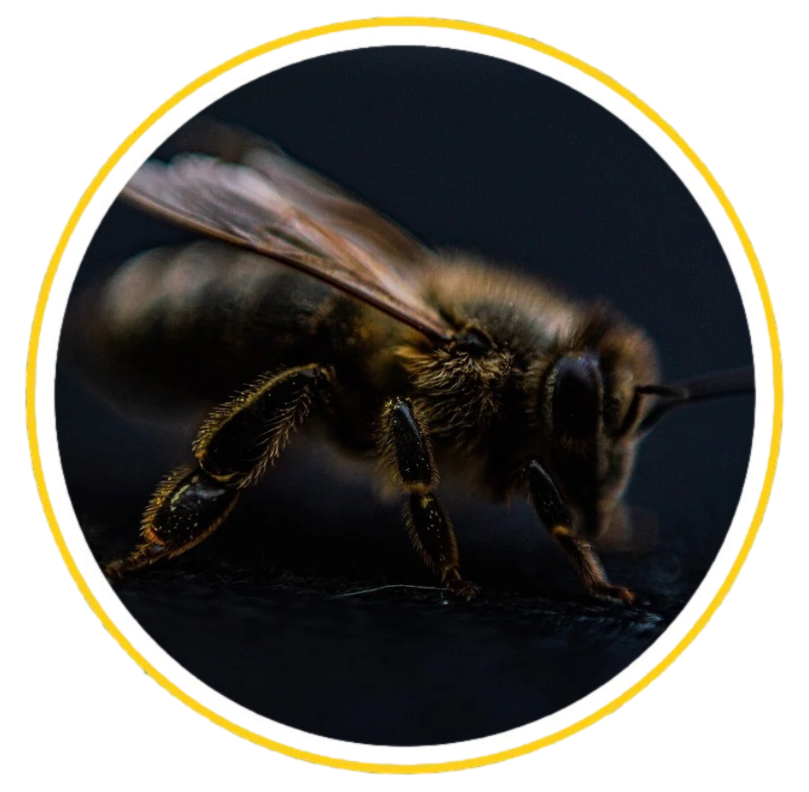
Understandin' your bees' life cycle
Howdy, friend. Today we’re gonna jaw about how to ramp up that spring honey flow somethin’ fierce. Knowin’ how them honey bees live their lives is key to gettin’ the most honey outta your hives come springtime. We’re gonna break down how you can use the bees’ natural rhythm and them early bloomin’ flowers to make sure you got a strong workforce when the nectar starts flowin’. We’ll explain the important numbers and calculations for figurin’ out when to light a fire under them colonies, and give y’all a step by step on how we get our bees at Alhaga to make more bee larvae.
But before we dive into this exciting world, we just want to mention that as Amazon associate, we earn a small commission on qualified purchases through some links in many of our posts like this one. It costs ya absolutely nothin’ extra, but helps us to continue to share our experiences and discoveries. Thanks for your heartfelt support!
Step by step guide, honey bee life cycle 101
Them honey bees go through a bunch of stages, each with its own job dependin’ on how old they are. If you know these stages, you can plan and help ’em grow to make your colony work like a well oiled machine.
Days 1-3
First thing a bee does is clean out its old sleepin’ spot. Then for the next three days, they feed the older young’uns, and for another 6-12 days, they feed the little babies. Lots of mouths to feed, I tell ya.
Days 12-17
From day 12 to 17, the honey bee makes wax from its wax glands and moves food around the colony.
Days 18-21
The bee stands guard at the colony entrance, brave as can be.
Day 22+
Bees start flyin’ out to gather nectar and pollen.
Tips for a successful spring
Keep an eye on the weather: Spring can be crazier than a junebug in a tin can. Make sure your bees got enough food stored up so they don’t starve when it gets cold. Also, make sure it’s warm enough for the bees to fly and do their business. If it gets too cold, take away the sugar water and give ’em the hard winter sugar instead.
Watch out for sickness: Check regular like for signs of diseases like chalkbrood or European foulbrood, especially if the flowers ain’t bloomin’ steady.
Get ready for swarmin’: When the colony’s growin’ fast, they might decide to split. Keep an eye out for queen cells and do what you can to keep ’em from swarmin’.

Stay updated with regular beekeeping insights
If you know how them honey bees live and give ’em a boost at the right time, you’ll have a strong workforce ready when spring rolls around. This’ll not only get you more honey but also keep your colony healthy for summer.
So put on your bee suit and get ready to make more honey than you ever did before!
And don’t be a stranger now, y’all! Swing by as often as you like. We’re always rustlin’ up new updates, fresh tips, and a heap of exclusive insights on our adventures to help ya make the most of your beekeeping adventure. We’re fixin’ to make sure you never miss a trick on how to keep them hives buzzin’ and productive right at your own homestead. Stick with us, and together we’ll keep on growin’, learnin’, and makin’ sweet memories one jar of honey at a time.
Y’all take care now, from your two passionate homesteadin’ bloggers, Tidde and Fidde.