The Unsung Heroes of Our Ecosystem
Discover the essential roles of wasps, hornets, and bees
Explore how these buzzing insects contribute to the balance of nature, from pollination to pest control, and why they deserve our respect and get a better understanding in todays post why do we have wasps?
Pollination powerhouses -Bees are crucial for pollinating over 80% of flowering plants, ensuring the production of fruits and vegetables.
Nature’s pest control – Wasps play a vital role in managing pest populations, protecting our gardens and crops.
The gentle giants – Hornets, though intimidating, are generally non aggressive and contribute to maintaining ecological balance.
Ever had a run in with these buzzing critters?
Y’all ever had one of those not so friendly meetups with a wasp? Maybe it happened back when you were a kid, or maybe just last summer at a backyard BBQ. Either way, we’ve all got our own little horror stories about those painful stings.
And hey, if you’re one of those folks who’s allergic to wasp stings, you’ve probably found yourself wonderin’, “Why in the world do these dang insects even exist?” Well, believe it or not, wasps actually play a big ol’ role in keepin’ nature balanced.
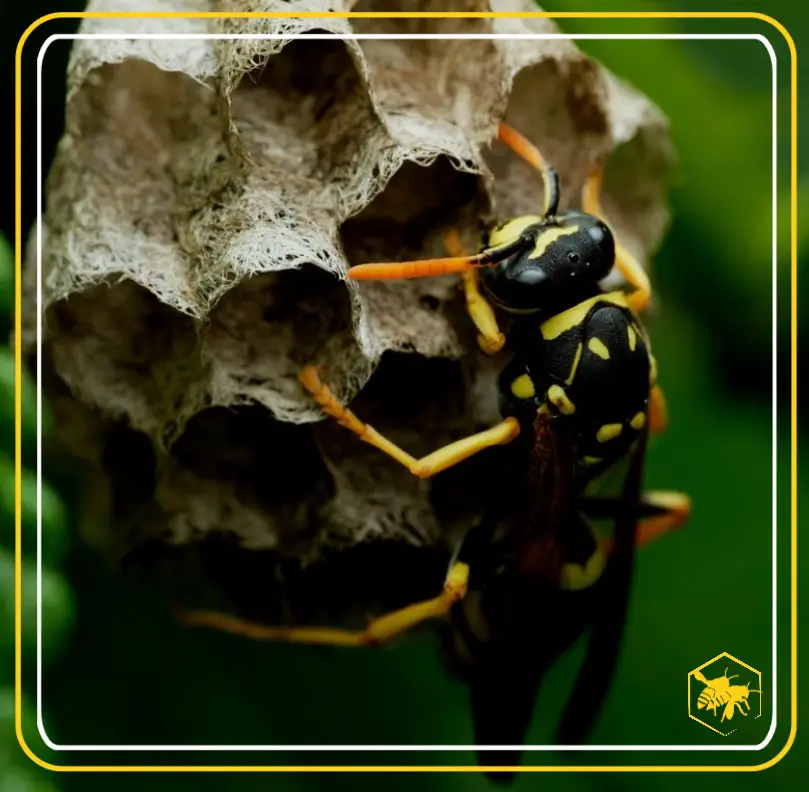
Picture this: You step out to your veggie patch one fine morning, only to find caterpillars munchin’ away like it’s a buffet and aphids hangin’ on your roses like Christmas ornaments. Sounds like a nightmare, right? But for wasps? That’s an all you can eat smorgasbord. These little guys help keep pests in check so your garden can thrive.
Common misconceptions about wasps
Wasps are just angry little stingers
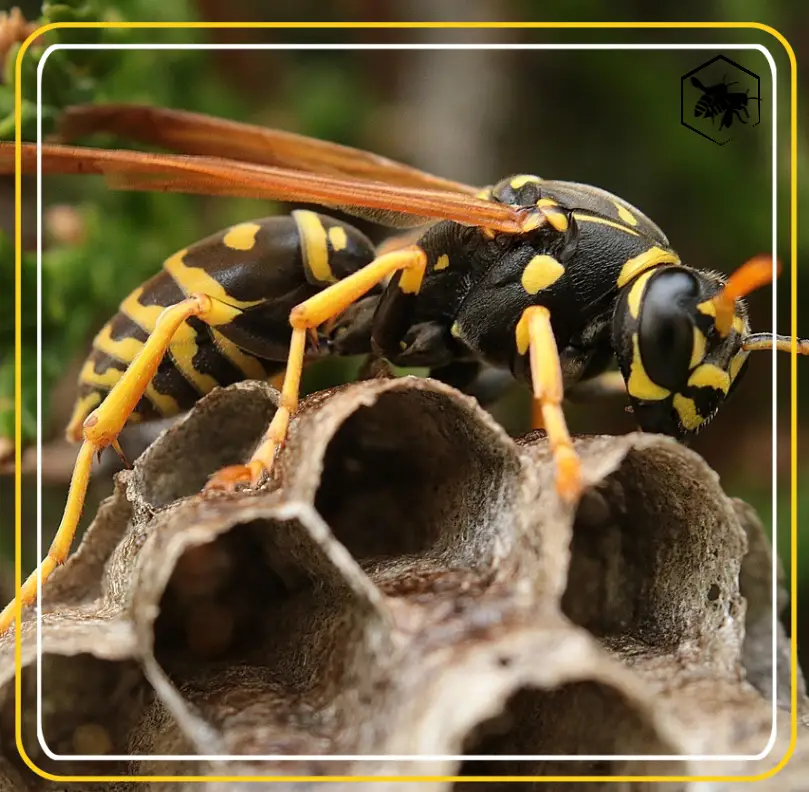
Now hold up, wasps ain’t out here lookin’ to pick fights for no reason. Sure, they’ll sting if they feel threatened. But they’re not naturally aggressive. Most of the time, they’re just mindin’ their own business.
All wasps are useless pests
That’s another big ol’ myth. Wasps are like nature’s pest control squad. They chow down on bugs that’d otherwise wreck your crops or garden.
Wasps and bees are basically the same thing
Nope! While they might look kinda similar, wasps and bees are totally different critters with their own unique jobs in the ecosystem. Bees are the pollination pros, while wasps handle pest control.
Bees, the real MVPs
Now let’s talk about bees, those fuzzy lil’ fellas that keep our world buzzin’. Without bees, we’d be in a heap of trouble when it comes to food production.
Pollination pros: Bees handle over 80% of pollination for flowering plants, including fruits and veggies.
Speedy flyers: These guys can zip around at about 7.5 miles per hour and visit up to 100 flowers on a single trip.
Queen bee life: The queen’s job is all about makin’ babies to keep the hive goin’. She takes one big flight to mate and then spends her life layin’ eggs.
Are wasps naturally aggressive?
No, wasps are not naturally aggressive. They typically only sting when they feel threatened or provoked.
Do wasps serve any ecological purpose?
Absolutely! Wasps help control pest populations by preying on insects that can damage crops and gardens.
Are wasps and bees the same?
No, wasps and bees are different. Bees are primarily pollinators, while wasps are known for controlling pests.
Do all wasps sting?
Not all wasps sting. Many species are solitary and non-aggressive, focusing on hunting rather than stinging.
Why do wasps build nests near homes?
Wasps build nests in sheltered areas to protect their young and have easy access to food sources.
Are hornets more dangerous than regular wasps?
Hornets can be more intimidating due to their size, but they are generally not more aggressive than other wasps.
Can wasps sting multiple times?
Yes, unlike bees, wasps can sting multiple times as they do not lose their stinger after an attack.
Do wasps contribute to pollination?
While not as effective as bees, some wasp species do contribute to pollination.
How can I prevent wasps from nesting near my home?
Regularly check for early signs of nests and remove food sources like open trash or sugary drinks.
Intriguing Insights
Hornets, the gentle giants?
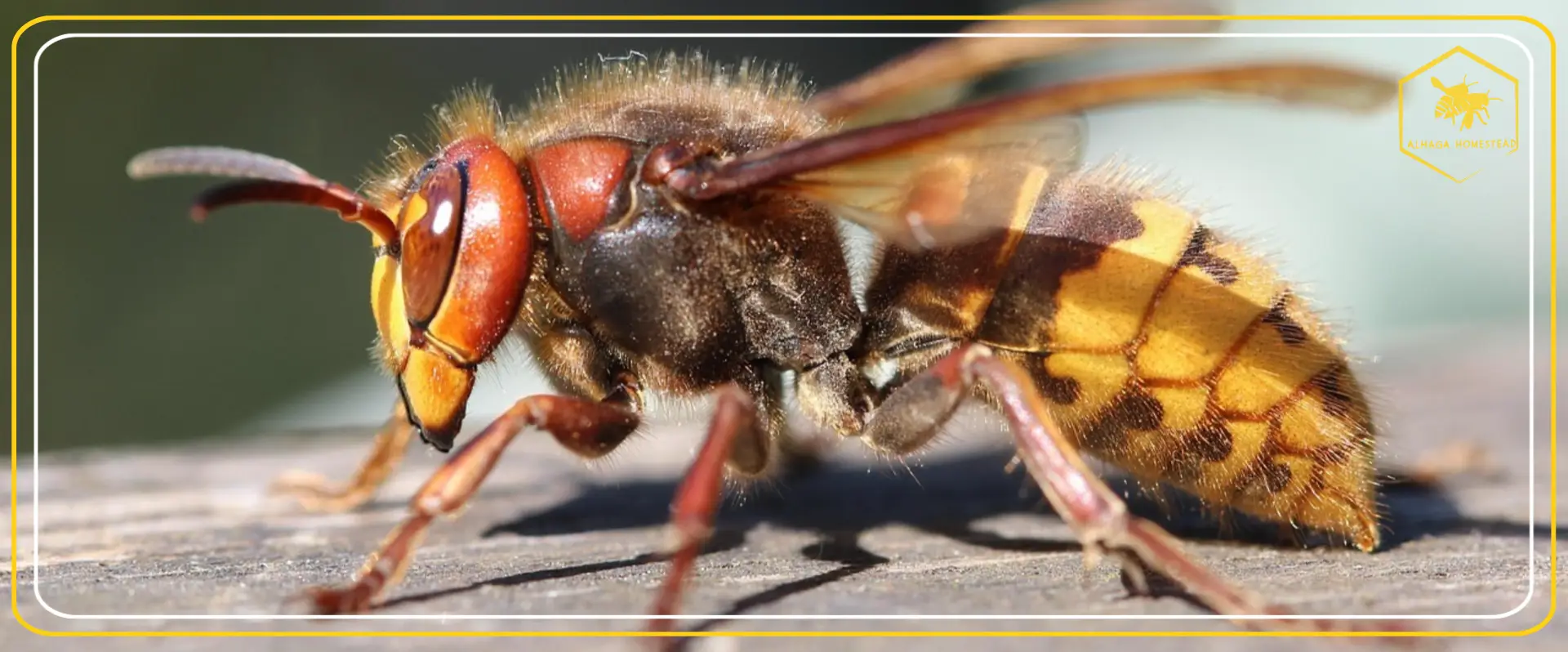
Hornets might look like wasps on steroids, but don’t let their size fool ya. These big ol’ fellas are usually pretty chill unless you mess with their nest. They’ve got those bold black and yellow stripes that scream “don’t mess with me. But they’re more bark than bite, unless provoked.
Fun facts about hornets:
They’re bigger and tougher than your average wasp.
Unlike regular wasps, hornets can sting ya multiple times without kickin’ the bucket.
Their nests are made from a paper like material created by chewing up wood fibers mixed with their spit, kinda gross but also kinda cool.
A little appreciation goes a long way
Appreciating wasps, hornets, and bees
These insects play a pivotal role in maintaining ecological balance. Wasps help manage pest populations, ensuring that gardens and crops remain healthy. Hornets, despite their formidable appearance, contribute to the ecosystem by controlling other insect populations.
Bees, with their tireless pollination efforts, support the growth of countless plants, including many we rely on for food. Recognizing their contributions can foster a deeper appreciation for these often misunderstood creatures.
Next time y’all see a wasp, hornet, or bee buzzin’ around, take a sec to think about all the hard work they do for our environment. They’re not just here to ruin your picnic, they’re out there helpin’ balance ecosystems and keepin’ things runnin’ smooth. So maybe give ’em a little nod of respect (from a safe distance, of course).
Share your buzzing tales
Please leave a comment in the field below