
Discover the Nutritional Power of Rabbit Meat
The ultimate guide to healthy and sustainable eating
Explore the benefits of incorporating rabbit meat into your diet for a healthier lifestyle and a greener planet.

When folks thought we'd lost our marbles
When it comes to unexpected paths in life, our dive into rabbit breeding has been quite the eye-opener. What started as a curious venture has revealed a whole world of nutrition and sustainability that most folks don’t even know exists. The humble rabbit, it turns out, might just be one of the most overlooked sources of healthy protein around these parts.
When we first dipped our toes into the world of rabbit raising not too long ago, we sure did face a heap of side eyes and raised eyebrows.

People ’round here would scratch their heads and ask, “Why in tarnation would y’all mess with rabbits? Can you even eat those little critters? Do they even have any nutrition worth talkin’ about?” Well, let us tell you straight, them doubters couldn’t have been more wrong if they tried!
After rollin’ up our sleeves and doing some proper diggin’ into the research, we uncovered the honest to goodness truth – rabbits ain’t just edible, they’re downright packed with nutrition that’ll knock your socks clean off. These fuzzy little critters come loaded with essential vitamins like B12 and B2, and they’re sporting impressive protein levels at about 21 grams per 100 grams of meat. That’s a whole lot of goodness wrapped up in a small package, I reckon. The more we learned, the more we realized we might’ve stumbled onto something that could change how folks think about puttin’ meat on the table.
So what’s all the fuss about rabbit meat anyway? Just imagine sittin’ down to a hearty, filling meal that’s healthy as all get-out, without having to fret about adding inches to your waistline. Word around these parts is that a handful of breeding rabbits can produce as much meat in a year as a whole cow. Now that’s a mighty bold claim that’s got us itchin’ to investigate further. When you think about the space them cows need compared to a few hutches of rabbits, it starts makin’ a whole lot of sense.
Guidelines for nutritious rabbit farming
Raising rabbits for meat is more than just a practical endeavor, it’s a science. To ensure your rabbits produce meat that’s both nutritious and healthy, there are a few key principles to keep in mind. Based on our research and experience from talking to personal rabbit breeders, here are 3 essential guidelines that will shaped our own future rabbit farming journey.

1. Feed that packs a punch, optimizing nutrition
What you feed your rabbits directly impacts the quality of the meat they produce. Recent studies highlight the importance of enriching rabbit diets with specific nutrients like polyunsaturated fatty acids and vitamin E to boost the nutritional profile of their meat. One standout nutrient is selenium, which not only benefits the rabbits but also offers significant health advantages to those who consume the meat. Selenium strengthens the immune system and has antioxidant properties that may help protect against cancer and age related conditions.
To incorporate selenium naturally, consider adding legumes like chickpeas, lentils, or black beans to your rabbits’ feed in appropriate amounts. This not only supports the rabbits’ health but also enhances the nutritional value of the meat they provide. In our opinion, this is yet another compelling reason to raise your own animals for sustainable meat production.
2. Clean hands, clean meat and storage
Maintaining top notch hygiene throughout the production process is critical for preserving rabbit meat’s excellent nutritional qualities. Food safety guidelines emphasize strict cleanliness during slaughtering, butchering, and storage. For instance, using separate cutting boards for different food types. One for meat and another for vegetables helps prevent cross contamination. A simple color coding system can make this easier: red for raw meats, green for vegetables, and so on.
Additionally, rapid cooling after slaughter is essential to maintain the quality and safety of the meat. Rabbit meat should be stored at temperatures between 0–4°C (32–39°F) and consumed within 3–4 days. For longer storage, freezing is your best bet. Vacuum-sealing has proven particularly effective in extending shelf life while retaining nutrients.
3. A sustainable and healthy choice for the future
When our family started questionin’ what’s really in that store bought meat, we got real interested in findin’ local, sustainable options. And let us tell you, the more we dug into it, the more we realized that rabbit meat is like a hidden treasure just waitin’ to be discovered by more folks not only homesteaders.
Cooking smart, reserving nutritional goodness
How you cook rabbit meat can make or break its nutritional benefits. Gentle cooking methods like slow roasting, sous vide, or low heat stewing are ideal for preserving its natural flavors and nutrients. These techniques not only keep the meat tender but also lock in its health boosting properties.
Rabbit meat has seen a resurgence in European cuisine in recent years, with innovative recipes blending tradition with modern cooking techniques. Dishes like Coniglio alla Livornese (rabbit braised in white wine with garlic, rosemary, and sage) have gained popularity far beyond their Italian roots. Plus, thanks to its low fat content, rabbit can be cooked with minimal added fats while still delivering delicious results.
By following these guidelines and feeding your rabbits nutrient rich diets, handling their meat hygienically, and cooking it thoughtfully can you ensure that every bite is as wholesome as it is flavorful. Whether you’re farming for personal use or exploring commercial opportunities, these principles will help you get the most out of your rabbit farming efforts.
The kind of nutrition that'll make your doctor smile
Y’all might be wonderin’ what’s driving the growing interest in rabbit meat here in 2023. Picture this, enjoying a delicious meal that fills you up proper without worryin’ about packin’ on extra pounds. Rabbit meat stands head and shoulders above the competition with its exceptional nutritional makeup, making it a top notch choice for folks who keep an eye on their health.
For every 100 grams of cooked rabbit you put on your plate, you’re gettin’ yourself around 20.1 grams of high quality protein, while the fat content stays mighty low at just 5.55 grams. That works out to roughly 136 calories, which is nothing to sneeze at when you’re watchin’ your figure. This makes rabbit meat just perfect for anyone lookin’ to keep their calorie countin’ in check without skimpin’ on gettin’ the good stuff your body needs. We had kinfolk drop a whole belt size after switchin’ to rabbit for their weeknight suppers, and they swear they ain’t never felt hungry or deprived.
The health perks of rabbit meat go way beyond just protein content, I’ll tell you what. It’s practically free of cholesterol and doesn’t pack much sodium either, which is mighty fine news for your heart. The calcium and phosphorus levels in rabbit meat are said to be higher than most other meats you’ll find at the butcher’s, which helps keep your bones strong while that phosphorus works to keep your body fluids in proper balance. The meat also delivers a good punch of potassium (about 360 mg per 100 grams) which helps regulate fluids and flush out excess salt from your system. When my uncle’s doctor told him to watch his heart health, rabbit was one of the first recommendations, and that surprised the dickens out of all of us.
Rabbits could be the homesteader's secret weapon
The research shows something that’ll make your eyes pop, a single mama rabbit can produce up to 40 young’uns each year. Compare that to a cow that typically has just one calf per year, and you’ll see why we’re so fired up about these critters. That kind of reproduction rate makes rabbits an exceptionally efficient choice for folks lookin’ to put meat on their table without a whole lot of fuss. Even with our modest setup, we’ve planning to keep our freezer stocked year round with hardly any of the headaches that come with larger livestock.
This impressive reproduction paired with how efficiently rabbits convert feed into meat makes them a smart choice for the environment too. In well run rabbit operations, these animals can turn about 20 percent of the protein in their feed into meat you can eat. That’s what we call efficient! Our rabbits thrive on garden scraps, hay, and just a bit of pellet feed, turning what might otherwise go to waste into premium protein for our dinner table.
Environmental scientists over at the Swedish University of Agricultural Sciences (that’s SLU for short) have been singin’ the praises of rabbit meat as a climate smart choice. Carl-Gustaf Thulin, one of their researchers, calls rabbits “the fish of the mammal world” – they eat roughage and turn it into high quality protein without wastin’ resources. In these times when everyone’s gettin’ more concerned about how meat production impacts our planet, rabbit meat offers an alternative that leaves a much smaller footprint than beef and other common meats. When you calculated your carbon footprint after a year of raising rabbits instead of buying store meat, the difference its said to be night and day.
Despite rabbit production in Sweden still being on the small side, the industry generates about 1.6 billion euros annually across the European Union, with Spain, France, and Italy leading the pack in consumption. This suggests there’s a heap of untapped potential for Swedish farmers to branch out their operations and offer an environmentally friendly protein option right in their own backyard. All over the world, we’re seeing more and more folks getting interested, especially once they taste their first properly cooked rabbit stew.

Environmental benefits
Now, the latest research backs up what we’ve been thinkin’ for a long time. Rabbit meat ain’t just good for the environment – it’s a real game changer. According to a study by RISE, rabbit meat has a much smaller carbon footprint than beef or pork, and it’s right up there with chicken. We’re talkin’ about 2.6 kg CO2e per kilo of meat with bones, compared to a whopping 19.8 kg CO2e for beef. That’s a difference you can feel good about.
Health benefits
But it ain’t just about bein’ kind to mother earth. Rabbit meat is a powerhouse when it comes to nutrition, especially for folks with special dietary needs. It’s recommended for people with heart conditions, older folks whose metabolism has slowed down, anyone watchin’ their salt intake, and even for those tryin’ to shed a few pounds. Why? ‘Cause it’s easy to digest, packed with nutrients, and you can cook it up all sorts of ways without losin’ its health benefits.
Now, if you pay attention to what you’re feedin’ your rabbits, how you handle the meat, and how you cook it up, you’re in for a real treat. You’ll end up with meat that’s not just delicious, but chock full of important nutrients that’ll do your body good.
Your quick step by step guide for raising rabbits
Step 1: Balanced nutrition
Provide a diet rich in fiber, proteins, and essential vitamins. Include hay, fresh vegetables, and specially formulated pellets to ensure optimal health.
Step 2: Hygiene practices
Maintain a clean living environment by regularly cleaning cages and ensuring fresh water supply. This prevents disease and promotes well-being.
Step 3: Health monitoring
Regularly check your rabbits for signs of illness. Schedule routine veterinary visits to keep them healthy and thriving.
Delicious rabbit recipes

Rabbit roast with garlic and herbs
A savory dish featuring rabbit marinated in herbs and slow-roasted to perfection, offering a tender and flavorful experience.
Rabbit sew with root vegetables
Down home thoughts from our readers
★★★★★
Raising rabbits has been a rewarding experience. The meat is not only delicious but also healthy, and the process is sustainable. In France, we know well the art of savoring simple pleasures. And rabbit meat embodies that spirit—rustic, refined, and full of character. It is a joy both to raise and to enjoy. Honoring tradition while respecting nature.

Louis
Rabbit enthusiast
★★★★★
As an old soul who’s spent a lifetime in the kitchen, I must tip my hat to the remarkable journey told in “from skeptic to rabbit meat enthusiast.” This blog nails it with honesty, charm, and a passion we all can savor.
Rabbits truly are the homesteader’s secret weapon, and it’s no wonder these nimble creatures have earned their place on my table and in my heart. What delights me most isn’t just the numbers, it’s the health benefits. Rabbit meat is lean and almost cholesterol free, is a treasure for those of us mindful of our hearts. well, that’s the kind of culinary respect that turns humble ingredients into a feast.
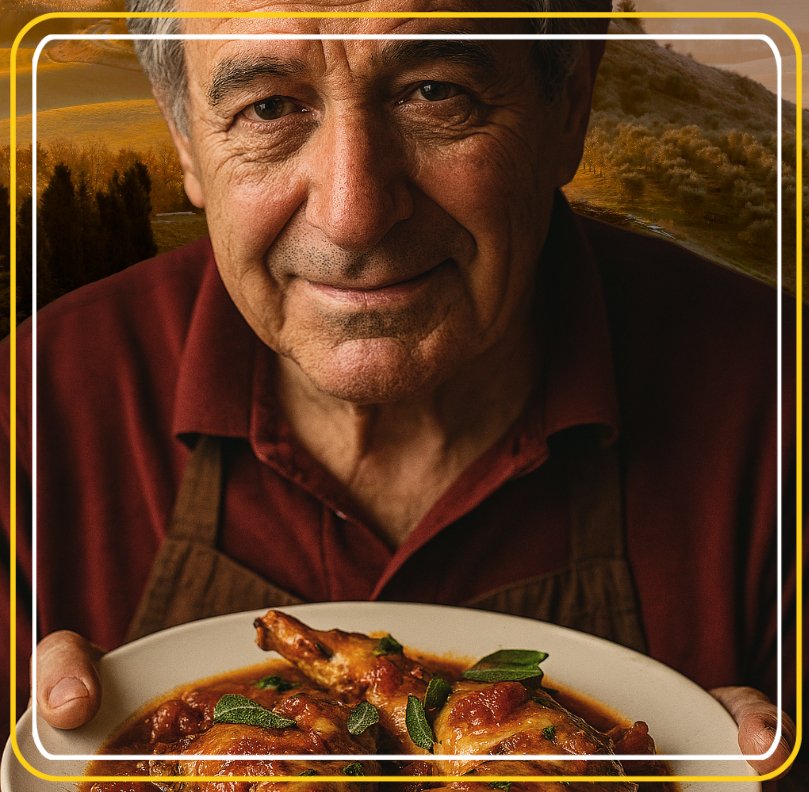
Tommaso
Home cook
Farewell and don't forget to share your rabbit journey
Whether you’re a seasoned urban homesteader or just curious, we invite you to explore the rewarding path of raising rabbits. Share your experiences, learn from others, and discover the benefits of sustainable meat production. Leave a comment below to connect with fellow enthusiasts and start your journey today.
As we wrap this up, we hope we’ve sparked your interest and given you some food for thought about the benefits of rabbit meat and rabbit farming. In these times when we’re all tryin’ to make smarter choices about what we eat, rabbits offer an option that’s good for the planet and good for your health.
Let this information be your guide as you explore more mindful food choices. Who knows? Maybe it’ll even inspire you to start your own rabbit raisin’ adventure. The future of sustainable eatin’ might just have long ears and a cotton tail.
Take care now, and let us know your own discoveries in the comments. From your two adventurous homesteaders, Tidde and Fidde