
Discover the delight of duck eggs
Step right in friend and unlock some of nature’s toughest, tastiest eggs from the humble homesteader’s heart. These little wonders ain’t just food, they’re the underrated stars of your next kitchen adventure.
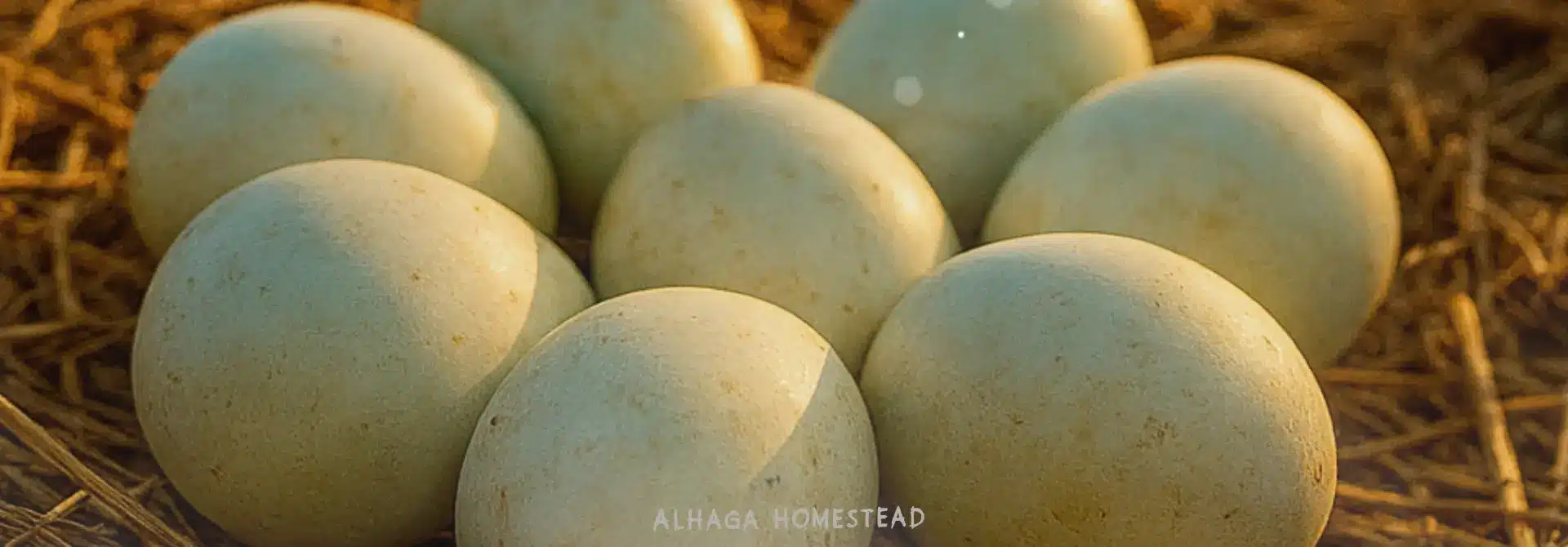
"Hidden gold"
Dear self sufficient soul, let’s take a little walk together straight into the downright enchanting world of duck eggs. Folks are always jawin’ about that famous chicken and her egg, but where are all the deep thoughts about the duck egg, huh?
Ever wondered why these golden treasures from nature don’t get near the same spotlight as their chicken cousins? Well, friend, it’s high time to lift that veil and shine a little light on one of homesteading’s best kept secrets.
Truth is, these wonderful waterfowl have been part of farms and homesteads just as long as chickens, but their eggs still haven’t really claimed their spot in everyday kitchens or in popular food culture. That’s a real shame, ’cause duck eggs are nothing short of amazing. A little over a year ago, I was just like you, curious but green as spring grass. Then one day I finally took the leap and tasted my very first duck egg… And that was it, hooked for life.
All of a sudden a whole new world of flavors, textures, and kitchen adventures opened up. Through long chats with passionate duck keepers and my own experiments at the stove, I’ve come to see duck eggs not just as a delicacy, but as a gift from nature that’s been overlook’t for far too long.
A hidden delicacy waitin’ on your plate
Picture a sunny Saturday mornin’, you’re strollin’ through the local market, hand in hand and gigglin’ with your sweetheart. Your eyes land on a carton of huge, glossy duck eggs that look like they’ve fallen straight out of a storybook. You hesitate, walk on… but something tugs you back.
Friend, that’s your gut tellin’ you it’s time to step into the magical kingdom of duck eggs. Let’s talk about why duck eggs are the best thing you ain’t eaten yet (well… not yet), and how my own duck egg journey began. If this sparks even the tiniest bit of excitement in you. Then keep on readin’ and let’s dive into these criminally underused nutrition bombs from how they taste, to how you can put ’em to work in your own kitchen.
Duck breeds for egg lovers
Now of course, duck eggs come from ducks, but there’s a bit more to it than that. Just like there are chicken breeds bred mainly for eggs, there are duck breeds that have been carefully selected for top notch egg production. The best and most reliable way to get duck eggs into your diet is to either raise your own flock or become real good friends with a duck keeper.
From what I’ve read, and from chattin’ with folks who raise both chickens and ducks, ducks are often said to be easier to keep than chickens. Unlike chickens, they don’t go scratchin’ and tearin’ up the ground like tiny feathered bulldozers. They’re also less prone to disease and can forage a big chunk of their own food if you’ve got enough land. On top of all those practical perks, they’re just plain fun to live with. Full of personality, mischief, and charm.
Embark on a delightful journey with duck eggs, where the adventure of raising ducks meets the joy of savoring their unique offerings. Duck eggs are not just a culinary delight; they are a gateway to a fulfilling lifestyle. Experience the thrill of nurturing ducks, watching them thrive, and enjoying the bounty of their hard shelled treasures. Whether you’re a seasoned farmer or a curious beginner, the world of top notch egg production promises endless rewards and satisfaction.

Year round joy in the nest box
Some duck breeds are so generous they’ll gift you eggs all year long without you havin’ to fuss with extra lights. Just imagine walkin’ out on the coldest, darkest winter morning and still bringin’ in fresh eggs for breakfast. If you’ve got enough space to raise ducklings, you can keep a few birds back and slowly build your own little flock.
If you decide to welcome ducks into your life, remember they’re social critters. Think of a small group of at least three ducks, quackin’, gossipin’, and splashin’ together. It’s a sight that warms the heart every single day.
Now, ya don’t need a drake for the girls to lay eggs, but if you do keep a fella around, make sure he’s got enough ladies to keep his spring romance spread out a bit. Some breeds have a very strong drive, so a good rule of thumb is at least three hens to one drake, so your poor girls don’t get loved halfway to pieces.
So next time you see those magnificent eggs at a market, or you find yourself dreamin’ about takin’ your homestead to the next level, don’t hesitate. Jump right into the wonderful world of duck eggs and let yourself be carried away by their flavor, their rich nutrition, and the joy ducks can bring into your everyday life.
A quack-tastic egg adventure
Let’s wander through a few of the most fascinatin’ duck breeds that can turn your garden into a full on eggstravaganza of flavors and colors. Here are just a handful to consider if you’re thinkin’ about addin’ delicious duck eggs to the menu.
Why Choose Duck Eggs?
Unique characteristics of duck eggs

Robust shells
Duck eggs boast incredibly strong shells, ensuring safe transport and extended freshness.
Nutritional powerhouse
Packed with more protein and essential nutrients, duck eggs are a superior choice for health conscious individuals.
Allergy friendly option
Many who are allergic to chicken eggs find duck eggs to be a suitable and delicious alternative.
Versatile Culinary Uses
From baking to gourmet dishes, duck eggs enhance flavors and textures, making them a home chef’s favorite.
Indian runner – nature’s walking wine bottles
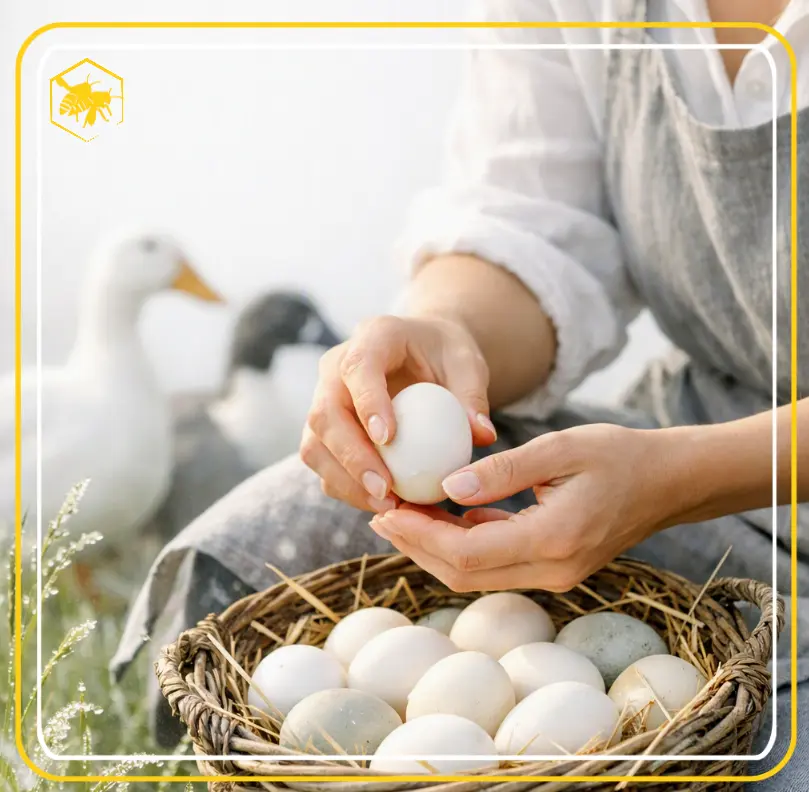
Indian runner ducks are often counted among the most productive egg layers of all duck breeds. These tall, upright, quick-steppin’ ducks are not your typical chubby waddlers. People sometimes describe ’em as “wine bottles on legs,” or like little bowling pins that learned how to run.
Back when our rabbit plans were still the top priority, we hadn’t fully agreed on which duck breed to choose, so the Runners never quite made it in. But now that it’s just me standin’ here, makin’ the calls for Alhaga, I’m a full 100% sure that when ducks finally join the homestead, they’ll be Indian Runners. My self sufficiency journey may still be young, but oh my there’s a whole lot of fun just waitin’ down the road.
Indian runners can pump out somewhere around 250 to 300 eggs a year. The catch is, they’re not too fussy about makin’ nests. They’ll pretty much drop those eggs wherever they happen to be. Keepin’ them locked in at night will usually make the morning egg hunt a good bit easier on your nerves.
Their eggs are usually white, but every now and then you’ll get a lovely blue tinted one from a darker colored duck.
Campbell ducks – the multi-talented farm artists
Campbell ducks were bred with both a meaty body and solid egg production in mind, which makes ’em a great dual-purpose breed. As with many high production layers, they’re not always the broodiest mamas, so don’t expect to be handin’ out “Mother of the Year” awards to your Campbells too often.
They lay slightly smaller eggs than some other duck breeds, but they make up for it with numbers. Usually in the range of about 250 to 350 creamy, off white eggs per year.
Magpie ducks – small bodies, big art
Magpie ducks might sit on the smaller end of the duck spectrum, but they’re eye catchers with a real talent for turnin’ weeds and insects into a colorful palette of eggs. Depending on the breeding lines, their eggs can range from green to blue to white. It’s like havin’ little living artworks in the yard that just happen to produce 220 to 290 edible masterpieces a year.
Cayuga ducks – the shimmering black pearls
Glittering Cayuga ducks don’t lay as many eggs as the real high producers, usually around 100 to 150 eggs per year. But they hold onto more of their wild instincts and will sometimes go broody and hatch their own clutch. As a bonus, they can lay eggs that are nearly black at the start of each laying season.
On top of that, this breed has another obvious plus, they’re drop dead gorgeous. That’s why they’re often kept as ornamental birds. If you’re thinkin’ about sellin’ eggs at a market, this “wow factor” can bump your prices up nicely. Even if the eggs aren’t jet black, they’ll often have a beautiful green or blue sheen that’ll turn heads, impress guests, and make them perfect as little gourmet treasures.
Muscovy ducks – the tidy homebody mamas
If you’re a person who appreciates order and structure, Muscovy ducks might just be your new best garden helpers. These responsible mamas like to keep their nests neat and lay their big, creamy jumbo eggs with care. Muscovies are a different kind of domesticated duck than most of the others, and their habits reflect that. From what I’ve heard, they really prefer a designated laying area with a deep, clean bed of straw.
Muscovy ducks are more dedicated mothers than many other breeds and will usually lay their eggs in a well kept nest box rather than sprinklin’ them all over the place.
They tend to lay fewer eggs, often around 60 to 120 cream colored eggs per year, but those eggs are usually much cleaner than the average duck egg. No matter which duck breed you fall for, you’re standin’ at the edge of a journey full of surprises, laughter, and, of course, a whole lot of jumbo sized deliciousness.
What our duck‑lovin’ readers are quacking about

Olav
I’ve been using duck eggs for my baking, and the results are phenomenal. The cakes are fluffier and have a richer taste. I can’t imagine going back to chicken eggs now.

Ella
“As someone with a small chicken egg allergy, discovering duck eggs was life-changing. I can finally enjoy breakfast without any worries. They taste amazing and are so versatile!”
Brigitte
I was skeptical at first, but after trying duck eggs, I’m hooked. They are perfect for my morning omelets, and my family loves them too.
What do duck eggs taste like?
Duck eggs are packed with flavor. They absolutely taste like eggs, but there’s an extra something in there that’s a little hard to pin down. Some folks say they taste “eggier” than chicken eggs, but honestly, you’re just gonna have to try one yourself to really understand.
In baking, that extra richness doesn’t stand out on its own, it blends beautifully into doughs and batters. Givin’ your baked goods an extra touch of luxury.
It might sound odd (since ducks are waterfowl), but duck eggs actually have a lower water content than chicken eggs. That means a simple fried duck egg can be a bit chewier in texture than what you’re used to. It’s never bothered me one bit, but if you know you’re sensitive to texture, you might wanna save the duck eggs for baking and use chicken eggs for fried.
But please, don’t let the word “chewy” scare you off. Think of it instead as a firmer, more substantial bite that gives your fried eggs a little extra character. It’s like goin’ from a simple three gear bike to a mountain bike – a bit sturdier, but a whole lot more exciting.
Are duck eggs healthy for you?
That’s a pretty subjective question, ’cause it depends entirely on what the duck’s been eatin’. Ducks kept locked up and fed only on pellets, with no chance to roam and forage, are gonna lay eggs that are far less nutritious than eggs from happy, free range ducks peckin’ around your yard and splashin’ in real puddles.
Those eggs from outdoor, foragin’ ducks are like tiny nutrient bombs – packed with the very best nature has to offer, without weird additives or chemicals. Pure, straight-up goodness right from the source.
Personally, there’s no joy for me in over analyzin’ every little piece of nutrition data like cholesterol or exact calories. If the food was raised or grown in a natural, organic way and free from added chemicals, that’s enough for me to feel good about callin’ it “healthy.”
Just imagine servin’ breakfast where the eggs are from your own ducks, collected fresh that very mornin’. The veggies were just picked from the garden, still warm from the sun. And the bread? Freshly baked, and yep, made with duck eggs. That right there is, for me, the very essence of self sufficiency and a living example of nature’s generosity. And probably one of the healthiest meals you could put on a plate.
How to use duck eggs
Use duck eggs just like you’d use chicken eggs. There’s a bit of a learning curve while you adjust your recipes to the bigger size, but you’ll get the hang of it the more you play with them.
Personally, duck eggs in pancake batter is pure magic. Picture pancakes so fluffy they’re almost floatin’ off the plate, or an omelet so creamy your taste buds just about break into a happy dance. That’s the kind of goodness waitin’ for you when you start experimentin’ with duck eggs in your favorite recipes. It may take a little patience to tweak the amounts, but believe me, the payoff is worth every second.
And hey now, don’t go tossin’ those beautiful shells. They’re not just empty leftovers, they’re like nature’s own multivitamin for both your ducks and your garden. Crush the shells as fine as you can and feed ’em back to your ducks for a calcium boost that helps them keep crankin’ out strong, wonderful eggs.
If you’re a garden lover, those shells can turn your compost and garden beds into mineral, rich heaven.
Imagine you’ve brought home your first ducks for your family’s homestead. After a while, they’re layin’ more eggs than y’all can possibly eat. Instead of panickin’, see it as an opportunity. Duck eggs are kinda like liquid gold at local markets. While regular chicken eggs barely bring in pocket change, duck eggs can give your homestead a sweet little side income.
Just think of the joy in sharin’ your abundance and givin’ your household budget a gentle boost. Even if it’s hard to get more than a few bucks for a dozen chicken eggs, duck eggs can often fetch a higher price. I’ve even heard of duck eggs being sold for around ten krons a piece at special events over here in Sweden.
Chicken eggs VS duck eggs
The first difference actually shows up long before breakfast, findin’ the eggs. Chickens usually lay in more predictable places, especially if you’ve set up nest boxes for them. Ducks, on the other hand, are a whole lot more adventurous. If your ducks are free ranging (and that’s something that gets a big, fat thumbs up from me), they might lay in the most unexpected spots. Which can turn your days into real egg hunt adventures unless you’re really in tune with their habits.
But oh, the reward… Bright, big, beautiful eggs that feel like hittin’ the jackpot every time.
It’s still best to keep them in a duck house overnight. Ducks tend to lay very early in the mornin’, so chances are they’ll have delivered their “gifts” by the time you let them out for the day.
Ducks don’t care much about mud or rain, and if they’ve got strong motherly instincts, they’ll often hide their nests with grass and leaves. Otherwise, they’ll just let the eggs drop wherever they happen to be, even in a muddy puddle. That’s why super fresh duck eggs might not look all that glamorous. If you’re gonna store them, just gently wipe ’em off. If you’re eatin’ them that same day, you can wash them properly with no worries.
Duck eggs are sometimes huge compared to chicken eggs. One single duck egg often gives more nutrition than a chicken egg because of its bigger size. It also contains more protein and fat proportionally, which, in my book, is a good thing. In my own baking, I’ve often found that one duck egg can stand in for two or even three chicken eggs.
The yolks can be a bit shockingly big the first time you see them, and they’re wonderfully firm. That high fat and protein content makes them a dream come true for any bakers.
FORT KNOX in a shell
And let’s not forget the shell itself, it’s like nature’s own Fort Knox. Thick and strong, givin’ you the freedom to transport and store eggs without frettin’. The flip side? You’ll need a bit more muscle to crack them.
My tip is to tap the egg on a flat surface, like your countertop. And don’t be surprised if you need to give it a couple of good whacks before it gives in. The inner membrane is also much tougher than in most chicken eggs, this means that even when the egg has cracked, it holds together better.
A surprising eggs-travaganza for allergy sufferers
Here comes one of the most excitin’ bits of news. If you’re allergic to chicken eggs, duck eggs might just be your way back to the breakfast table. Many people find they can enjoy duck eggs with no issues at all.
Just imagine finally bein’ able to sit down to a fluffy omelet or a creamy plate of scrambled eggs again. Honestly, I could go on talkin’ about ducks and their eggs all day long, but I’m guessin’ you’d fall asleep at some point. Still, I know for sure I’m not alone out here, there are plenty of happy duck lovers scattered all over.
Dear friend, my hope is that this little peek into the world of duck eggs has stirred your curiosity and your appetite. Why not set out on your very own duck egg adventure? Get yourself a few ducks, let them wander freely through your yard, and let yourself be surprised by the daily gifts they bring. Who knows, maybe, just like me you’ll end up utterly smitten with these magical eggs.
So what are you waitin’ for? Let the adventure begin. It’s time to discover the wonderful world of duck eggs.
What’s your favorite way to use these supersized, hard shelled, downright wonderful eggs? And which breeds would you recommend for a steady supply? Share your thoughts down below.
A heartfelt thank you from Alhaga
Dear reader, from the bottom of my heart I thank you. All the comments over the years have been like warm sunbeams, lightin’ up my days and breathin’ life into this little corner of the internet. Through your words, I’ve gotten to know so many wonderful people, and y’all have become part of Alhaga’s very soul.
This turned into quite a long post, and that’s partly because someone asked me a while back why I sometimes split my blog posts into smaller categories and shorter pieces. So here we are, standin’ at a crossroads, and I could really use your help to choose the path ahead.
Here’s the question that keeps circlin’ in my mind.
Do you prefer long, detailed journeys like this one, where we can dig deep and explore every nook and cranny of a topic? Or do you lean more toward shorter posts, little snack-sized reads where you can quickly pick out the bits that fit your day?
Let your voice be heard. Share your thoughts in the comments below. Together we can shape Alhaga’s future and build a place that feels just right for you. Your input is priceless, just like you.
Let’s paint the future of Alhaga with the colors of community, inspiration, and a whole lot of duck egg joy.
Share your favorite duck egg recipes and experiences in the comments below. Whether it’s a classic dish or a new culinary experiment, your insights could inspire others to explore the wonderful world of duck eggs. Let’s create a community of duck egg enthusiasts and celebrate these incredible eggs together.
From your duck lovin’ homesteader, Fredrik at Alhaga homestead – wishing you many happy quacks and may your egg basket be heavy.