
Embrace the Natural Drying Revolution
Harness the power of nature for your laundry
Discover the eco-friendly way to dry your clothes while connecting with the environment. Let nature take the lead in your laundry routine.
Well now, welcome back to the clothesline chronicles. Last time, we chatted about the basics of hang drying your laundry out there under the open sky,and how to get started. Today, I reckon we’re gonna take a step deeper – and I mean a step right down into the air around us. That invisible, ever present helper (or sometimes a rascal) that decides just how quick your clothes get dry: humidity.
You might’ve noticed it yourself how your wash sometimes dries up real quick on a cool winter day, but feels damp and heavy for days come late summer? That, my friend, mostly comes down to how much moisture is already in the air. And that’s exactly what we’re fixin’ to talk about today.
When the air is dry, that’s low relative humidity. It’s mighty thirsty and can soak up a heap of moisture from your clothes, which speeds up the drying. That’s why clothes often dry quicker in winter, even though the air’s colder; cold air just can’t hold as much water vapor. Now, I do need to say this: where I live up here on the coast, our winters are mostly damp and raw, while farther inland things get a sight drier, and those winter winds really do change how long the clothes stay on the line.
But when the humidity’s high, the air’s already full of water vapor, and that makes it harder for the moisture to leave the fabric. That means longer drying times, especially on muggy, still summer days, or if you’re somewhere near the coast.
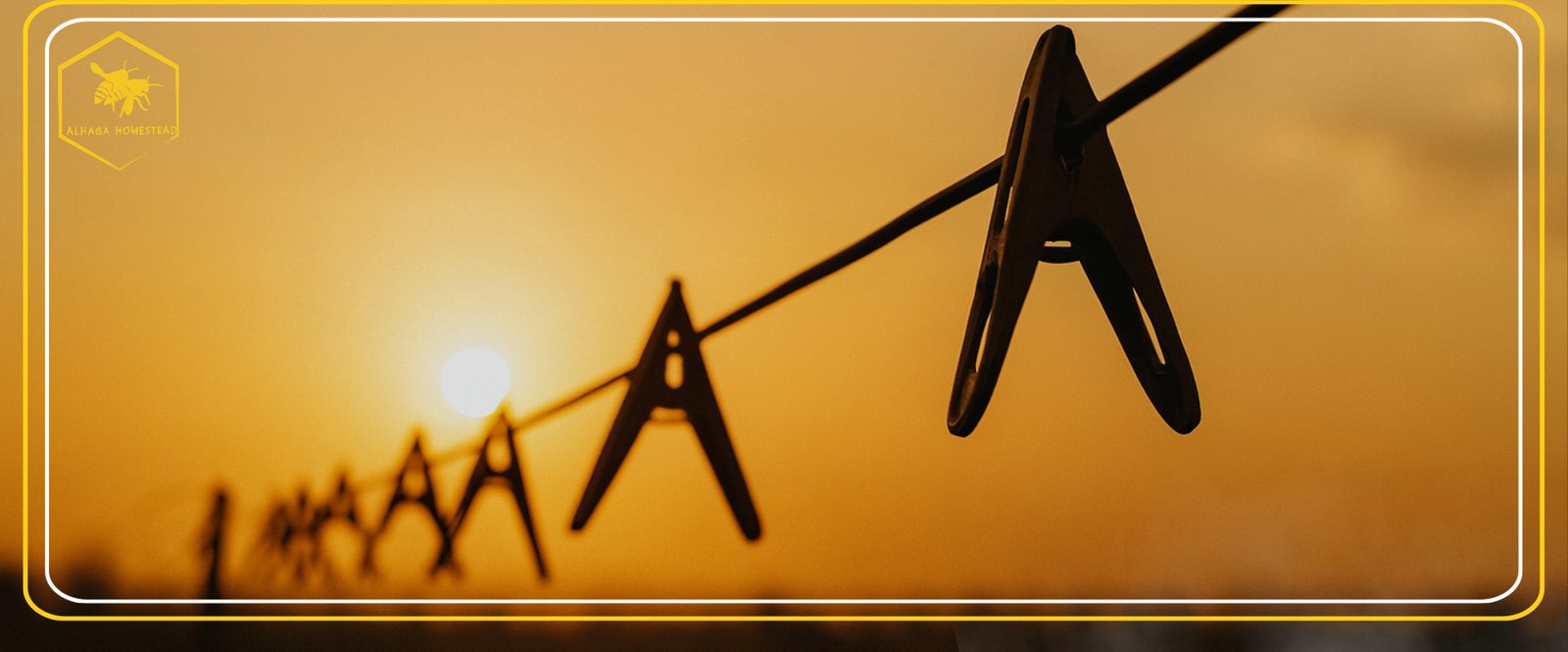
Master the elements for optimal drying
Explore how different weather conditions can enhance your line drying experience and make laundry day more efficient.
Temperature's role
Warm air accelerates drying by holding more moisture, but balance is key to avoid high humidity.
Wind's influence
A gentle breeze is essential, whisking away damp air and inviting fresh, dry air to speed up the process.
Seasonal strategies
Each season offers unique drying opportunities, from winter’s freeze-drying magic to summer’s solar efficiency.
Sunlight's power
Direct sunlight not only dries but also sanitizes and brightens fabrics, making it an invaluable ally.
How it changes with the seasons
Humidity swings with the seasons, and that’s got a big say in how fast your wash dries outside.
Summer: These hot days, the air often holds a whole lot of water vapor, which means the relative humidity can be high even when it feels dry. So your clothes might dry slower than you’d expect, especially on sticky, windless days. Still, even when the air’s thick with humidity, a nice little breeze can help by moving that damp air away from the clothes and bringing in drier air. A tip? Give each piece some breathing room out there in the sun, and keep ’em under cover from rain or heavy dew once the sun goes down.
Fall and Spring: These in between seasons bring big swings between day and night. Morning fog and dew can stretch out drying time, but on dry, breezy days, your clothes can dry right up quick, even if the air’s a bit chilly. That’s when it pays to watch the weather window and maybe plan laundry day around the forecast.
Winter: Cold winter air can hold mighty little moisture, and oddly enough, that makes it mighty good for drying, as long as your clothes don’t freeze solid. Fact is, clothes can actually “freeze‑dry” – where the ice turns straight to vapor without melting first. That takes time, but it works surprisingly well in dry, cold climates. And inside, the air often gets even drier from the furnace, which helps with drying – but can leave your skin and wooden furniture feeling a bit parched.
All in all, each season’s got its own tricks and troubles for line‑drying. When you understand how humidity shifts through the year, you can plan your laundry days smarter and make the most of nature’s own drying tools.
Other things that affect drying time
Besides humidity, a few other things can speed things up or slow things down.
Temperature: Warmer air can hold more moisture, so higher temps usually help drying – as long as the humidity ain’t too sky‑high.
Wind: A good breeze is your best friend out there. It moves the damp air away from the clothes and brings in fresher, drier air, which cuts down drying time a sight.
Sunlight: Direct sun warms the fabric and helps water evaporate faster, which can make a big difference in how quick things get dry.
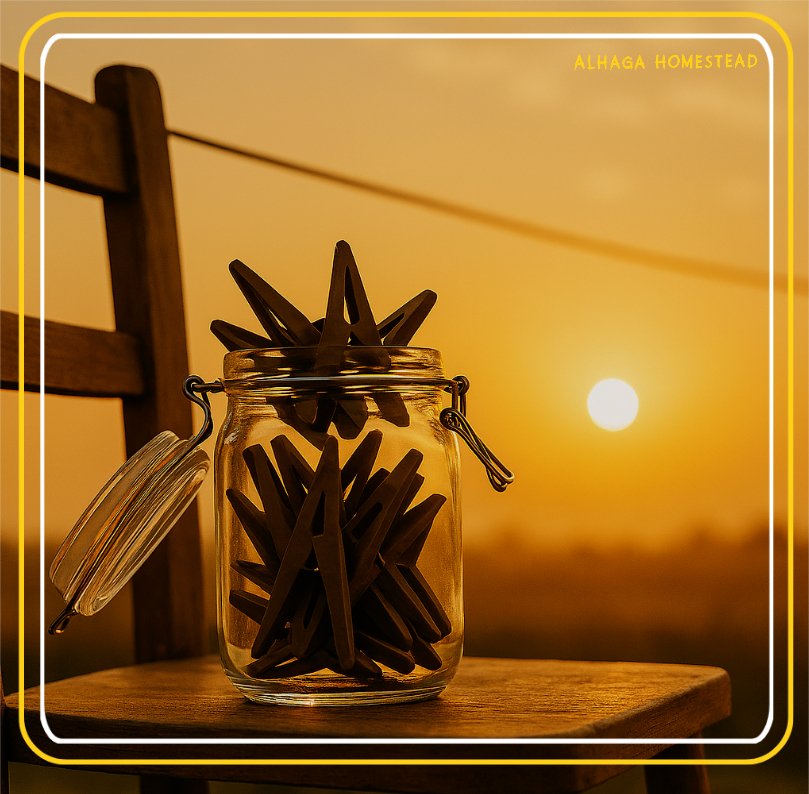
Four of the best tips for drying outside
Hangin’ your wash outside is both mighty kind on your power bill and deeply satisfying, there’s just something special about the smell of sun and fresh air in clean clothes. Here are four ways to get the very most out of your clothesline, all year round:
1. Pick the right day. Keep an eye out for days when the humidity’s low and there’s a bit of a breeze. Air that’s moving helps pull moisture away from the fabric faster, and you’ll see your clothes dry right up in no time.
2. Give your wash some space. Don’t let the clothes hang too close together. Good airflow is everything. The more freely air can move around the clothes, the more even and quick the drying’ll be.
3. Use the sun. A sunny day is your best drying buddy! The UV rays don’t just dry the fabric; they help bleach and disinfect, too. Perfect for sheets, towels, and white clothes.
3. Dry all year round. Don’t forget about winter! Cold air often holds very little moisture, so your clothes can actually dry even when it’s below freezing. The clothes will freeze first, but the moisture slowly leaves as frost turns straight to vapor – a near‑magical trick of nature.
Let nature do the work
The world outside gives us the finest drying tools there are, it just helps to know how to use ’em. When you understand how humidity plays into drying time, you can plan your laundry smarter, and enjoy that natural freshness that only line drying can give. It’s not just about dry clothes; it’s about living more in tune with the rhythms of nature, and saving energy and resources while you’re at it.

Share Your Story
Engage and share your tips
Dear reader, I’d truly love to hear from you, do you hang your clothes out there? How does it work for you through the different seasons? I’d be mighty grateful if you’d share your stories in the comments, whether it’s about sunny drying days or stubbornly damp stretches. Here at Alhaga homestead, we’re building knowledge together, and every little bit of experience can inspire someone else on their journey toward a more self‑sufficient life. Keep the conversation going, and if you see a question that you know the answer to, don’t hesitate to reach out a helping hand.
In the next chapter, Chapter 3 of the clothesline series, we’ll have a look at the less than perfect side of line drying outdoors. Because even nature’s methods come with their own challenges.
Ps. As an Amazon Associate, I earn a small commission from qualifying purchases. It doesn’t cost you any extra, but it helps support this blog so I can keep creating and sharing content. Thank you for reading, for supporting this little homestead, and for being part of our community here at Alhaga homestead.