
A natural approach
Discover how to protect your home and garden with humane and eco-friendly solutions that ensure safety and peace of mind.

Effective bait and trap placement
Learn how to strategically place baits and traps for optimal rodent control.
1
Identify rodent pathways
Observe and identify common rodent paths along walls and hidden areas.
2
Select appropriate bait
Choose bait that is appealing to rodents, such as peanut butter or nuts.
3
Strategic placement
Place traps and baits in high-activity zones, ensuring they are not moved frequently.
Welcome back neighbor, and warm welcome back to part three and the final chapter of our little journey through natural pest control in the home. Now let’s take a closer look at the cleverest tricks for dealing with our tiny, uninvited guests in a way that’s both effective and responsible.
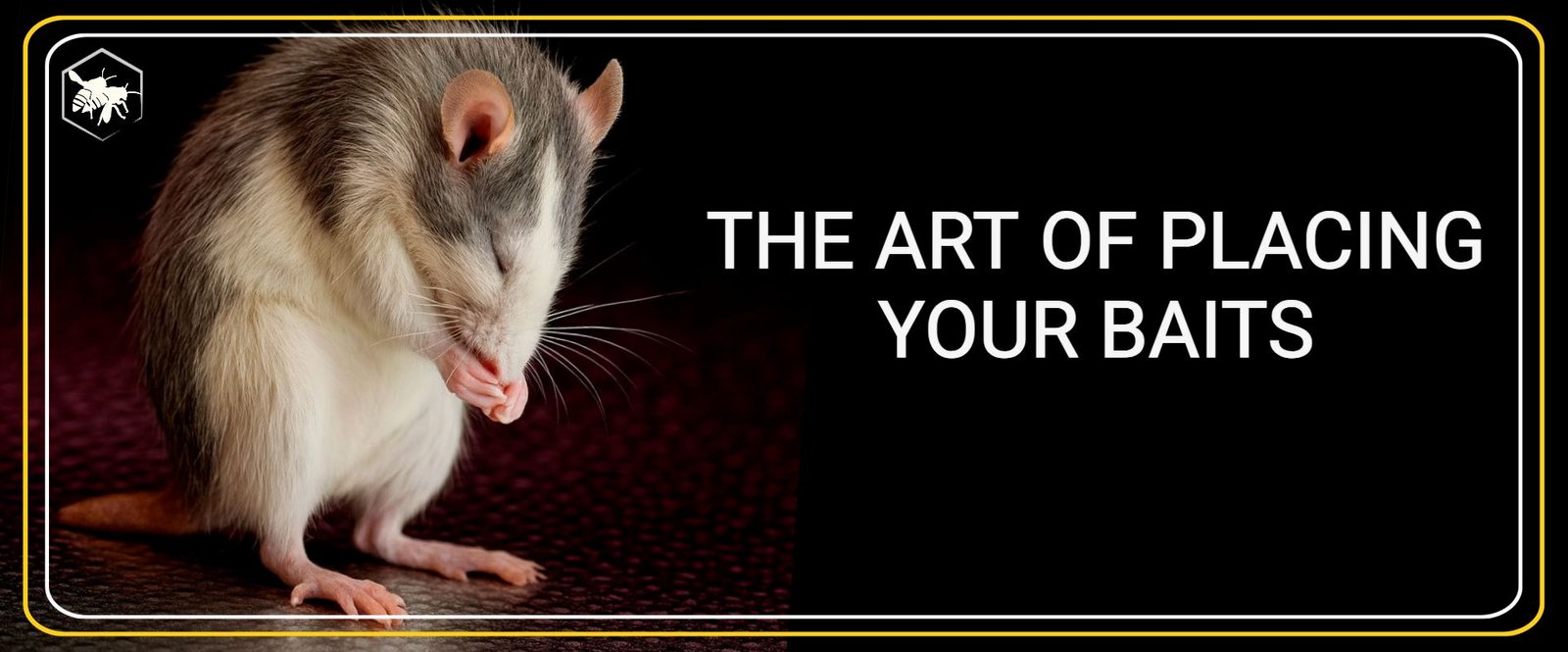
The art of placing your baits
Think of your home as a maze, with rats and mice as the uninvited guests sneakin’ through it. These little critters may not see all that well, but they’re mighty cautious. They stick close to walls, hug the shadows, and avoid open spaces like little ninjas on a mission.
Here’s where your secret weapon comes in, place your baits strategically along these gnawers’ hidden pathways.
Picture yourself settin’ a full on feast for your unwelcome visitors. Put out several bait stations about two meters apart, and let the critters do the rest.
The power of scent and rodent behavior
Scent plays a huge role in how well your control efforts work. Rats and mice have an incredibly sharp sense of smell and can pick up odors we humans barely notice. Including faint traces of human scent on traps, baits, and equipment. They use smell to navigate, communicate, find food, and sense danger, so the wrong smell in the wrong spot can make them suspicious and keep them away from your traps.
Rodents “read” their world through scents, especially urine and scent markings from other individuals and groups. Unfamiliar smells – especially strong human odor, perfume, laundry detergent, or harsh chemicals can make them avoid a new trap or bait for days. At the same time, familiar smells from their usual routes, nests, or feeding spots create a sense of safety and make them more likely to step up and take a bite.
Practical scent wise tips
Wearing gloves when you handle bait containers and traps reduces the amount of human scent you leave behind and makes the setup feel more “neutral” to the rodents. Disposable gloves or clean work gloves that haven’t been soaked in strong chemicals or perfumes work best.
I often use materials from around the homestead that already carry a bit of rodent scent. Cardboard scraps, insulation, or wood from places they’ve already been. That way, my own smell gets masked and replaced with something they’re already used to.

For your future success
Using the recommended bait and placement tips in this weeks post would most likley get rid of the mice in your garage.
The natural methods suggested worked wonders. I personally noticed a significant decrease in rodent activity within a week.
You may be skeptical at first, but following the steps outlined, your rodent problem can be solved without harsh chemicals.
I really appreciate the humane approach to rodent control. It’s been super effective and easy to use at my homestead. What was your best takeaway from this week’s bait pest control?
If this post helped ya, let me know in the comments! Your questions and experiences make it easier for other homesteaders to gain confidence and tackle similar challenges.
By followin’ this advice on trap placement, you could catch more rodents in a week than you’ve seen in months.
Scents that scare, and scents that lure
Some strong smells, like certain essential oils, heavy duty cleaners, or strongly perfumed products, can make rodents extra cautious around a trap. That’s why it’s often smart to avoid intense cleaning with perfumed products right where you plan to place your baits. Instead, focus on keeping the area clean around the bait so the bait itself becomes the most attractive scent in the spot.
On the flip side, foods with strong fat, nut seed mixes, suet, leftover animal feed, or rich, protein‑heavy smells like peanut butter can help drown out faint traces of human scent and still pull the rodents in.
Environment, routines and consistency
For rodents, a stable environment without sudden changes in smell, light, or noise usually feels less threatening. That means they’re more likely to interact with a new trap.
If you place traps along their natural runways where you’ve already seen droppings, gnaw marks, or urine trails then you’re using their existing “scent highways.” This is much better than instead of trying to drag them into a totally new setting. By consistently minimizing human scent and letting traps and baits blend into their scent landscape, you increase the chances that they’ll quickly accept them as part of the daily routine — until it’s too late.
The fascinating physiology why rodents can’t burp or throw up
Now we come to the truly mind blowin’ part of our rodent saga. Did ya know that rats and mice can’t vomit? Sounds like a weird little fact, but it’s actually the key to why this kind of bait can work.
Vomiting is a protective reflex that helps other animals get rid of harmful substances. Rodents including rats, mice, rabbits, and guinea pigs can’t vomit because of a combination of physical and neurological traits that block this reflex.
When researchers studied the brainstems of lab mice and rats and gave them drugs that normally trigger vomiting in other animals, they saw far less mouth, throat, and shoulder activity than you’d expect. That suggests rodents simply don’t have the brain circuits for vomiting.
That’s also why traditional rat and mouse poisons work so well: once the critters swallow the bait, they can’t throw it back up.
Nature’s irony
While we humans can rid our bodies of unwanted substances by throwing up, our little gnawers don’t have that lifesaving reflex. It comes down to a fascinating mix of body design and brain chemistry. Think of their diaphragm as a weak muscle and their stomach as a one way street, nothing goes back up. Their brains also lack the special circuits that trigger the vomiting reflex. It’s almost like nature forgot to install an emergency exit.
The rodents’ clever workaround
Don’t worry though, rodents have developed some clever alternative ways to avoid or deal with toxins. They pay close attention to taste and will avoid substances that make them feel sick. If they do eat something harmful, they may eat clay to help absorb the toxins, which keeps their bodies from taking them in.
This behavior, called pica, is when they eat non‑food substances like kaolin (clay). It’s a sickness‑response behavior in rats that’s similar in function to vomiting in other species, and it can be triggered by some of the same mechanisms.
Find more good ole‑fashioned homestead posts
PERSONAL HABITS – PART 1/4

Atomic Habits is like a treasure chest full of insight.
THAT VERY FIRST STEP

You might’ve already taken the first step without even realizin’ it.
URBAN HOMESTEADING

Growin’ slow and steady – brews a calmer, deeper rhythm.
The science behind the method
Without gettin’ too deep into the technical weeds, we can say this. Baking soda, or sodium bicarbonate has a special trick when it meets acids. For our little four legged friends, that means when they eat the baking soda, it reacts with the acid in their stomachs in a way that turns out to be deadly for them.
Research suggests that for a mouse weighing 20–25 grams, about 70–80 mg of baking soda is enough to do the job. For a rat around 350 grams, it’s more like 150–200 mg. That may sound like tiny amounts, but it’s roughly equivalent to about a tenth of a teaspoon of water in weight. The important thing is that this method works quickly and relatively humanely.
Think of the bubbles that form when you pour vinegar over baking soda. A similar reaction happens inside the rodents’ stomachs, leading to a fast and relatively gentle process.
The most common mistakes to avoid
Here are the 5 biggest mistakes most folks make when placing rat and mouse baits or traps. And how you can fix them with just a few simple tweaks for maximum effect.
Wrong placement
One of the biggest mistakes is putting baits in the wrong spots. Rodents instinctively stick to walls, shadows, and cover — not out in the open.
Avoid: Placing baits in the middle of open floors or on bare tabletops, they’ll just run right past.
Do this: Place them along walls, in corners, behind furniture, or near gnaw marks, droppings, and greasy smears. Put them along their “runways” to use their natural routines.
Don’t move the baits around too often, rodents need time to get used to them as a safe food source. Wait at least 3–5 days before making adjustments.
Too few baits
Using too few baits is a classic beginner mistake, rodents easily find other food sources.
Better safe than sorry: Place baits about 1–2 meters apart in active zones like pantries, garages, or barns.
For your home: Start with 5–10 baits per 50 square meters and refill them daily until catches drop.
Wrong type of bait
Cheese actually doesn’t work all that well in real life — that’s mostly a cartoon myth. Rodents prefer fatty, sticky, or strongly scented options that cling to their whiskers and noses.
Best choices: Peanut butter (sticky and pungent), nuts, chocolate, fruit pieces, oatmeal mixed with suet, or leftover animal feed.
Avoid: Dry rice, plain cereal, or weak smelling foods that can’t overpower your human scent.
Wrong handling
Your human scent can scare rodents away, a hidden mistake that can ruin everything.
Always wear gloves: Use clean latex or cotton gloves, or materials from their nests (like old cardboard) to mask your smell.
Extra tip: Let the baits sit undisturbed for 24 hours after placement so they can pick up the local scent of the surroundings.
Impatience and poor follow‑up
Many folks give up after 2–3 days, but rodents are smart and test new things cautiously.
Give it time: Wait 7–14 days for the best results. Check your traps and baits daily without disturbing their placement.
Keep track: Note droppings, gnaw marks, and catches — only move things when needed, and record your progress so you can see patterns.
By avoiding these mistakes and staying patient, you’ll greatly increase your chances of clearing your homestead effectively. Protecting your crops and bees, and all without any harsh poisons.
Rodent control FAQ:s
Find answers to some of the most common questions about managing rodent infestations.
What is the best bait for mice?
Peanut butter is highly effective due to its strong scent and sticky texture, making it hard for rodents to resist.
How often should you check your traps?
Check traps daily to ensure they are functioning and to remove any captured rodents promptly.
Can I use other natural methods for rodent control?
Yes, using baking soda mixed with food can be an effective and humane method to control rodent populations.
How do I know if I have a rodent problem?
Look for signs like droppings, gnaw marks, and greasy smears along walls and floors.
Is it safe to use this traps around pets?
Use caution and place traps in areas inaccessible to pets to prevent accidental harm.
How can I prevent rodents from entering my home?
Seal entry points, keep food sealed, and maintain cleanliness to deter rodents.
A gentle call to action
Dear gardening enthusiast, you’ve now got a whole toolbox in your hands. And a real peek into the fascinating world of rodents. You know why rats and mice are a health risk, how baking soda can become a kinder solution for amphibians and predators, and how to make and place your own natural baits in a smart, thoughtful way.
Dear gardening enthusiast, you’ve now got a whole toolbox in your hands. And a real peek into the fascinating world of rodents. You know why rats and mice are a health risk, how baking soda can become a kinder solution for amphibians and predators, and how to make and place your own natural baits in a smart, thoughtful way.
Dear gardening enthusiast, you’ve now got a whole toolbox in your hands. And a real peek into the fascinating world of rodents. You know why rats and mice are a health risk, how baking soda can become a kinder solution for amphibians and predators, and how to make and place your own natural baits in a smart, thoughtful way.