
Embrace the rhythm of nature with the scythe
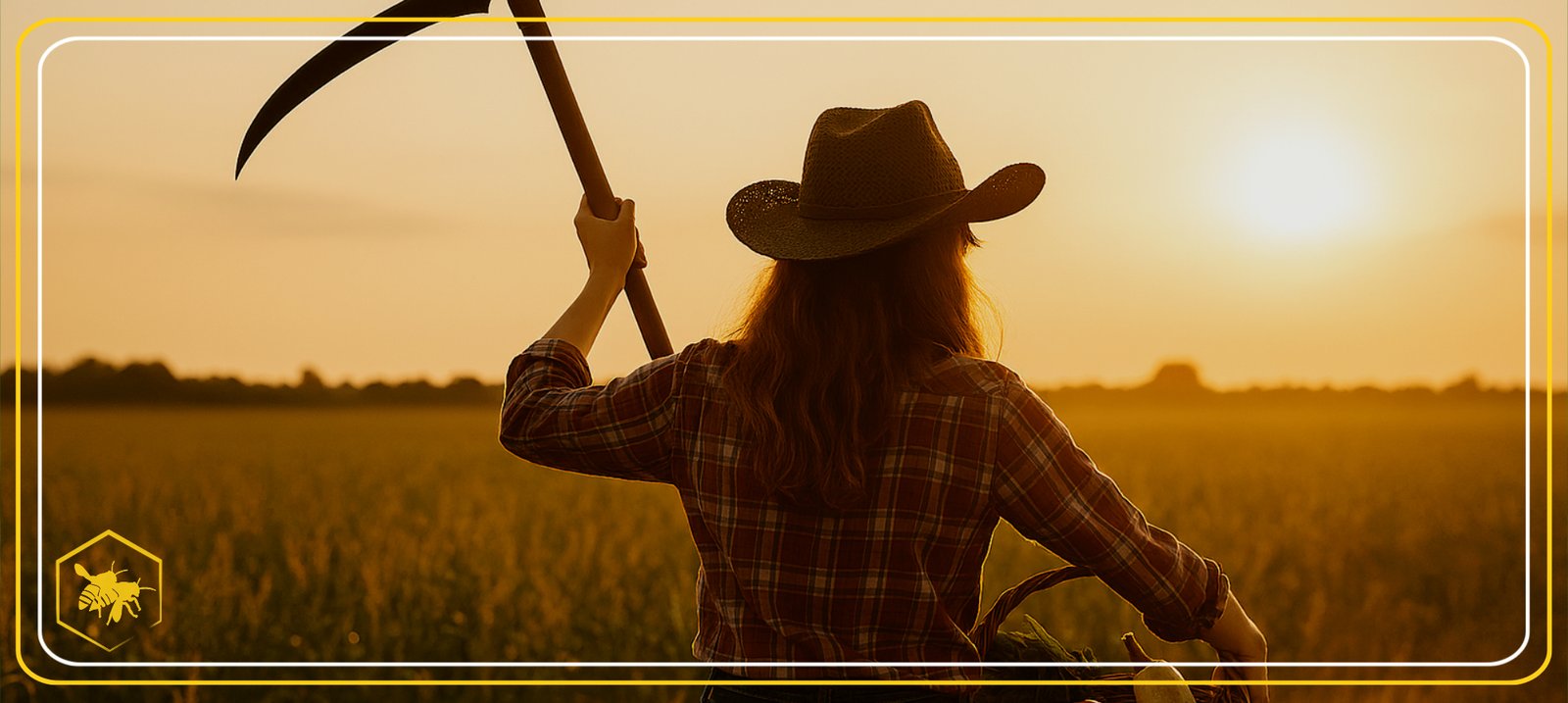
Welcome to the magical world of homesteading, where every tool’s got a story to tell and every chore brings you a little closer to nature’s own rhythm. For this week’s final blog post, I’d love to take you on a journey through the waving sea of grass and introduce you to one of the most beloved, sometimes overlooked, but always respected tools in the garden, the scythe.
More than just a tool
A scythe is so much more than a way to cut grass, it becomes an extension of your body, a dance partner in your give and take with the land. Maybe you don’t need a golf-course-smooth lawn out in the country, but even the wildest meadow needs a little taming now and then. With a scythe in your hands, the work isn’t just efficient—it’s downright meditative. That swish as the blade glides through the grass is music for the soul, a reminder of our deep-rooted bond with the earth.
Outshining modern machines
Did you know the scythe often outperforms modern machines when it comes to tackling tall, thick grass? Where a trimmer line gives up and a motor sputters, the scythe keeps on working with both power and grace. No gas, no batteries, no cords—just your own energy and presence.
My own journey with the scythe
I’ll admit, it wasn’t love at first swing. Those first sessions gave me blisters and sore muscles in places I didn’t even know I had. But over time, the friendship grew, and now my scythe is a trusty companion here at Alhaga. It brings not just utility, but joy and pride in working with nature on her own terms.
As I dream about adding rabbits for meat to my little farm, I know the scythe will be invaluable. It doesn’t just keep the grass in check. It also provides fresh, nutritious fodder for the animals, all without the noise and fumes of machines.
Tips for choosing the right scythe
Tips for choosing the right scythe. If you’re tempted to give this timeless craft a try, keep these tips in mind:
Length: The handle (snath) should reach about up to your shoulder. A well-fitted scythe makes work easier and more ergonomic.
Weight: A lighter scythe is great for beginners or for long, intensive sessions.
Blade Quality: Invest in a high-quality blade, it’ll stay sharp longer and give you better results.
Ergonomics: Make sure the handles are comfortable and set up right for your build.
I recently heard about a version called the “Knack” scythe, designed to be lighter and easier for beginners, with a bowl-shaped edge that’s supposed to work especially well on uneven ground and help avoid rock damage. I haven’t tried one myself, but it’s worth keeping an eye out for if you’re curious.
An invitation to a simpler life
Friend, I truly encourage you to give the scythe a chance. It’s more than just a tool. It’s a path to a quieter, more grounded, and sustainable way of living. Let the scythe be your guide to a deeper understanding of nature and your own place in the cycle. Pick up your scythe, find your rhythm, and let yourself get swept up in this timeless dance. Who knows—maybe, like me, you’ll fall in love with both the craft and the freedom it brings.
That’s all for now. Soon, we’ll be exploring more must have tools that make homesteading both easier and more rewarding. Please share your own experiences, tips, and questions in the comments below. Together, we’re building a strong and helpful community for everyone who wants to live closer to nature.
With warm garden wishes,
Fredrik