
Discover the Power of Nature's Hidden Gem
Hey there dear friend. Welcome to a wild and wonderful journey through the world of nettles. I’m mighty glad you found your way to my little corner of the internet. If we haven’t met yet, I’m Fredrik, and my biggest passion in life is growin’ right alongside mother nature herself.
Nutritious superfood
Did ya know nettles have more iron than spinach? They’re also loaded with vitamin C, calcium, magnesium, and protein. Young leaves are especially rich and work great in soups, teas, smoothies, or even as a garden fertilizer.
Medicinal uses
Nettle’s been used for everything from arthritis to allergies. And it ain’t just the leaves, nettle root’s gotten high marks, especially for helpin’ with benign prostate enlargement. Some studies say nettle root extract can be just as effective as certain medicines.
Other perks
Anti-inflammatory properties
Supports urinary health
Can help lower blood pressure
Eases allergy symptoms
Fun fact: Serotonin, which we usually think of as the “happy hormone,” is actually an irritant when it’s delivered by a nettle sting.
A word of caution: Nettle stings can cause swelling, itching, redness, and pain. Be careful the first time you handle ‘em and get to know how your body reacts.
Nettle – the plant that both stings and heals
Let’s dig in together and explore this legendary plant that’s got folks both wary and curious, stingin’ and healin’ in equal measure. Today, we’re takin’ a deep dive into the secret life of the stinging nettle and uncoverin’ its hidden treasures. It’s a plant that’s just as likely to be cursed as it is celebrated. I’ve got a few spots out back where I let my nettles grow wild, and this year I’m fixin’ to harvest extra so I’ll have plenty to last all winter.
Before we get started, just a quick heads up: as an Amazon Associate, I earn a small commission from qualifying purchases through certain links on this blog. It doesn’t cost ya a penny extra, but it sure helps me keep sharin’ my stories and recipes. Thanks for your support.
Unlock the benefits of nettles
The history & biology of the stinging nettle
The stinging nettle (Urtica dioica) gets its name from the Latin urere, meanin’ “to burn.” The species name dioica means it’s got separate male and female plants. Picture this: it’s a sunny summer day, and you’re wanderin’ along the edge of the woods when you feel that familiar tingle on your bare legs. Instinct says jump back, but behind that prickly exterior lies one of nature’s most versatile gifts.
For thousands of years, the nettle’s been a faithful companion to humankind. From ancient Egypt to Roman soldiers, folks have used this plant for both healin’ and keepin’ warm.
A plant with many faces
Looks & Habitat:
The stinging nettle is a perennial found all over the world, North and South America, Europe, Asia, and Africa. It can shoot up to five feet tall, with dark green, pointed leaves and saw-toothed edges, a perfect symbol for its double nature. Both protective and nourishing. Nettles thrive in moist, rich soil and are a sure sign of fertile ground.
The stingin’ mystery:
So what’s behind that famous sting? Nettles are covered in tiny, hair-like structures called trichomes, each packed with a chemical cocktail. When you brush against ‘em, the tips snap off and inject a mix of histamine, acetylcholine, serotonin, and a bit of formic and oxalic acid. Turns out, it ain’t just formic acid doin’ the work, like folks used to think.
The hidden treasures of nettles
Beneath that prickly surface, nettles are loaded with nutrition and healin’ powers. Folks have used ‘em in folk medicine for centuries, and modern science is startin’ to back up a lot of those old remedies.
Lookalikes: Be careful not to mix up stinging nettle with white dead-nettle (which is fuzzy and doesn’t sting) or the small annual nettle (which rarely gets over 16 inches tall). Neither is poisonous, but they sure don’t pack the same punch.

Growin’ your own nettle patch
Growin’ nettles at home is easy and a great way to put nature’s bounty to use. Here’s a few tips to get started:
1. Pick a moist, rich spot in partial shade.
2. Plant in spring or fall.
3. Add plenty of well aged composted manure
4. Water during dry spells.
5. Harvest young leaves regularly for the best taste and nutrition.
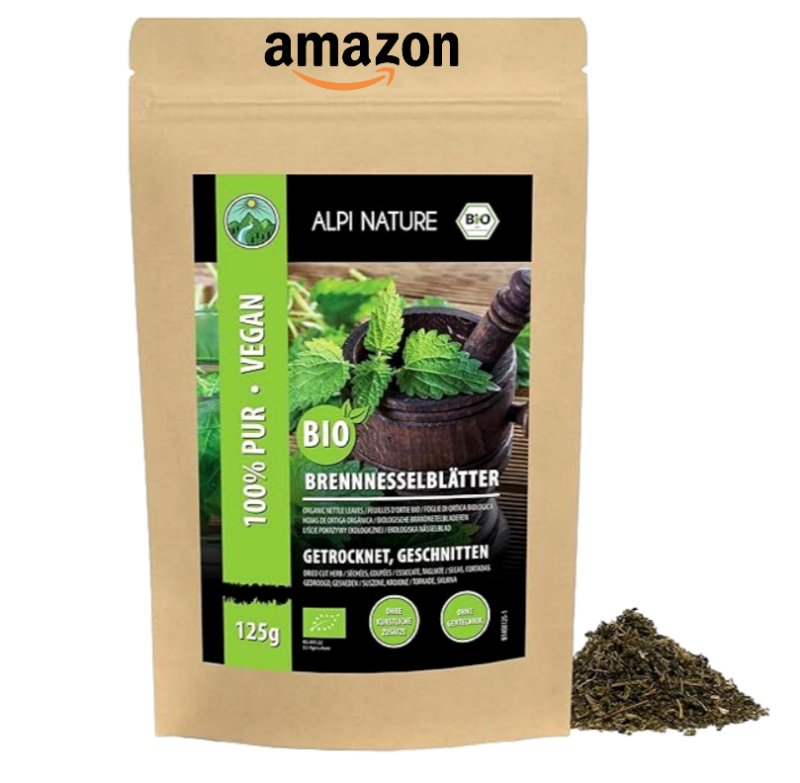
6. Don’t have any nettles? You can buy dried nettles or seeds online these days.
Celebrate the Nettle
An invitation to nettle appreciation
Dear friend, let’s give nettles the love they deserve. Next time you run into this misunderstood plant, look past the sting and see its real value. Try nettle tea, nettle soup, or even a nourishing hair rinse. Share your own nettle stories, recipes, and tips in the comments below. Together, we can inspire each other to make the most of this amazing plant. And by the way, what was your best takeaway from today’s post?
Don’t forget, tomorrow we’ll be diggin’ even deeper into the medicinal mysteries of nettles. You won’t wanna miss the next chapter in our little nettle saga.