
Ways to incorporate shrubs in your permaculture and forest garden design
Y’all, welcome to the third part of our blog series ’bout the enchanting world of forest gardens. Today, we’re fixin’ to take y’all on an exciting journey into the magical realm of the shrub layer. We’re gonna spill the beans on the mysteries and wonders of this vital layer, nestled between the lush canopy of tall tree crowns and the thriving herbaceous kingdom.


Come along as we explore the hidden gems of the shrub layer. As we dig deeper into this topic, you’ll uncover a treasure trove of benefits these shrubs bring to their surroundings. From anchoring the soil with their roots to creating windbreaks, these plants play a crucial role in maintaining balance and harmony in your forest garden.
Adding shrubs to your forest garden design will boost its diversity, resilience, and productivity. Here are some ways to effectively integrate shrubs into your setup:
Shrub layer strategy: Use the shrub layer strategically between tree crowns and the herb layer to create a diverse ecosystem that mimics natural forests. This layering will give you different zones for plants and critters to thrive in, contributing to a balanced and flourishing forest garden1.
Companion planting: Pair up shrubs with other plants that complement each other in terms of growing habits, nutrient needs, and pest control. This symbiotic relationship will improve the overall health of the forest garden and increase yields.
Edible choices: Pick shrubs that produce fruit or berries to add a valuable food source to the ecosystem. Incorporating edible shrubs not only diversifies the harvest but also attracts pollinators and wildlife, contributing to a more vibrant and self-sustaining environment.
Medicinal collaboration: Explore the collaboration between medicinal herbs and shrubs in the forest garden. By understanding the properties and uses of various herbs and shrubs, you can design a garden that promotes holistic health and well-being. This collaboration can lead to a rich tapestry of plants that not only provide food but also serve as natural remedies for various ailments.
Wildlife habitats: Choose shrubs that provide shelter, food, and nesting sites for birds, insects, and other wildlife. By creating a welcoming habitat for various species, you can promote biodiversity and create a balanced ecosystem within your forest garden.
Soil health: Some shrubs have deep root systems that help improve soil structure, prevent erosion, and enhance nutrient cycling. By incorporating shrubs with beneficial root systems, you can promote soil health and fertility in your forest garden.
Windbreaks and microclimates: Planting shrubs strategically can create windbreaks that protect more sensitive plants, as well as establish microclimates that support a wider range of species. By leveraging the windbreak and microclimate benefits of shrubs, you can optimize growing conditions and increase your forest garden’s overall resilience.
Unlock your imagination
By thoughtfully and strategically integrating shrubs into the design of a forest garden, you can create a dynamic and sustainable ecosystem that thrives with diversity, productivity, and ecological harmony.

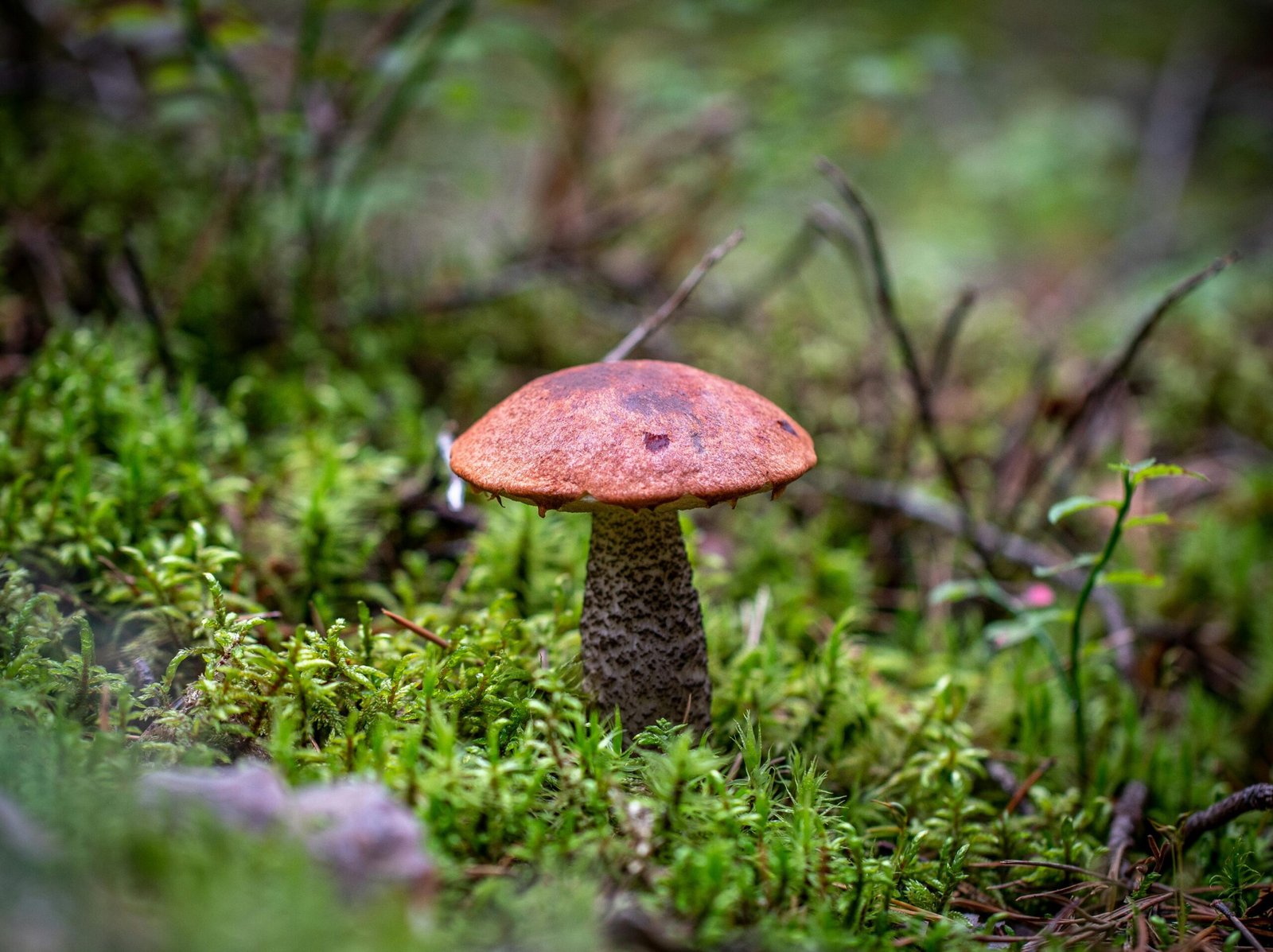
How shrubs help prevent soil erosion
Shrubs are much more than just greenery in a woodland garden, they’re the backbone of the land, true guardians of rolling hills. With roots dug down deep like granddaddy’s porch posts, they anchor the soil and hold tight when the wind comes rushin’ and the rain starts to dance. These quiet heroes keep the earth from wanderin’ off, ensuring your land stays rich and fertile for generations to come.

Underneath, their roots weave through the dirt, making little highways for water to trickle down slowly. Just like a mountain stream meandering through a hollow. Instead of water rushing off and taking the good earth with it, these shrubs encourage it to settle in and soak, giving life to thirsty plants and keeping the garden strong even through a dry spell.
The leafy branches work their magic up top, too. When a summer downpour hits, those leaves greet every raindrop slowing them down. Much like a slow Southern hello, so the dirt beneath ain’t washed away. Their dense thickets soften the wind, keeping that dry, powdery soil from skipping off, carried by the breeze.

Tips to boost shrub power against erosion
Plant on them slopes and banks. Where the land’s likely to slip or wash, shrubs are your best bet for holding it together.
Mix it up with different kinds. No single shrub does it all, a mix is stronger,. Just like a good potluck.
Create hedgerows around your garden beds and pathways. They’re barriers against runoff and cozy little wildlife highways.
Leave those fallen leaves lie. It’s nature’s own mulch, keeping moisture in and dirt where it belongs.
Layer with low growing herbs or wildflowers. Let ’em fill in the gaps so there’s no bare ground for erosion to find.
In short
Shrubs are like the unsung gospel singers of your garden, holding the harmony deep in the soil. Sheltering the earth from wind and rain, nurturing a landscape that thrives season after season. Whether you’re tending a patch in the shadow of the Smokies or coaxing berries by the Cumberland, give thanks for these steadfast anchors. To plant and care for shrubs is to honor the land itself, and that’s just good country sensibility.
So next time you’re wanderin’ through your own forest garden paradise, remember to give these green heroes a nod. They’re holdin’ the secrets to a thrivn’ and resilient ecosystem.
Keep your peepers peeled for our next adventure when we discover the wonders of the herb layer. Until then, let’s celebrate these mighty shrubs that keep our forest gardens bloomin’.