FREQUENTLY ASKED QUESTIONS ABOUT GARDENING AND CULTIVATION

Welcome to Alhaga's knowledge bank
Gardening is rarely about doin’ everything perfectly. It often begins with a simple question: Why aren’t things growing well here? Does the soil need improvement? How often should I water? Or, when is actually the right time to prune a tree?
In the FAQ section below, you will find guides and answers to common questions about gardening, veggies patches, soil health, fruit trees, and sustainable cultivation.
The content is based on experiences from the Alhaga homestead – as well as insights from passionate, like minded individuals and it is rooted in the principle of working with nature rather than against it.
Select the question that interests you and delve deeper into the topic.
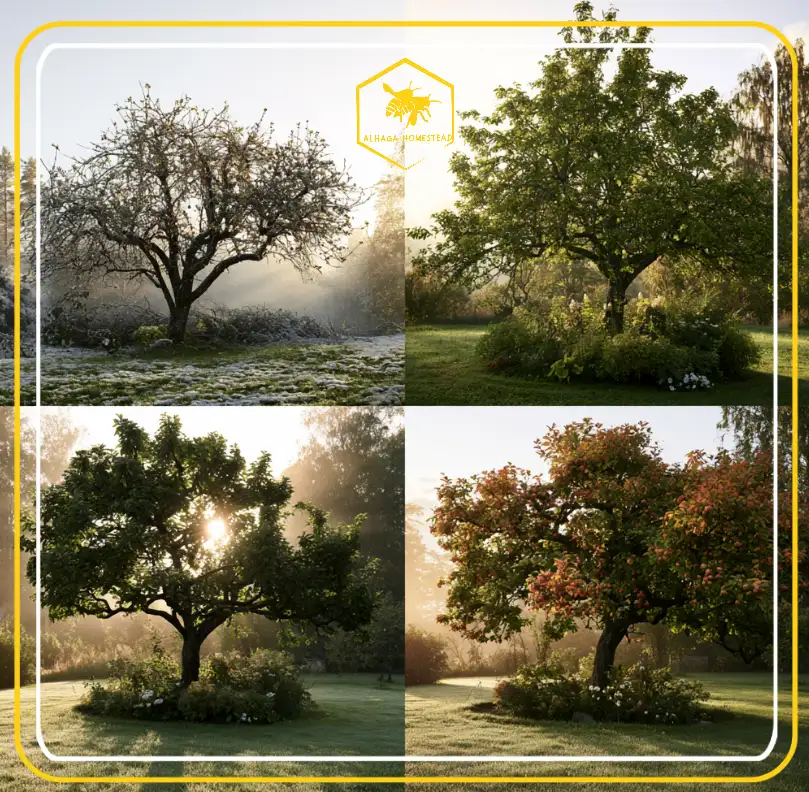
When should I prune my trees?
The short answer is: It depends on the type of tree and what you’re hoping to accomplish with your pruning.
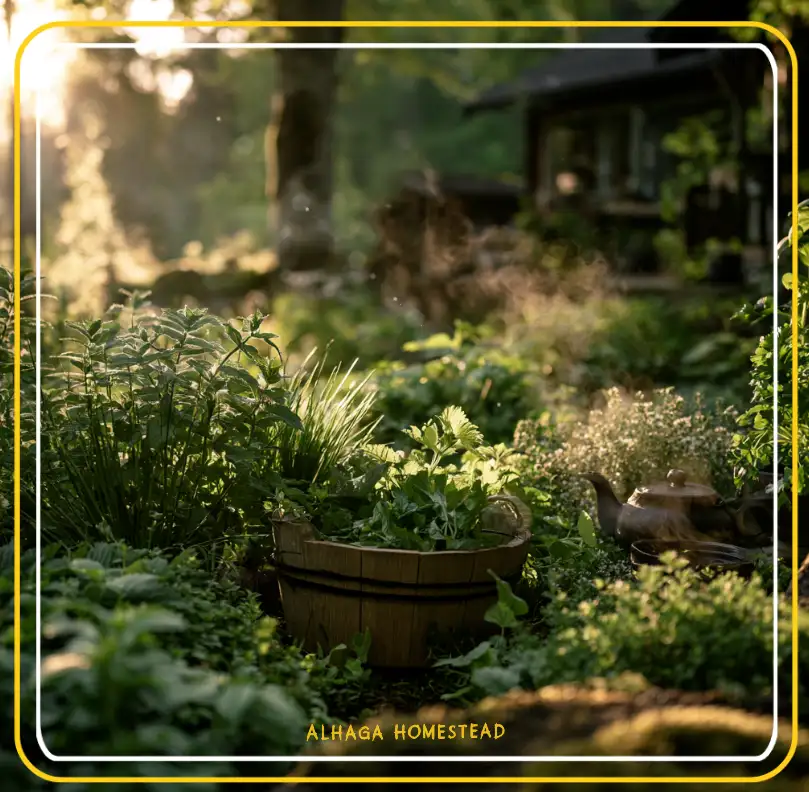
What are the best herbs to start growin'?
Many gardening guides list basil, oregano, thyme, and other classic kitchen herbs as the best choices for beginners. And to be fair, a lot of them are easy to grow and incredibly useful in the kitchen.
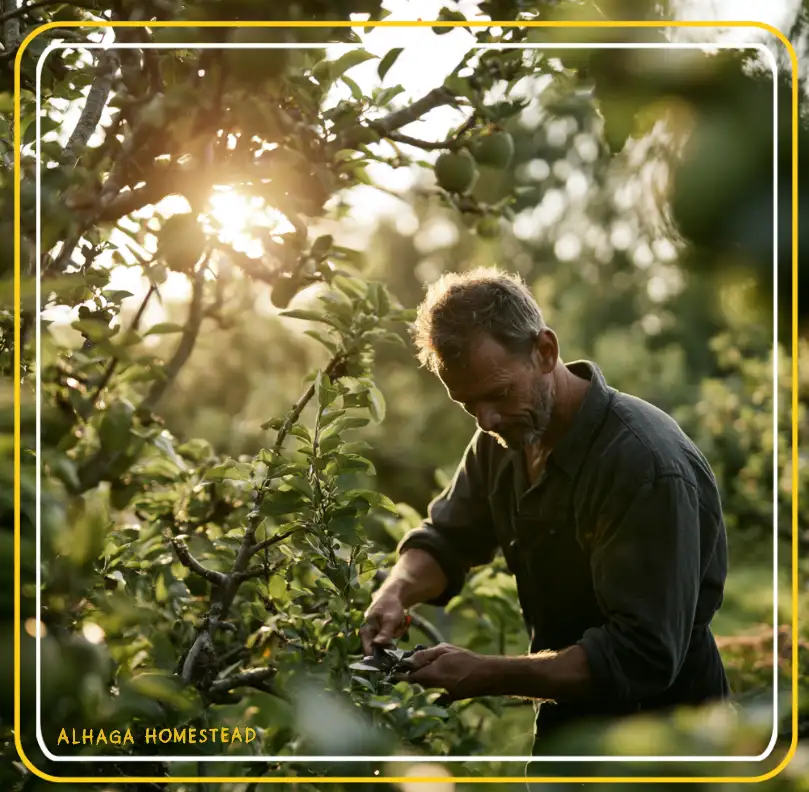
Why should I prune my trees?
Many people think of pruning as something you do to shape a tree or keep it looking neat and tidy.
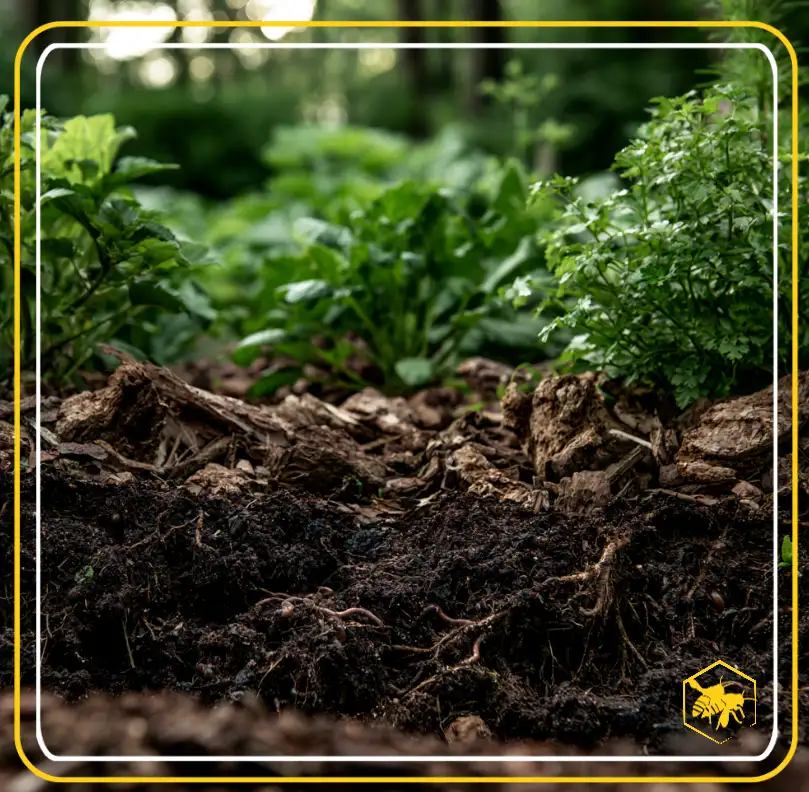
Is mulch same thing as compost?
Mulch and compost are often used in the same garden, but they’re not the same thing. A simple way to think about it is this: Compost works in the soil, while mulch works on top of the soil.
What's the best place to start a garden?
Here on my little homestead, I usually recommend placing your first garden beds close to the house. The more often you pass by your plants, the easier it is to spot problems early, harvest at the right time, and stay motivated. A small garden that’s part of your daily routine often produces better results than a large garden that’s rarely visited.
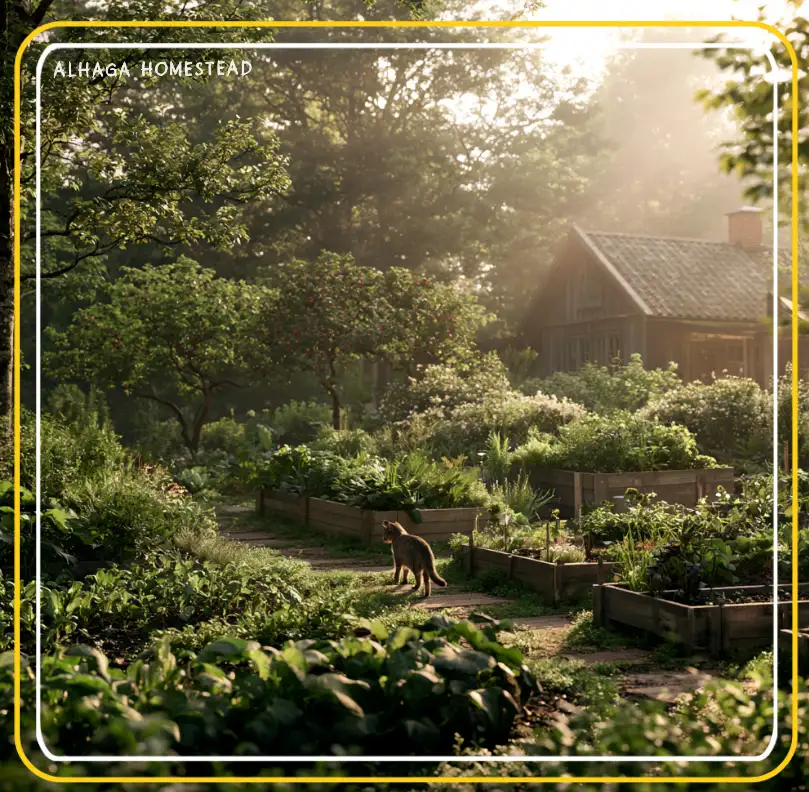
Should I grow directly in the ground, in raised beds or in garden boxes?
Choosing where to grow your food is a question many gardeners ask, especially if you’re interested in self-reliance or dream of creating a food forest someday. The truth is, there isn’t a single right answer. The best choice depends on your soil, your space, and the kind of garden you want to build.
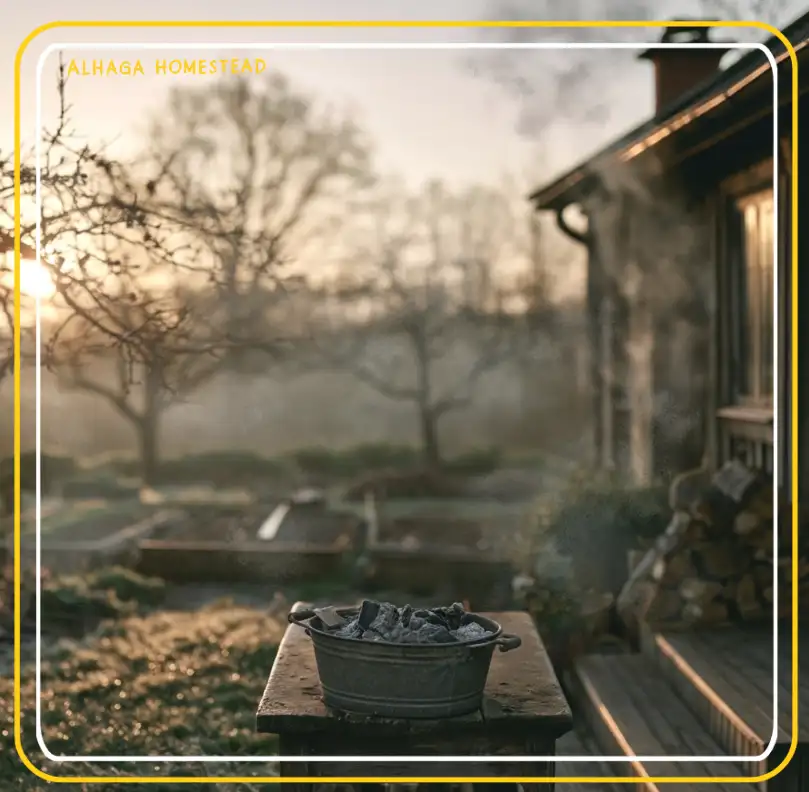
What should I do with wood ash from my wood stove?
Before using wood ash in the garden, it’s worth considering both the plants you’re growin’ and the condition of your soil. Blueberries, rhododendrons and other acid lovin’ plants generally don’t appreciate soil that becomes more alkaline.
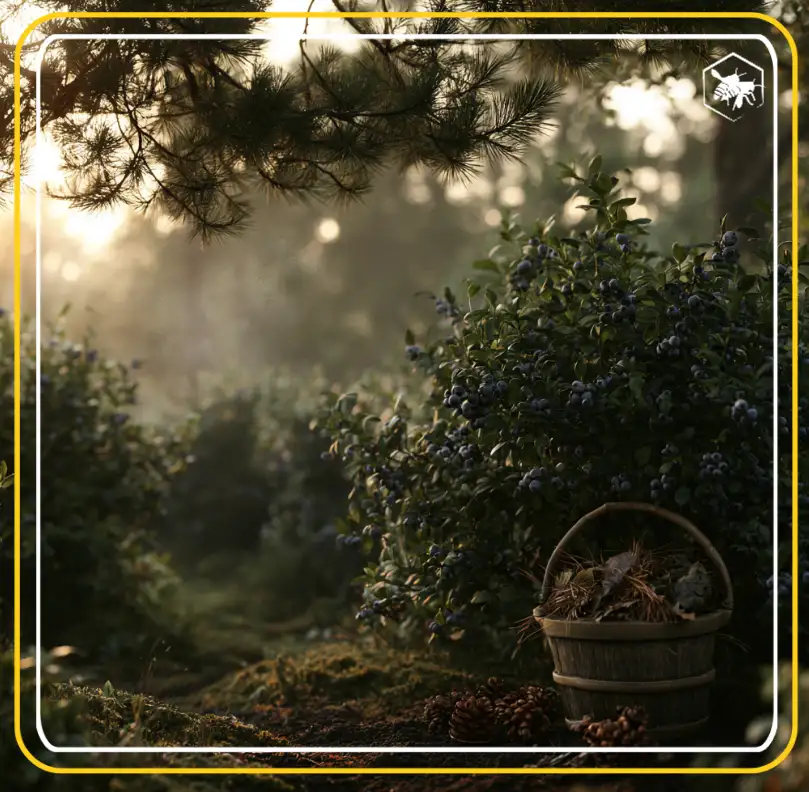
What's the best product for lowering soil ph for blueberries?
That depends on why you’re tryin’ to lower the soil’s ph and what conditions you’re already working with. Products containing sulfur or ammonium sulfate are commonly used to create more acidic soil conditions. But before choosing a product, it’s worth finding out what your soil’s ph actually is?
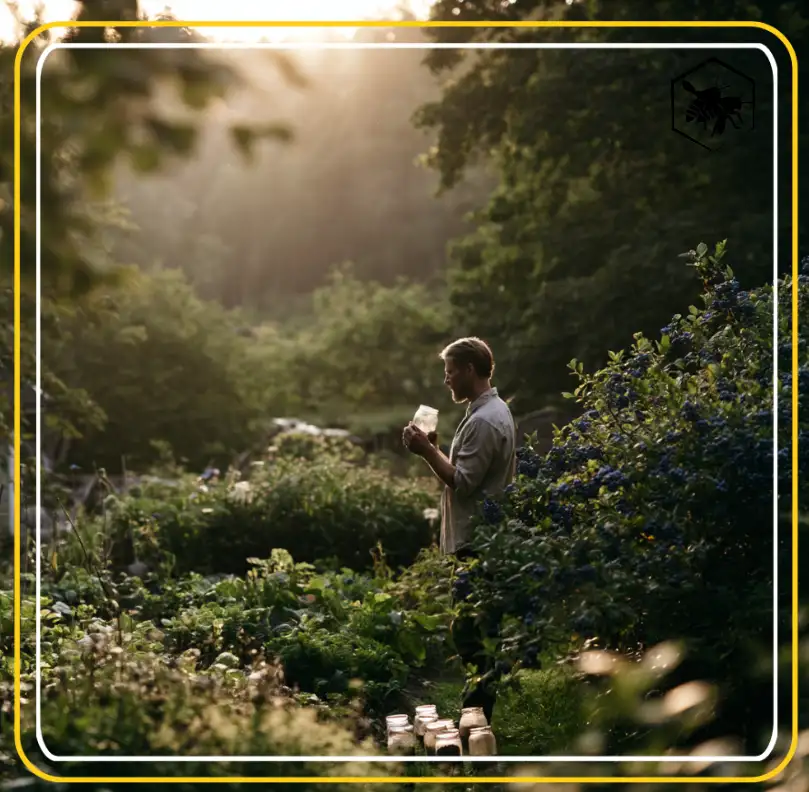
How do I test the ph of my garden soil?
If you’re thinking about adding lime or making changes to your soil’s ph, it’s a good idea to first find out what you’re actually working with. A simple ph test can reveal valuable information about your soil and help you avoid making unnecessary adjustments.
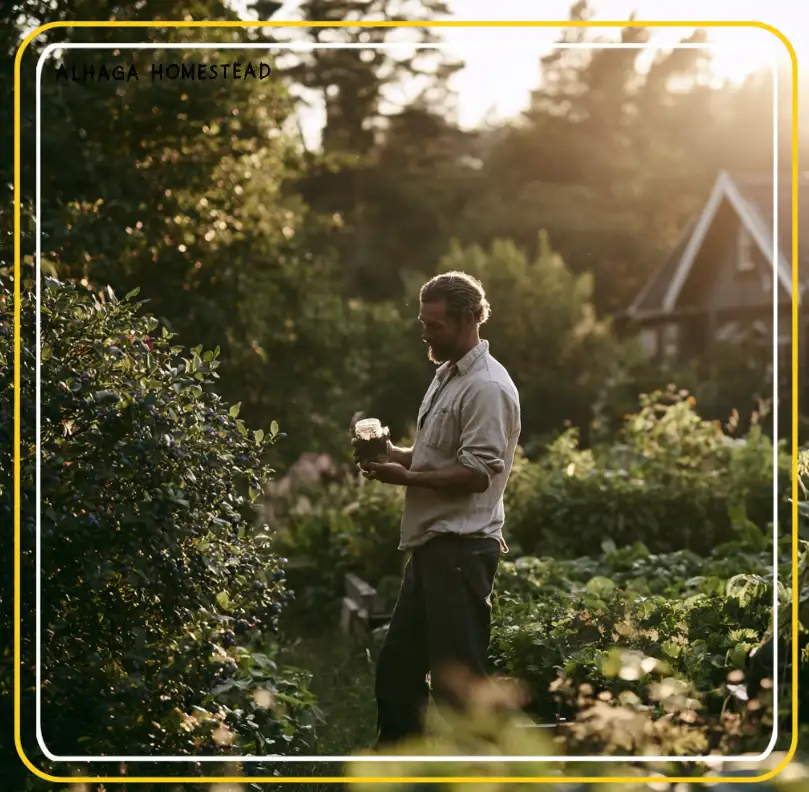
How do I raise the ph level in the soil?
A lot of beginner gardeners assume they need to add lime simply because someone told them they should. But before making any changes, it’s worth asking a simple question:
Does your soil actually need it?
Not all plants thrive in the same conditions, and many berries, shrubs and ornamental plants actually prefer more acidic soil.
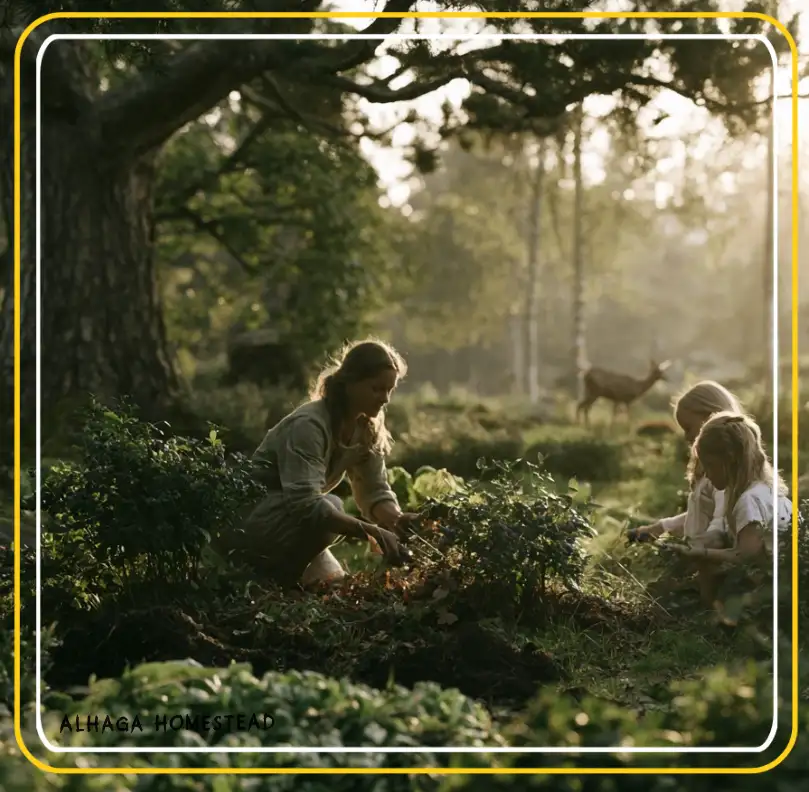
How do I lower my soil's ph?
If you’re looking to lower your soil’s ph naturally, there are several options available. But before making any changes, it’s worth finding out whether your soil actually needs them in the first place.
How often should I water my garden?
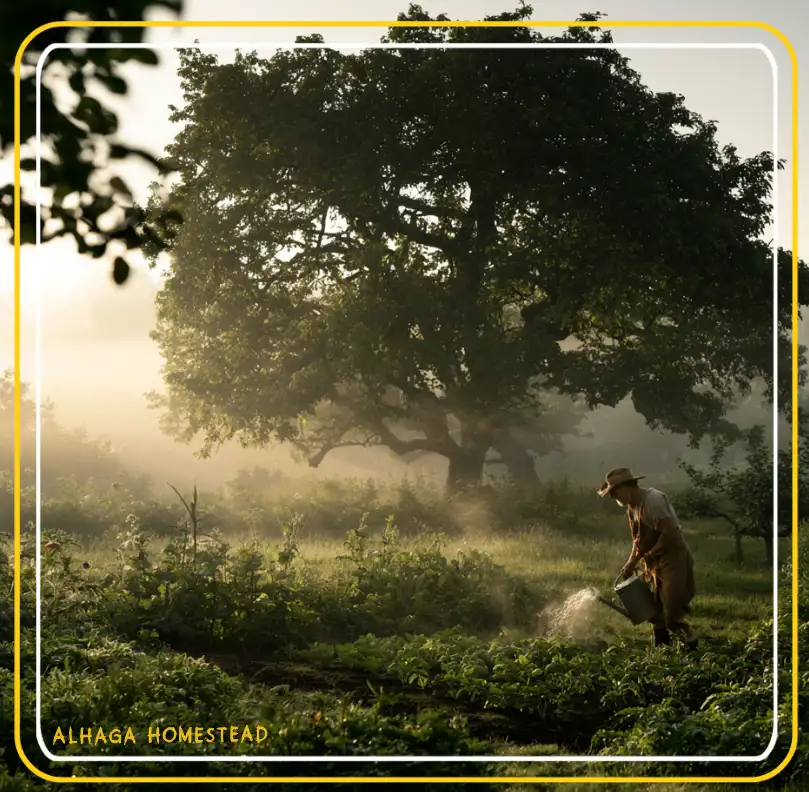
There’s no one size fits all rule when it comes to watering a garden. How much water yer plants need depends on the weather, your soil type, the age of your plants and how well your soil can hold moisture.
How can I improve soil structure and drainage?
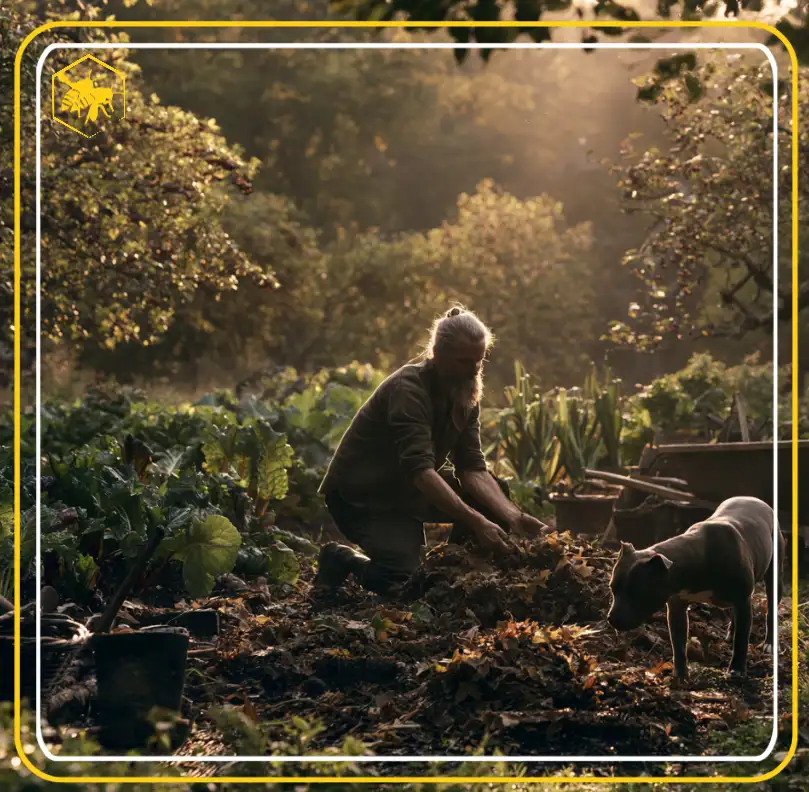
Good soil structure rarely happens overnight. But by adding compost and other organic materials over time, ya can gradually create soil that holds moisture while still allowin’ air to reach plant roots. Mulch helps protect soil life, while permanent pathways and raised beds combine withe swales can these reduce compaction and improve growin’ conditions for years to come.
Why is well drained soil so important?
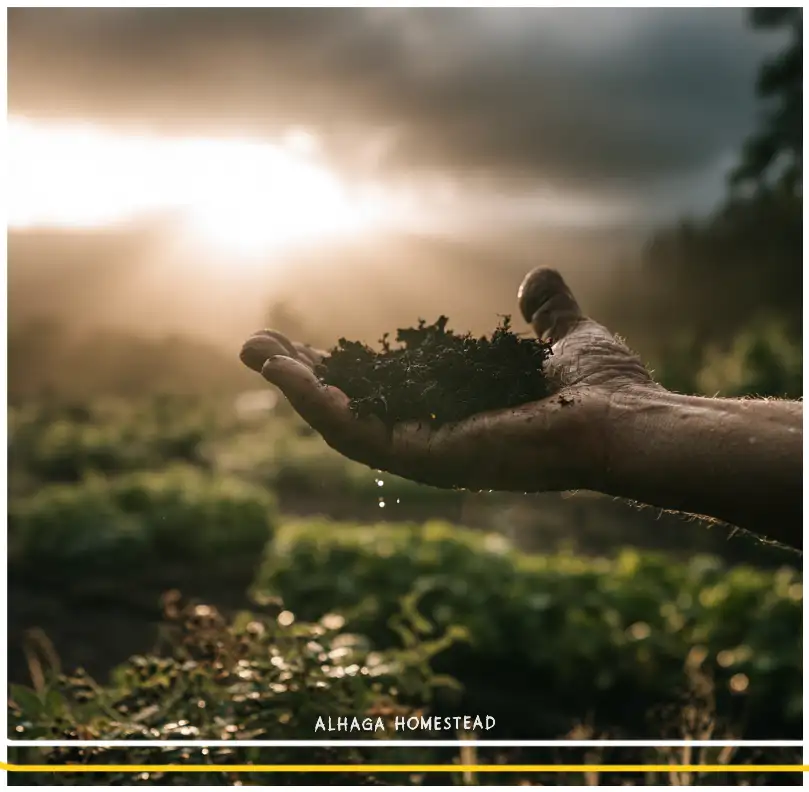
Well drained soil doesn’t mean dry soil.
A healthy garden soil should be able to hold enough moisture for plants while also allowing excess water to drain away and make room for air. When the soil ecosystem is thriving, plants develop stronger roots, stay healthier and become better equipped to handle challenges throughout the growin’ season.
Can I use grass clippings in my compost?
Absolutely.
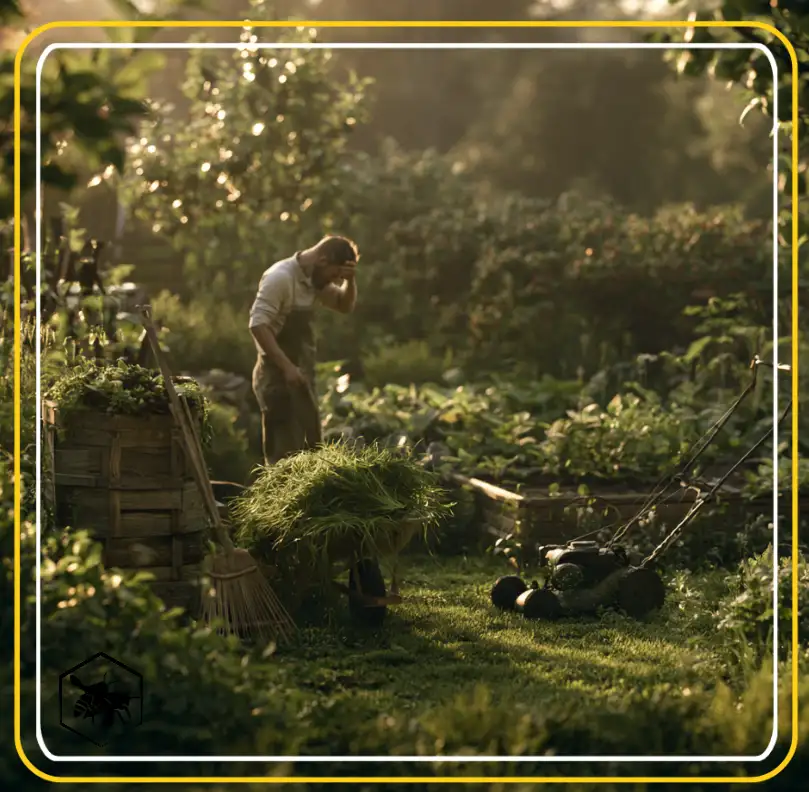
Grass clippings are a valuable resource that can be used both in the compost pile and directly in the garden. Since they’re rich in nitrogen, they can help speed up the composting process and support healthy soil over time.
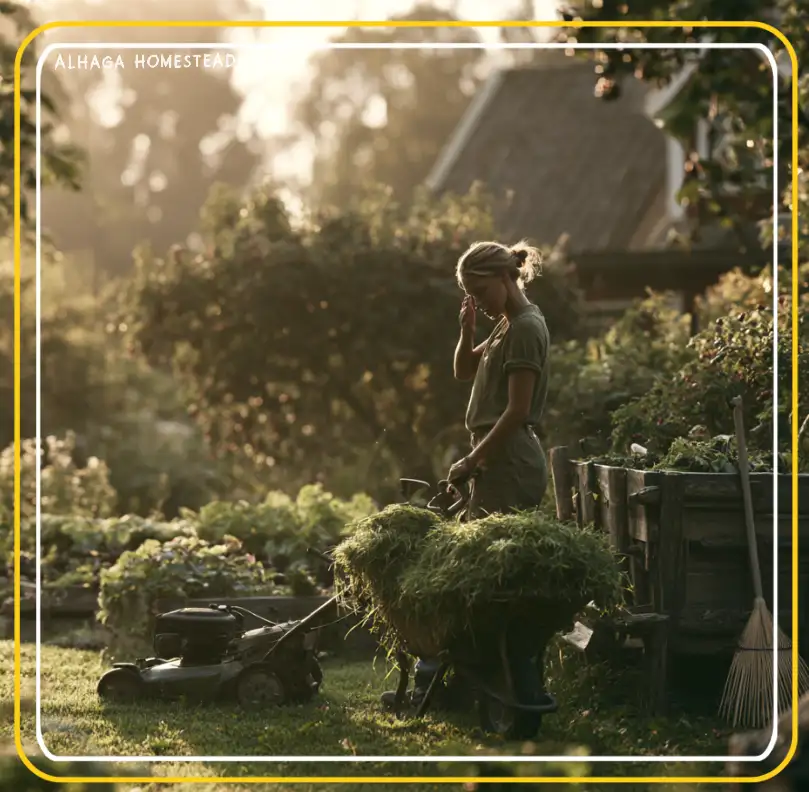
What should I do with grass clippings after mowing?
Once the mower has gone quiet and the yard work is done, there’s one question many gardeners find themselves asking – should the grass clippings stay where it is, or should they be collected and removed?
The short answer is that grass clippings are often far more valuable than most people realize.

Does my entire yard need to be a lawn?
For many of us, a lawn feels like a natural part of the yard. But as more folks become interested in self reliance and supportin’ local wildlife, many are starting to rethink how much of their outdoor space really needs to be grass.
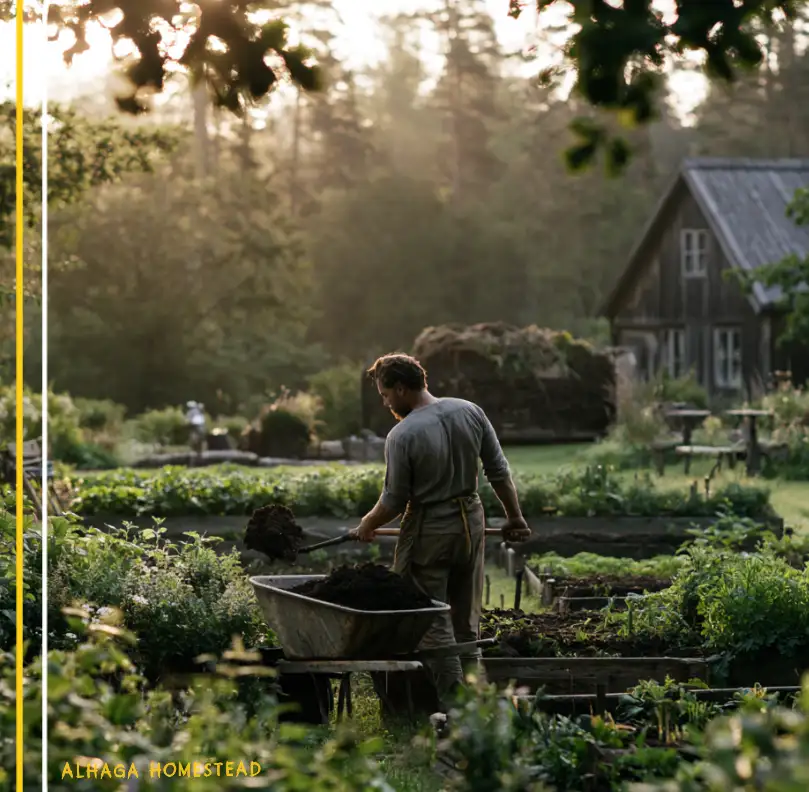
How can I find more sustainable alternatives to synthetic fertilizers?
There are plenty of ways to feed your garden without relying on synthetic fertilizers. Whether you’re growing veggies, fruit, berries or ornamental plants – natural and organic options can help create healthier soil and a more sustainable growing system.
What is ph?
When it comes to gardenin’, ph is one of those things that can sound a little technical, but it’s actually pretty simple once ya get the hang of it.
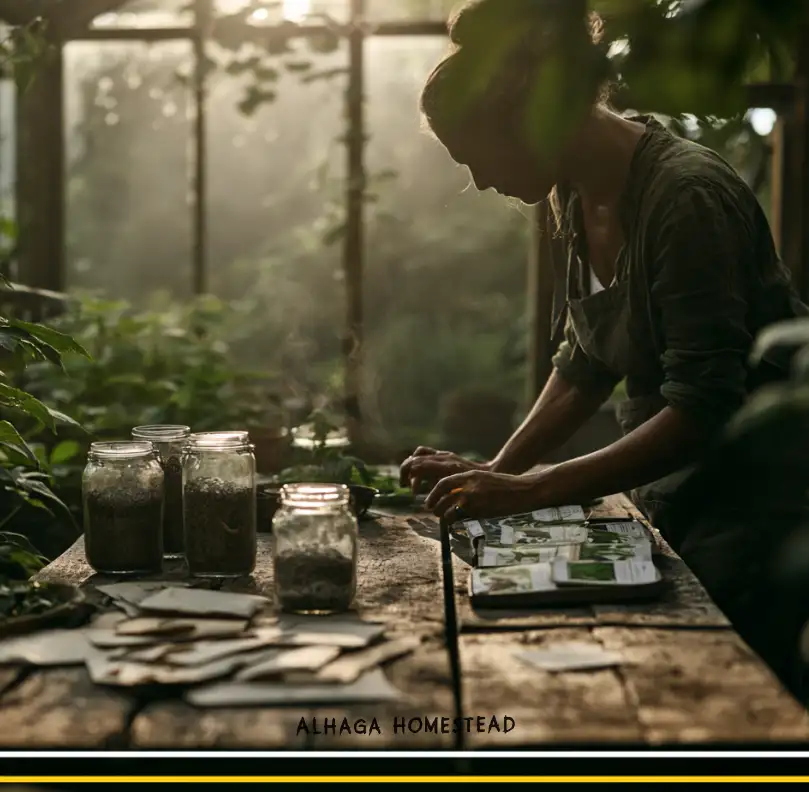
What are F1 seeds?
You’ve probably noticed the label F1 on seed packets and plant tags at your local garden center. But what does it actually mean, and are F1 seeds a good fit if you’re workin’ toward a more self reliant lifestyle?
How can I create a more sustainable garden?
Building a sustainable garden is not about doing everything all at once. Little changes over time can help you create a space that’s productive, natural, and smart with resources. Every step toward a more sustainable garden is also a step toward greater self reliance and a healthier planet.