
Creating a sustainable garden is not about getting everything perfect right out of the gate. Truth be told, most sustainable gardens grow one step at a time, just like the plants in ’em.
Whether you’ve got a small backyard, a few raised beds on the patio, or several acres to work with, there are always small changes that can make a big difference over time.
A sustainable garden isn’t just good for the environment. It can also provide more food for yer family, reduce the need to buy things from the store, and create a richer habitat for both people and wildlife.
The goal doesn’t have to be doing everything at once. Start where ya are, use the resources you’ve already got, and let your garden grow right alongside your knowledge and experience.
One thing I’ve spent a lot of time thinking about is how our gardens may change in the years ahead. For a long time, large lawns, decorative flower beds, and ornamental plantings have been the centerpiece of many home gardens. My hunch is that we’ll gradually see more folks making room for fruit trees, berry bushes, herbs and other edible plants.
That doesn’t mean beauty has to leave the picture. Quite the opposite, actually. Many edible plants are every bit as beautiful as traditional ornamentals while also providing food, boosting biodiversity and helping families become a little more self-reliant.
Start with the soil
If there’s one thing worth investing your time in, it’s the soil.
Healthy soil is the foundation of the entire garden. When it’s rich in organic matter, it holds onto nutrients and moisture much better. At the same time, earthworms, fungi, and beneficial microorganisms help plants thrive.
One of the easiest ways to improve your soil is by starting a compost pile. Garden waste and kitchen scraps can be turned into rich, fertile compost that goes right back into your garden instead of ending up in the landfill.
Mulching is another method many gardeners swear by. Covering the soil with grass clippings, leaves or other organic materials helps reduce evaporation and protects the ground from drying out. As a bonus, you’ll often deal with fewer weeds and enjoy healthier, more active soil.
Choose plants that fit yer climate
A sustainable garden often starts with putting the right plant in the right spot.
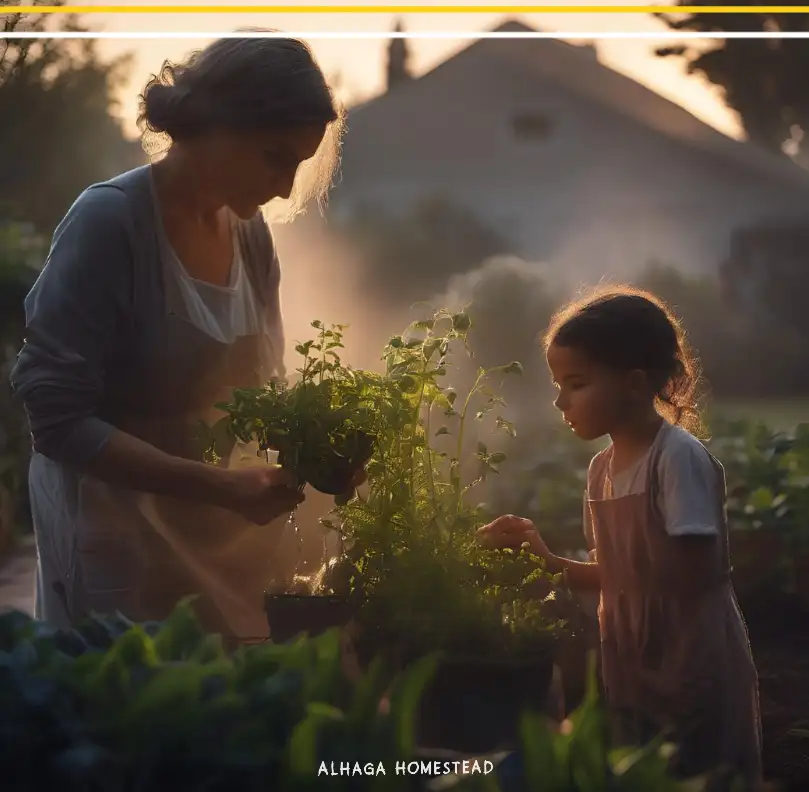
Instead of fighting nature, choose plants that are well suited to your local climate and growing conditions. Plants that naturally thrive in your area usually require less watering, less fertilizer and less hands on maintenance.
Now, that doesn’t mean you should never experiment with something new and exciting. Not at all… But by building your garden around resilient varieties, you’ll create a stronger foundation that can better handle both dry summers and rainy seasons.
Make the most of rainwater
Water is one of the garden’s most valuable resources.
A lot of folks are surprised by how much water can be collected from an ordinary roof. One or two rain barrels can significantly reduce your need for municipal water, and many plants actually prefer soft rainwater.
Improving your soil with compost and organic matter also helps it retain moisture longer. That means your garden can handle dry spells a whole lot better.
Leave room for nature
A sustainable garden isn’t just about what’s growing in your beds.
Bees, bumblebees, butterflies, birds and other beneficial creatures play an important role in maintaining balance in the garden. By planting flowers that bloom throughout the growing season, you’re helping pollinators while also increasing your chances of bigger harvests.
You don’t need to let the whole garden go wild. Oftentimes, it’s enough to leave one corner a little more natural, keep a pile of leaves through the winter or make room for plants that insects and birds enjoy.
Nature’s little helpers are hard at work around the clock and rarely ask for anything in return.
Grow food with the future in mind
For many homesteaders, long-term thinking isn’t only about perennial plants. It can also mean saving seeds from year to year.
Many open-pollinated varieties allow you to collect seeds and grow new plants with similar traits in future seasons. Seeds from F1 hybrids can also be saved, but the next generation F2 is often more variable and may not share all the characteristics of the parent plant.
Fruit trees, berry bushes, rhubarb and perennial herbs are great examples of plants that can provide harvests for years to come. Every one of these is an investment in the future. You’re not just planting for next season. You’re planting for years down the road.
For many families, a single apple tree, a few currant bushes or a row of rhubarb can be the beginning of a garden that gradually produces more food with less effort while even opening the door to sharing and trading with neighbors.
Reuse what ya already have
When it comes to sustainability, creativity often matters more than big investments.
Ol’ raised-bed frames, leftover lumber, bricks and other materials can often find a second life in the garden. Some of the best solutions come from using what’s already on hand.
Not only does that save money and resources, but it also gives the garden a more personal character and story of its own.
Think long-term, not perfect
One of the most common mistakes gardeners make is trying to build their dream garden in a single season. The truth is, sustainable gardens are almost always built over time.
Get to know your soil. Watch how the sun and shade move across the space. Experiment with different plants. Keep what works and adjust what doesn’t.
Every season brings new lessons. More often than not, it’s the things that don’t go according to plan that teach us the most.
Self-reliance is rarely about perfection. It’s about becoming a little more capable, a little more knowledgeable and a little more prepared with each passing year.
Small steps make a big difference
It’s easy to think a sustainable garden requires a huge property, complicated systems, or endless hours of work. But most of the time, it starts with something simple.
Maybe it’s a compost pile.
A raised bed.
A rain barrel.
A fruit tree.
Or those very first strawberry plants.
Over time, those small beginnings can grow into something far greater than you ever imagined.
What does yer garden look like?
Have you found a clever way to save water, build healthy soil or make your garden more sustainable? I’d love to hear about it in the comments below. Your experiences might help both new and seasoned gardeners on their own journey toward a more natural and self reliant way of livin’.
Because at the end of the day, it’s our shared experiences and knowledge that keep this community growin’.
Fredrik