Ensuring Safe and Wholesome Food Production
Your guide to food safety and kitchen cleanliness
Discover essential practices to maintain food safety and quality from your homestead to the table.
Clean and sanitize
Proper harvesting
Safe storage
Quality assurance
Join our community for fresh insights by leaving your comments about today's post in the comments below
Hey there, friend, ever wondered what that fancy word cross-contamination really means? Well, let me tell ya. It’s somethin’ worth knowin’ if you’re into growin,’ cookin’ or handlin’ your own food. Name’s Fredrik, and if we ain’t met yet, I’m a new homesteader who’s all about bees, gardens and livin’ close to the good ol’ ways of nature.
Now, pull up a chair and grab yourself some sweet tea, ‘cause today we’re diggin’ into food safety and hygiene. A topic I learned a whole lot about back when I ran my own little ice cream cafe. This here’s the first part of a five piece series, meant to help ya understand the basics of keepin’ your food safe right from your homestead kitchen.
Why food safety matters on a homestead
Once ya start handlin’ food on your farm or in your country kitchen, safety’s gotta be at the top of the list. Maybe you’re sharin’ what you grow with your folks or sellin’ jars of jam down at the farmer’s market. Either way, keepin’ things safe means nobody ends up sick.
Food safety ain’t just about tastin’ good or bein’ full of nutrients. It’s also about makin’ sure no sneaky bacteria or contaminants hitch a ride on your plate.
Trust me, you don’t ever wanna be the person who gave somebody food poisonin’ after Sunday supper. So it’s mighty important to learn how to handle, cook and store your food the right way. Even at home…

What food safety really means
When we talk about food safety, we’re talkin’ ‘bout keepin’ food clean and safe every step of the way. From the garden all the way to the dinner fork. Here’s a few key things every good homesteader oughta remember:
Keep it clean: Wash your hands, tools, and surfaces often. Clean gear means fewer nasty bugs.
Separate the raw stuff: Keep raw meat, fish, and eggs away from veggies and cooked foods so ya don’t spread bacteria around.
Mind your temps: Cook food to the right heat – chicken breasts should hit about 72°C (that’s around 162°F), and whole birds or thighs need to reach 82°C (180°F) near the bone. And don’t forget to chill your leftovers right quick afterward.
Personal hygiene matters: Wash them hands real good before cookin,’ and wear clean clothes or an apron if need be.
Common food safety risks for homesteaders
Now, us homesteaders face a few extra challenges when it comes to food safety.
Soil and water contamination: Dirt, water and critters can carry bacteria that end up on your veggies. Always wash produce and use clean water for irrigation, dirty water on lettuce can make ya mighty sick.
Pests and varmints: Mice, bugs and other critters can spread disease if they get into your food storage. Keep ‘em out and watch for signs.
Preserving at home: If you’re canning or makin’ jam, be sure to follow safe methods so you don’t mess around with dangerous bacteria like Clostridium botulinum. That stuff’s no joke, it can cause serious illness or worse.
What about you – have ya spotted any food safety risks ‘round your own homestead? Drop a comment down below, I’d love to hear your take on it.
Handy hygiene tips for your homestead kitchen
Let’s talk plain and simple about keepin’ that country kitchen clean and yer food safe to eat.
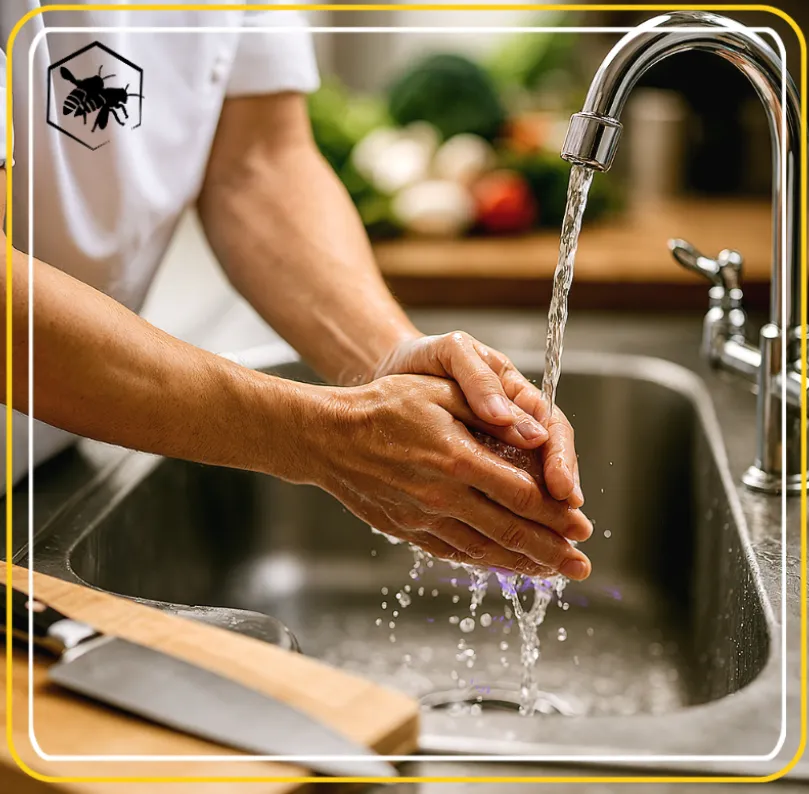
Always wash your hands in warm water with soap for at least 20 seconds before handlin’ food, and take off rings and bracelets so ya can scrub up to your elbows.
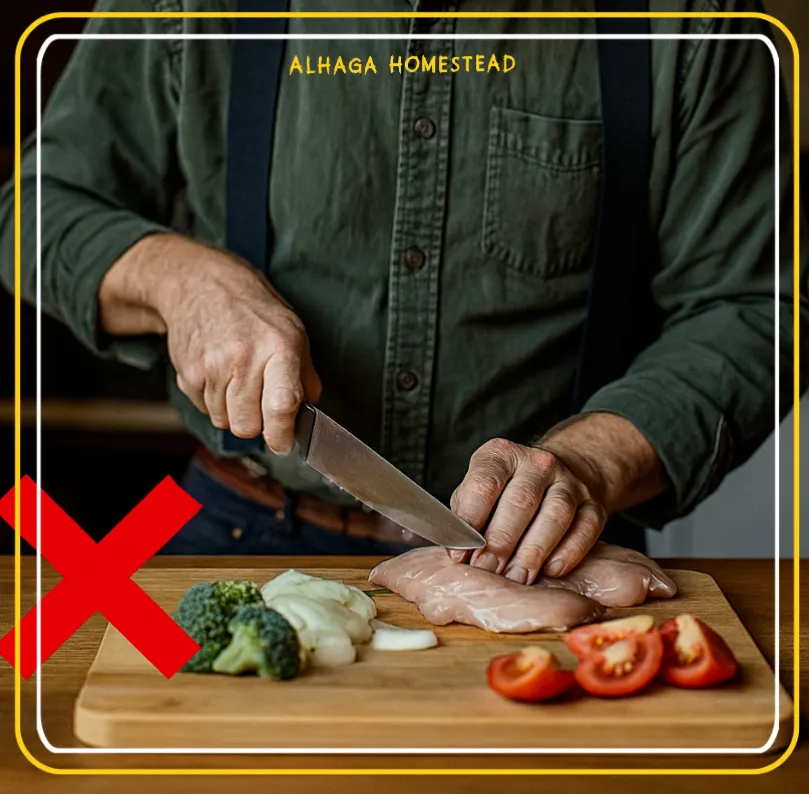
Use one cutting board for raw meat, fish and poultry. And ofcourse a different one for veggies and ready to eat foods to keep from spreadin’ germs around.
Store your food in airtight containers and slap a date on ‘em so ya know what needs to be used first.
Invest in a good meat thermometer so you can check the inside temp instead of just guessin’.
Wash jars, lids, and containers real thorough before canning or storing food so bacteria don’t get a chance to move in.
Takin’ food safety serious ain’t just some rule on a poster, it’s an investment in your health and in your good name as a homesteader. When you follow these simple basics, you can sit down to supper knowin’ the food you raised and cooked is safe. Safe for you, your family and anybody else you share it with.
Butchering safety
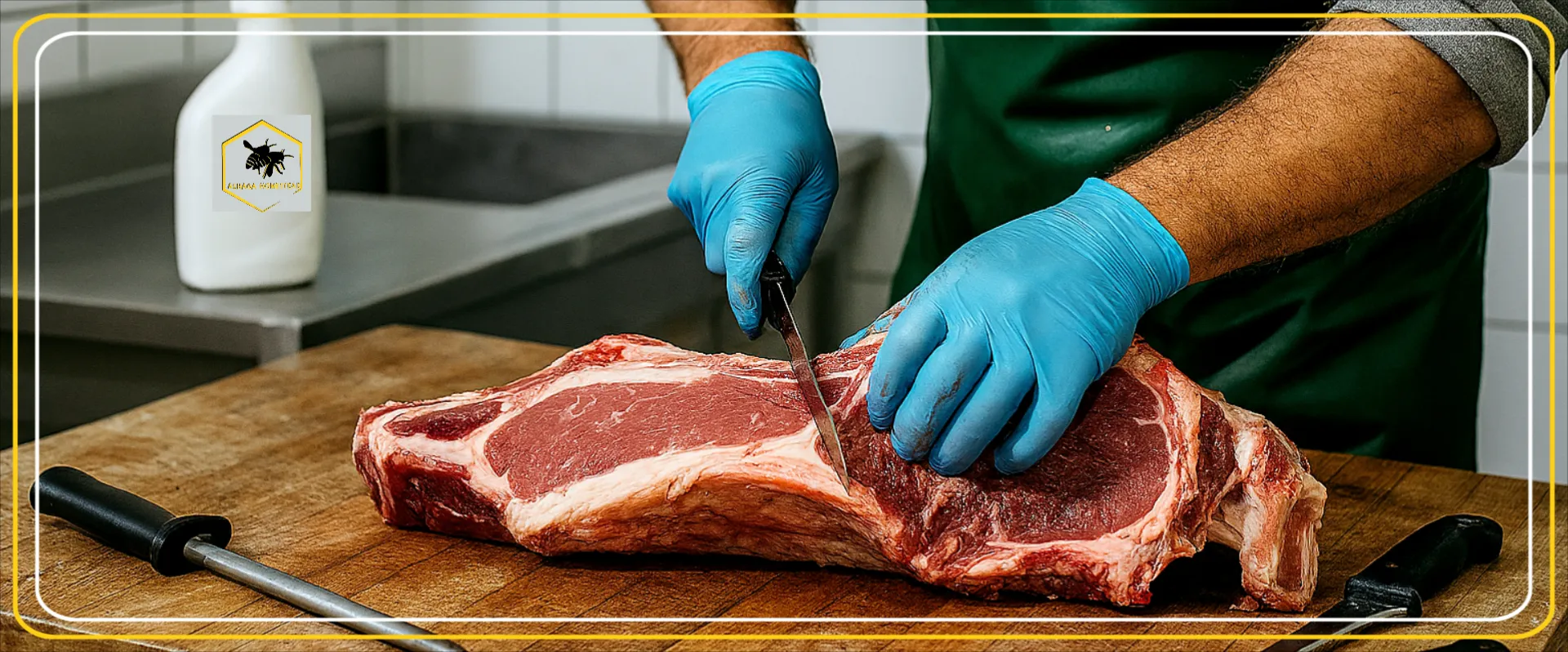
Ensure all tools and surfaces are sanitized to prevent contamination during meat processing.
Crop harvesting
Use clean tools and wash produce thoroughly to remove soil and bacteria.
Honey harvesting
Harvest honey only when the comb is fully capped to protect it from contaminants.
So what is food safety, really?
Food safety is all about protectin’ your food from anything that can harm folks, from mild sickness all the way to life threatenin’ illness. It also means every step, from handlin’ and prep to cookin’ and servin,’ is done in a clean, safe way.
For a homesteader, this oughta be one of the core parts of buildin’ a secure, sustainable lifestyle – right up there with good soil, clean water and healthy animals.
Food poisonin’ - What you need to know
Food poisonin’ is one of the most common mess ups that happens when food safety gets ignored. It comes from eatin’ contaminated or toxic food. And that can include store bought items, home cooked meals, wild mushrooms or plants you picked out back.
Here’s what you should keep an eye out for.
Common food poisonin’ symptoms
Nausea.
Vomitin’.
Stomach cramps or belly pain.
Diarrhea.
Dehydration from losin’ too much fluid through diarrhea and vomitin’.
Sometimes it passes quick, but in the wrong person or with the wrong germ. It can turn serious in a hurry.
Join our growing community
Become a part of the circle of Alhaga homestead family where you can exchange valuable tips, ask questions and celebrate your homesteading achievements in the comments section below. Together, we can ensure that every meal is safe and delicious.
Who’s at higher risk?
Some folks’ bodies just can’t fight off foodborne bugs as well as others. Those who need extra protectin’ include:
Older adults.
Infants and young children.
Pregnant women.
People with a weakened immune system or chronic illnesses.
As homesteaders, we share a common responsibility. Protectin’ not just ourselves, but everyone who sits at our table – family, friends and any future customers buyin’ the extra you sell from your place.
Three big risks when handlin’ food
Handlin’ food always comes with some risk, but with the right habits, ya can knock those risks way down. Here’s one major area to focus on in yer day to day kitchen work.
1. Keep yourself and your workspace clean
Wash your hands often, especially after touchin’ raw meat, eggs or other raw ingredients.
Clean counters, knives and tools with warm water and dish soap. Do this so grease, dirt and bacteria don’t pile up.
Use separate cutting boards for raw meat and for other foods so you don’t end up spreadin’ germs from raw chicken to your fresh salad.
2. Keep yer food safe from contamination
Now let’s talk about protectin’ your food from all the little nasties you can’t see.
Store your raw ingredients in tight sealin’ containers so dust, bugs and rodents don’t get a free buffet.
In the fridge, keep raw meat on the very bottom shelf so any drippin’ juices don’t land on your leftovers or fresh veggies.
Think of it like this: If it can drip, it sits low. If it’s ready to eat, it rides high.
Food safety ain’t just about tastin’ good or bein’ full of nutrients. It’s also about makin’ sure no sneaky bacteria or contaminants hitch a ride on your plate
3. Store, cook and serve at safe temperatures
Cold food’s gotta stay cold, and hot food’s gotta stay hot – that’s one of the golden rules.
Keep yer fridge at or below about 4°C, which is 40°F, to slow down bacterial growth.
Cook meat, fish, and poultry to their proper internal temps. (For chicken, aim for at least 72°C / about 162°F. And higher near the bone for whole birds).
Don’t leave perishable food sittin’ out at room temperature for more than two hours – and if it’s real hot out, you’re safer stickin’ to one hour.
Think of those long, sticky late‑July days as “bacteria weather” – that’s when you really don’t wanna let the potato salad camp out on the table.
Documentation – Your quiet little safety net
Writin’ things down might feel a bit over the top on a small homestead, but it’s actually one of your strongest tools for peace of mind . Especially if ya share or sell your food.
Set simple hygiene rules: Jot down a few clear do’s and don’ts for how ya keep yourself and yer workspace clean.
Track what comes and goes: Keep a simple list of what ya store, give away or sell. If somebody ever gets sick, you’ve got a trail to follow.
Spot the weak points: Make a little list of possible problems – like a fridge that sometimes runs warm – and what you’re doin’ to prevent ‘em. If you live off‑grid and rely on solar to keep your freezers hummin,’ write down your backup plan for if that system ever quits on ya.
If it’s written down, you’re not just guessin,’ you’re buildin’ real proof that you’re takin’ food safety seriously.
Safer days through simple habits
When you weave these small routines into your everyday life, you cut down the risks that come with handlin’ food. And you can relax a whole lot more in your work as a homesteader.
It ain’t about bein’ perfect. It’s about bein’ awake, payin’ attention and always lookin’ for little ways to do things just a bit better than yesterday.
Food safety – The homesteader’s unsung hero
Food safety is one of those quiet, behind the scenes heroes of homestead life. Easy to overlook, but absolutely crucial. We pour our hearts into plantin,’ harvestin,’ butcherin’ and cookin.’But all that effort doesn’t mean much if the food isn’t safe to eat.
If you grow veggies, process your own meat or pull honey from your hives. You’re a food producer, whether you’ve got a big brand name or not. And that means ya carry the responsibility of keepin’ folks safe at the table.
Good habits when you produce your own food
When you’re producin’ food right there on your place, a few basic good practice habits go a long way toward keepin’ things clean, safe, and high quality.
Durin’ butchering and meat processing: Make sure all your surfaces, knives and tools are clean and sanitized. Don’t let meat touch dirty tables, muddy boots or used buckets.
When harvestin’ crops: Wash fruits and veggies well to rinse off soil and bacteria. Use clean tools, and try not to leave produce lyin’ straight on the ground any longer than you have to.
When harvestin’ honey: Wait until the comb is almost fully capped with wax before you take it. That wax layer helps shield the honey from dust, insects and other unwanted bits.
By stickin’ to these simple steps, you’re not just growin’ food that tastes good. You’re makin’ sure it’s safe and wholesome for everyone who digs into it.
Personal hygiene – Next stop on our food safety journey
Tomorrow we’re gonna dive deeper into personal hygiene, another big piece of the food safety puzzle that folks sometimes overlook. We’ll walk through simple habits like proper handwashin,’ wearin’ the right protective gear and handlin’ raw ingredients the smart way. Habits that make a real difference for ya and everybody eatin’ what ya put on the table.
Join our green homestead family
Well, that’s a wrap for today, y’all homestead lovin’ friend. Don’t ya fret though – tomorrow we pick right back up with more down to earth lessons from the homesteading life that’ll spark some fresh ideas and get ya fired up.
In the meantime, come on over and join our little community right here. Drop a line in the comments and share what’s on your mind.
Swap tips with fellow growers: Got any handy tricks or shortcuts others could use? Lay ‘em out!
Show off your wins: Brag a little on them green thumb victories – we wanna hear all about it.
Ask away: Got questions or wrestlin’ with a challenge? This is the spot to get answers.
Lend a hand: See somebody stumped? Jump in with your know how – we’re all in this together.
In this crew, we grow stronger just like our gardens do. So let’s keep plantin’, learnin’ and liftin’ each other up every single day.
What's comin' up in our homestead food safety series
In the next parts of this journey, we’ll dig into some mighty useful topics like:
How to spot risks when handlin’ raw ingredients.
Basic rules for safe home preservin’ and canning.
Buildin’ a solid cold chain to keep fresh produce crisp and safe.
Why trainin’ up on food safety is worth your time and effort.
So that’s it for this round dear friend in food safety and kitchen cleanliness. But don’t ya worry none, tomorrow we’re divin’ deeper into the special challenges and rewards of homesteading life. Together we’ll uncover more priceless lessons that’ll give your place a real boost.
And if you see a question you can answer, jump right in with a helpin’ hand. In this community, we grow together just like our gardens do. So let’s keep stretchin’, learnin’, and liftin’ each other up.
Catch ya tomorrow for the next excitin’ chapter in our homesteading adventure, Fredrik.
P.S. Now this here’s just my take from years of trial and error on the homestead — ain’t no substitute for checkin’ your local rules or gettin’ professional advice. Ya gotta take responsibility for your own setup and keep everybody safe. Do what works best for your place my friend.