Duck Feeding Guide
Choose the right kind of feed for healthy, happy ducks
Learn how duck, chicken, and turkey feeds differ – what yer flock needs from duckling stage through laying age and what NOT to feed yer ducks
A down-home guide to gettin’ yer flock off on the right foot
Well hey there, fellow homesteader and duck lover, welcome back to my little corner of the internet. Today, we’re gonna wade right into the magical, muddy, wonderful world of ducks and what you shouldn’t feed them. I can barely hold back my excitement thinkin’ about the days ahead and those charm-packed, feathered friends we’re plannin’ to raise here at Alhaga. So let me take ya on a little journey through the sound of happy quacks, the feel of big, delicious breakfast eggs in your hand and the smell of fresh-baked bread…
Oh, what a joy it’s been gettin’ to know all y’all wonderful folks who’ve shared your wisdom and experience with me since I started this homesteadin’ journey. Your support’s been like a warm hug on a cold winter mornin’, and I’m forever grateful for every chat, every piece of advice, and every kind word. For a long time, I’ve dreamed of hearin’ ducks splashin’ around in a pond out on my place. But like anythin’ new, at first I had more questions than answers. What do these adorable critters actually eat? And maybe even more important, what should they absolutely NOT eat?
A better bowl for every duck on the homestead
After a heap of long, good conversations with seasoned duck raisers and after diggin’ deep into feed, niacin and protein needs. I now finally feel ready to pass along what I’ve learned to you, my dear reader. So let’s start with the big one, what not to feed your ducks. It’s important to remember these charmin’ creatures have put their trust in us, and it’s our job to look after ’em the very best we can.
The “don’t even think about it” list
Foods to flat-out avoid to keep your flock healthy and strong
Here’s a list of things I’ve learned to steer clear of to keep my ducks healthy and strong. Think of this as your safety net when you’re plannin’ your feed runs and day-to-day meals.
Avocado (every last bit): Contains persin, which can be poisonous to birds.
Onions, garlic, and their kin (like chives): Can damage red blood cells and cause anemia.
Raw, dried beans (especially kidney beans): Contain toxins; cooked beans in moderation are okay.
Chocolate and caffeine (tea, coffee, energy drinks): Theobromine and caffeine are toxic to birds.
Moldy or spoiled feed/food: Risk of mycotoxins and serious illness.
Alcohol: Ducks can’t process it, risk of organ damage.
Raw potatoes, green potato parts, and potato leaves: Contain solanine (toxic); small amounts of cooked potato are okay.
Rhubarb leaves: Can have a laxative/toxic effect.
Large amounts of salt, sugar, or fatty/junk food (chips, crackers, candy, processed meals): Causes imbalance and health problems.
Citrus (oranges, lemons, limes, mango, pineapple in large amounts): High acidity can mess with calcium absorption and lead to thin eggshells or bone issues.
The “best to skip if ya can” list
Not exactly poison, but still not great for yer ducks
Beyond the hard “no” items above, there are things you’ll wanna avoid as much as possible, even if they’re not straight-up toxic:
Bread (especially white bread): It’s empty calories and can lead to obesity, nutrient deficiencies and wing deformities (“angel wing”). If you do give a tiny piece, make it rare and preferably whole grain. Think of it as an occasional treat, not a staple.
Popcorn, cornflakes, sweet cereals, crackers, cookies: Poor nutrition, often high in sugar/salt and a choking hazard.
Spinach in large amounts: Oxalates can hinder calcium absorption. Small amounts are fine, just don’t make it their main dish.
And don’t you forget this simple but life-savin’ tip: Always have fresh drinkin’ water available when you feed. Ducks need water to swallow properly and avoid choking or givin’ themselves a tummy ache.
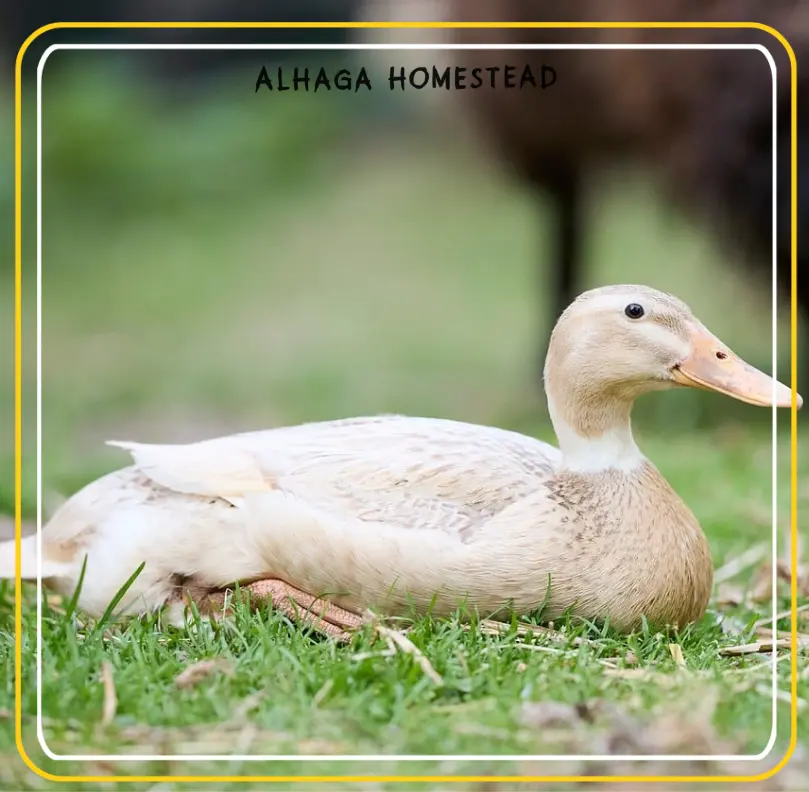
Ducks generally need more protein than chickens, especially while they’re growin’, and they need a whole lot more niacin (vitamin B3) so their bones and joints develop right. A lot of turkey feeds are formulated with higher protein and enough niacin to meet just those needs. That’s why several raisers recommend:
Ready to raise happy, healthy ducks?
Start caring for your ducks with confidence, try the feeding approach that fits your flock, and share what’s working in your coop. Got a question or a favorite duck tale? Reach out—we’d love to hear from you.
Share your duck story in the comments below
“Every morning, the sound of happy ducks greeting the day could feel like a little piece of paradise on the homestead.”
Fermented feed - A simple, nutritious boost (with whole grains as the base)
Now here’s somethin’ I’m pretty excited to try myself, fermented feed. Several sources and experienced raisers point out that fermentation can make nutrients more available, improve gut health and make the feed easier to eat and tastier for ducks.
But – and this is a big but. Pellets and similar ready-made feeds aren’t ideal for fermentin’. They’re already formed and dried, so they mostly just get soggy instead of properly fermented. What works best is whole grains or cracked grains (like wheat, oats, corn and cracked peas).
My simple fermented feed recipe (with pellets softened at the end)
Step 1
Step 2
Keep it all under water: Place a weight on top (like a clean plate with a stone) so everything stays below the waterline, this helps prevent mold. A white film on top isn’t dangerous, but if you see green or black, toss it all out right away.
Step 3
Cover and keep it cool: Put on a lid or breathable cloth and store in a cool, dark place (around 60–70°F / 15–21°C).
Step 4
Stir daily: After 1–3 days, it should smell slightly sour, feel soft, and be a little bubbly.
Step 5
Mix in pellets at the end: Once the grain is done fermentin’, stir in your desired amount of pellets. Let the mix sit a short while so the pellets soften up in the finished batch.
Step 6
Start small: Serve small portions and increase gradually. Keep the container clean and empty/clean it daily.
Duck Feed & Fermentation FAQs
Can I ferment pellets for my ducks?
Pellets can be soaked to make them softer, but whole or cracked grains ferment more reliably. Ferment the grains first, then stir in pellets shortly before serving if you want a softer finished feed.
How do I know if fermented duck feed has gone bad?
Healthy fermented feed should smell mildly sour and look fresh. Discard the batch immediately if you see green or black mold, notice a rotten smell, or find any unusual discoloration.
Is tap water safe for fermenting duck feed?
Non-chlorinated water is best because chlorine can slow fermentation. If your tap water is chlorinated, let it sit uncovered for a while or use filtered water before adding it to the grain.
What should never be added to fermented duck feed?
Keep the mix simple: do not add salt, sugar, spices, spoiled food, or moldy grains. Clean equipment and fresh ingredients are the safest foundation for every batch.
How should I store duck feed to prevent mold?
Store dry feed in a cool, dry place in an airtight container. Buy manageable amounts, keep scoops clean, and throw away any feed that smells musty, feels damp, or shows mold.
Handy feed tricks to make life easier
Soak or moisten pellets: Ducks like wetter food. Some ducks like their pellets soakin’ a little before feedin’ makes ’em softer and easier to eat.
Match the size to the bird: Little ducklings need finer, moistened food. Avoid big, hard grains the first few weeks.
Store feed right: Keep it dry, cool and airtight. Toss anything that smells off or shows signs of mold.
Keep it clean: Empty and clean feed containers daily, especially if you’re givin’ fermented or wet feed.
Havin’ ducks on the homestead - A little piece of paradise
Havin’ ducks on the homestead, I reckon, is like havin’ a little piece of paradise right outside your door. And every mornin’, when I open that door and hear all that happy quackin’ – well, that’s somethin’ special. Whether you’re dreamin’ of fresh duck eggs for breakfast or just wanna enjoy their unique personalities, ducks are a wonderful addition to any homestead, in my book.

One last warm word for ya, if you’re thinkin’ about takin’ the plunge
Dear friend, I hope this info has been a help to you as you consider steppin’ into the world of ducks. Remember, every journey starts with a small step. Or in this case, a little quack. If you’ve got questions or wonderin’s, don’t you hesitate to reach out. Together, we can build a world full of happy ducks and proud homesteaders.
And I’d be so thrilled if you’d share your own duck stories with me – I’m eager to hear your tales, your tricks, and your dreams.
Until next time, take care of yourself and your feathered friends.
Warm wishes from your passionate homesteadin’ blogger, Fredrik